
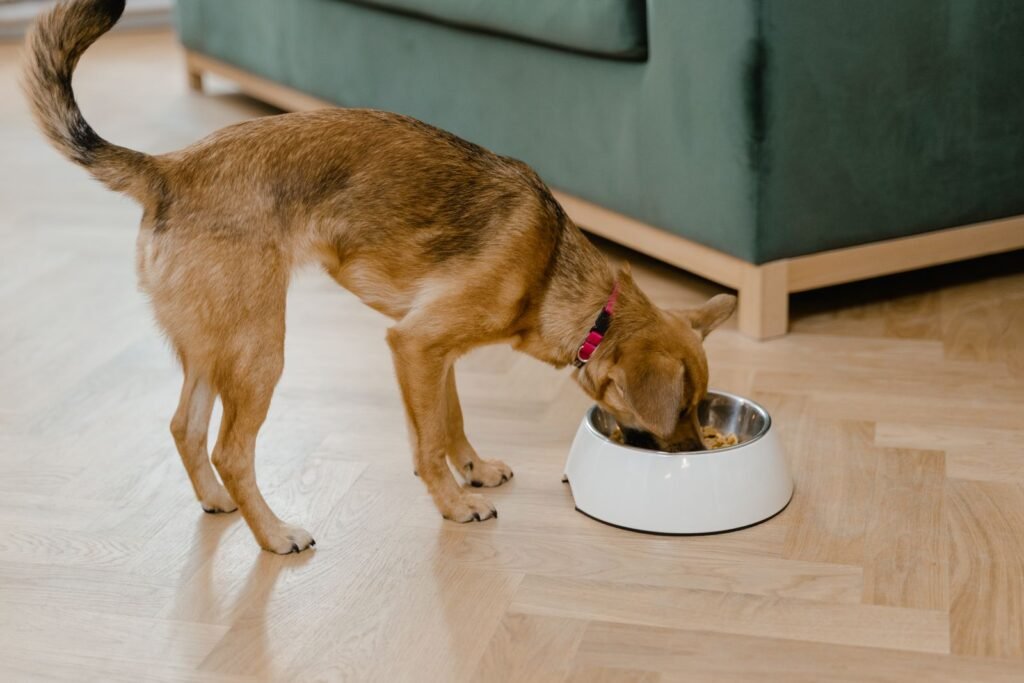
A dog that suddenly refuses food worries every owner — and the first question is always the same: how long can a dog go without eating before it becomes dangerous? The short answer is that a healthy adult dog that is still drinking water can usually survive three to five days without food. But surviving is not the same as being safe. Vets agree you should call your vet after 24 to 48 hours without eating, and much sooner for puppies, senior dogs, or dogs with other symptoms.
This guide gives you the timelines vets actually use, the warning signs that turn a skipped meal into an emergency, the common reasons dogs stop eating, and what you can safely try at home — and what you should never do.
How Long Can a Dog Go Without Eating? The Vet Timelines
There is no single number, because the answer depends on the dog — age, size, health and whether they are still drinking. But the veterinary guidance is consistent across sources:
| Dog | How long without food | When to call the vet |
|---|---|---|
| Healthy adult, bright and drinking | Can survive 3–5 days | After 24–48 hours without eating |
| Puppy under 6 months | 12 hours at most | Same day — do not wait |
| Toy breed (under 10 lb), any age | 12–24 hours | Same day — hypoglycaemia risk |
| Senior dog (7+ years) | 24 hours | Within 24 hours |
| Dog with diabetes, kidney or liver disease, or cancer | One missed meal can matter | Same day, every time |
| Dog after surgery | Usually eating again in 6–24 hours | If still refusing after 24 hours |
After about three to five days without food, a healthy dog’s body starts breaking down protein — muscle — for energy, which can lead to serious complications. That is why the 3–5 day figure is a survival limit, not a waiting period. The practical rule vets repeat is the 24-hour rule: if a healthy adult dog has refused food for more than 24 to 48 hours, call your vet, even if the dog otherwise seems fine.
Water Matters More Than Food
A dog can go far longer without food than without water, and water is the limit that actually becomes dangerous first. A dog that has not drunk anything for a full day can already be dehydrated, and dehydration shows up fast — dry gums, sunken eyes, loss of skin elasticity, and lethargy. If your dog has gone more than 24 hours without drinking, contact your vet right away, whatever the food situation.
The combination is what matters most: a dog refusing both food and water for 24 hours is a same-day vet visit, not a wait-and-see. On the other hand, a dog that skips a meal but is drinking normally, bright and playful is usually fine to watch for a day — just do not let the watching stretch past 48 hours.
Why Some Dogs Have Almost No Margin
Puppies. A puppy under six months has almost no energy reserves. Small-breed puppies can develop hypoglycaemia — dangerously low blood sugar — after as little as 12 hours without food, and it can come on within hours. A puppy that has not eaten for 12 hours, or a toy-breed puppy that seems wobbly, sleepy or glazed-eyed, needs to be seen the same day. Our puppy feeding schedule explains how often young dogs need to eat and why their meals cannot be skipped the way an adult’s can.
Senior dogs. An older dog dehydrates faster, and the list of possible causes in an old dog is longer and more serious — kidney disease, liver disease, cancer, dental pain and cognitive decline all start with appetite loss. If a senior dog stops eating, call the vet within 24 hours. Our senior dog food guide covers how ageing changes a dog’s nutritional needs.
Small and toy breeds. Small dogs burn through calories faster than large ones, and their blood sugar can drop after just a meal or two missed. The same applies to any dog that is already underweight.
Dogs with diabetes or on medication. A diabetic dog that skips a meal while insulin is due is an emergency — call your vet before giving the dose. Many daily medications must be given with food, so a missed meal changes the whole medication plan. Do not guess; call the same day.
Red Flags: When It Is an Emergency, Not a Wait
A skipped meal on its own is rarely an emergency. A skipped meal plus any of the following is — go to the vet today, not tomorrow:
- Retching or heaving without bringing anything up, with a swollen or hard belly. This can be bloat (gastric dilatation-volvulus), a surgical emergency measured in hours, most common in deep-chested breeds like Great Danes, German Shepherds and Standard Poodles.
- Pale, white or yellow gums, or collapse and unwillingness to stand.
- Repeated vomiting or diarrhoea, especially with blood.
- Not drinking either, or vomiting up water.
- Trouble breathing, or a tense abdomen your dog does not want touched.
- Suspected toxin or swallowed object — chocolate, grapes, xylitol, medication, a bone or a toy.
- A puppy, a toy breed, or a dog with a known illness that has stopped eating at all.
If your dog is vomiting or has diarrhoea alongside the appetite loss, vets advise reaching them within 8 to 12 hours rather than waiting out the full day. And if your dog is lethargic as well as off its food — flat, uninterested in walks or play, hard to rouse — that combination is far more likely to mean something systemic, such as infection, pain, pancreatitis or organ disease.
Why Dogs Stop Eating
Appetite loss has dozens of causes, and they split into two broad groups: medical and behavioural. The most common ones vets see are:
- Stomach upset or gastritis. The single most common cause — a mild stomach upset, something rich eaten the day before, or a sudden food change.
- Dental pain. A dog that wants to eat but drops food, chews on one side, or walks away from hard kibble may have a sore tooth or gum disease. This is true anorexia versus pseudo-anorexia: the dog wants to eat but physically cannot.
- Stress or change. Moving house, a new baby or pet, travel, fireworks, a stay at the kennel, or a newly adopted dog settling in — a new rescue may not eat properly for the first day or two.
- Pickiness or boredom. A dog that refuses kibble but happily eats treats is usually not truly ill — but a dog that suddenly becomes picky after years of eating well still deserves a vet check.
- Pain anywhere in the body. Arthritis, an injury, or post-surgery soreness can all suppress appetite.
- Infection, organ disease or obstruction. Kidney or liver disease, pancreatitis, infection, fever, or something swallowed that is blocking the gut. These are the causes that make appetite loss a symptom worth investigating rather than waiting out.
- Medication side effects. Some drugs reduce appetite, especially in the first week of a new prescription.
- Heat. Many dogs eat less in hot weather, which is normal as long as they keep drinking.
The pattern tells you a lot: a dog that is off its food but still bright, drinking and interested in walks is a very different picture from a dog that is off its food and flat. Note what your dog will and will not eat, and for how long — that is exactly what your vet will ask.
What to Try at Home (Only If Your Dog Is Bright and Drinking)
These steps are only for a dog that is alert, drinking water, and has none of the red flags above. If any red flag is present, skip this section and call the vet.
- Offer something bland and tempting. Warm a little wet food slightly — warming it to body temperature releases the smell — or offer plain boiled chicken and rice in small amounts. A spoonful of plain pumpkin can also help settle a mild stomach upset.
- Keep portions small and frequent. A few small meals through the day is easier on a reluctant stomach than one big bowl.
- Stick to the routine. Feed at the usual times, in the usual place, and remove the bowl after about 20 minutes. Do not leave food down all day and do not keep offering new foods every hour — that trains pickiness.
- Make water easy and appealing. Fresh water in a clean bowl, and check the bowl is actually being used. Some dogs drink more from a different bowl or a running tap.
- Cut the extras. Stop treats and table scraps while appetite is low — they fill a small appetite and hide the real picture.
- Reduce stress. A quiet spot to eat, no hovering, and no changes to the household routine if you can help it.
- Check the food itself. Smell it — stale or spoiled kibble, or a new bag from a different batch, is a common and easily missed cause. If you recently changed foods, go back to the old one. Our guide on how to read a dog food label helps you compare foods properly instead of switching blindly.
- Track it. Write down when your dog last ate, what they drank, and any other symptoms. If you end up at the vet, this timeline is the most useful thing you can bring.
What NOT to Do
- Do not force-feed your dog. Forcing food into a dog that will not eat can cause choking or aspiration, and it tells you nothing about why they stopped.
- Do not wait past 48 hours for a healthy adult, or past 12–24 hours for a puppy, senior or sick dog.
- Do not give human medicines or appetite stimulants without your vet. Some human drugs are toxic to dogs, and appetite stimulants are prescription-only for a reason — vets use them after a diagnosis, not instead of one.
- Do not withhold water. A dog that is not eating still needs to drink, and withholding water makes dehydration worse.
- Do not keep switching foods. A new food every meal makes it impossible to tell whether the problem is the food or the dog, and sudden changes can upset the stomach further.
- Do not assume it is just pickiness if the change is sudden, if the dog is also lethargic, vomiting, or losing weight, or if the refusal keeps coming back.
What Happens at the Vet
If you do go in, the vet will start with the history — how long since the last meal, what the dog will and will not eat, drinking, vomiting, stools, energy — then a physical exam, and usually bloodwork and a urine test. That first round separates “worried but stable” from “needs treatment now” and points at the cause: infection, organ trouble, pain, obstruction or dental disease. If home strategies have not restored eating within 48 to 72 hours and an acute problem has been ruled out, vets can also discuss prescription appetite stimulants.
The Bottom Line
A healthy adult dog can go three to five days without food if it keeps drinking water — but you should never wait that long to act. Call your vet after 24 to 48 hours without eating, sooner if your dog is a puppy, a senior, a toy breed, diabetic, or showing any other symptom, and immediately if they have stopped drinking too. One skipped meal in a bright, drinking dog is usually nothing. A dog that will not eat for two days, or a dog that will not eat and will not drink, is a vet visit. When in doubt, involve your vet early — appetite loss is one of the earliest signs that something is wrong, and catching it early is always easier than catching it late.
Frequently Asked Questions
+ How long can a dog go without eating?
A healthy adult dog that is still drinking water can usually survive three to five days without food, but you should call your vet after 24 to 48 hours without eating. Puppies, toy breeds, senior dogs and dogs with health conditions have a much shorter safe window — 12 to 24 hours at most.
+ How long can a dog go without food and water?
Much less time than without food alone. A dog can go up to about three days without both food and water, but dehydration becomes dangerous within 24 hours without water. If your dog has not drunk anything for a full day, contact your vet right away.
+ Can a dog go a day without eating?
Yes. One missed meal in an otherwise bright, playful adult dog that is drinking normally is rarely an emergency. Missing meals can sometimes cause bilious vomiting — yellow bile vomited on an empty stomach — so if it keeps happening, ask your vet.
+ When should I worry if my dog stops eating?
Call your vet after 24 to 48 hours without eating, or immediately if your dog is also vomiting, has diarrhoea, is lethargic, has pale gums, a swollen belly, or has stopped drinking. Puppies, senior dogs and dogs with diabetes or chronic illness should be seen the same day.
+ How long can a puppy go without eating?
No more than 12 hours. Puppies under six months have almost no energy reserves, and small-breed puppies can develop dangerously low blood sugar (hypoglycaemia) within hours. A puppy that has not eaten for 12 hours, or seems wobbly or sleepy, needs to be seen the same day.
+ Why is my dog not eating but drinking water?
This is common and has many causes: mild stomach upset, stress or a change at home, pickiness, dental pain, or early illness. Because the dog is drinking, it is less urgent — but if the appetite does not return within 24 to 48 hours, call your vet.
+ How can I get my dog to eat again?
If your dog is bright, drinking and has no warning signs, try warming wet food slightly, offering plain boiled chicken and rice in small frequent meals, keeping the usual feeding routine, and cutting out treats. Do not force-feed, and do not keep switching foods. If appetite does not return within a day or two, see your vet.
+ How long after surgery will my dog eat?
Most dogs start eating again 6 to 24 hours after surgery, once the anaesthesia has worn off. If your dog is still refusing food after 24 hours, or is vomiting, lethargic or in pain, contact your vet.
Sources
- Adopt-a-Pet — How Long Can a Dog Go Without Eating? (Dr. Alycia Washington, DVM, MS): https://www.adoptapet.com/blog/health/how-long-can-dogs-go-without-eating
- Chewy — Why Is My Dog Not Eating? (Dr. Hsia): https://www.chewy.com/education/dog/food-and-nutrition/why-is-my-dog-not-eating
- PetMD / PetsRadar — How long can a dog go without eating? (Dr. Catherine Barnette, DVM): https://www.petsradar.com/advice/how-long-can-a-dog-go-without-eating
- Rover — Dog Not Eating: When Should You Worry? (Dr. Keith Rode, DVM; Dr. Tim Hunt, DVM): https://www.rover.com/blog/how-long-can-dogs-go-without-eating/
- VetStreet — Dog Stopped Eating: What Veterinarians Recommend (medically reviewed): https://www.vetstreet.com/our-pet-experts/what-veterinarians-recommend-dogs-stop-eating
- VetLens — Dog Not Eating? How Long Is Too Long, and When It’s an Emergency: https://www.vetlens.com/blog/dog-not-eating
- Paoli Vetcare (AAHA-accredited) — Dog Not Eating: When to Worry & What to Do: https://www.paolivet.com/health/dog-not-eating/
- Maven Pet — Dog Not Eating: Causes, Signs & When to Worry (reviewed by Joana Babo, DVM): https://maven.pet/all-about-pets/pet-health/dog-behaviors/dog-not-eating/
- Rescue Dogs 101 — How long can a dog go without eating? (multiple veterinarians surveyed): https://www.rescuedogs101.com/dog-not-eating/
- American Kennel Club — Why Won’t My Dog Eat? https://www.akc.org/expert-advice/health/why-wont-my-dog-eat/