
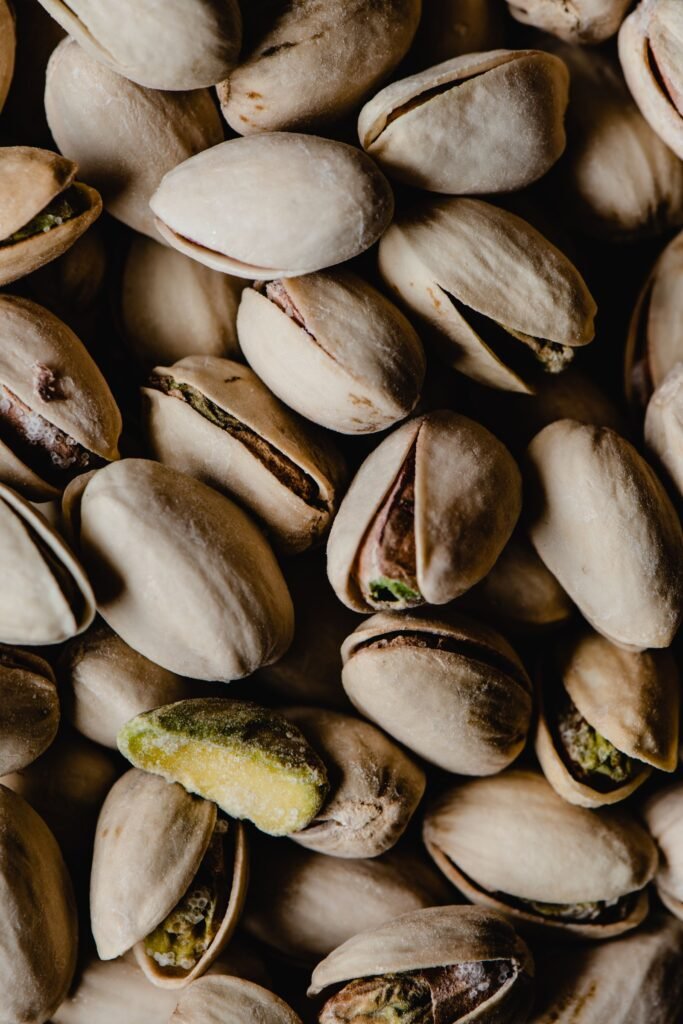
Can dogs have pistachios? Technically, pistachios are not toxic to dogs the way macadamia nuts or grapes are. But vets agree dogs should not eat them — there is no benefit, and the downsides are real.
It is an easy mistake: you are snacking, your dog is watching, and sharing feels harmless. But pistachios pack four risks into one small nut: very high fat, heavy salt, hard shells that can block the gut, and a mould toxin that can damage the liver. One stolen nut is rarely an emergency — but pistachios should never become a treat.
Are Pistachios Toxic to Dogs?
No, pistachios are not listed as toxic to dogs. A dog that steals one or two plain, shelled, unsalted pistachios will usually be fine.
That “not toxic” label misleads a lot of owners, though. The ASPCA’s list of people foods to avoid feeding pets includes foods that cause serious illness through fat, salt or obstruction — not just outright poisons. Pistachios fall squarely into that group, and there is no good reason to feed them.
The 4 Risks of Pistachios for Dogs
These four risks repeat across every major vet source. Any one is reason enough to keep pistachios out of your dog’s bowl.
| Risk | Why it matters |
|---|---|
| High fat | About 45% fat by weight. A primary trigger for pancreatitis, plus obesity and diabetes risk. |
| Salt | Salted and flavoured pistachios carry heavy sodium, causing thirst, tremors and kidney strain. |
| Shells | Hard, sharp and indigestible. A choking hazard, and swallowed shells can block the gut. |
| Aflatoxin (mould) | Aspergillus mould reaches the kernel through the split shell and damages the liver, with no visible mould. |
High fat and pancreatitis. A small handful is a large fat load for a dog, and fatty foods are a best-known trigger of pancreatitis — a painful inflammation of the pancreas. Dogs with a history of pancreatitis should never be given fatty nuts.
Salt and flavourings. Most snacking pistachios are salted, and many are flavoured — garlic, onion, chilli or honey-roasted. A salty snack can cause excessive thirst, vomiting, tremors and kidney strain. Flavoured varieties are worse: garlic and onion powder can damage red blood cells and cause hemolytic anaemia.
Shells. Pistachio shells are the most immediate danger. They are hard, sharp and indigestible, and dogs that gulp food can swallow them whole — causing choking or an intestinal blockage. Never offer pistachios in their shells, and keep bowls of in-shell nuts out of reach.
Aflatoxin and mould. The shell splits open while still on the tree, letting Aspergillus mould reach the kernel. That mould produces aflatoxin, which damages the liver and can be present without any visible mould.
How Many Pistachios Can a Dog Eat?
The honest answer is none, as a rule. PetMD’s guidance is strict: extra-small dogs (2–20 lb) no more than one pistachio, larger dogs only a few at most, never as a habit.
| Dog size | Absolute maximum, occasional only |
|---|---|
| Extra-small (2–20 lb) | 1 pistachio, shelled and unsalted |
| Small (20–40 lb) | 1–2 pistachios, shelled and unsalted |
| Medium (40–60 lb) | 2–3 pistachios, shelled and unsalted |
| Large (60–90 lb) | 3–4 pistachios, shelled and unsalted |
| Giant (over 90 lb) | A few at most, shelled and unsalted |
That table is a damage limit, not a serving suggestion. Pistachios should never be a regular treat, and puppies should skip them entirely. If you want a nut-based treat, our guide on is peanut butter good for dogs covers a far safer option — plain, unsalted, xylitol-free peanut butter in small amounts.
What to Do If Your Dog Ate Pistachios
Stay calm. What you do next depends on how many your dog ate, and whether they had shells, salt or flavourings.
- Check what and how much was eaten. Plain and shelled, or in-shell, salted or flavoured? One or two nuts, or a whole bowl?
- Remove any remaining nuts. Take the bowl away, pick up dropped nuts and shells, and keep your dog away.
- One or two plain, shelled, unsalted nuts: monitor. This is usually not an emergency. Watch for vomiting, diarrhoea, lethargy or loss of appetite over 24 hours.
- A handful or more, in-shell, salted or flavoured: call your vet now. Do not wait for symptoms. Tell the vet how many nuts and whether they had shells.
- Call your vet or ASPCA Animal Poison Control (888-426-4435) if your dog has a pancreatitis history — even a small amount of fatty food can trigger a flare-up. The same applies to puppies, very small dogs, or dogs with kidney or liver disease.
- Watch for blockage signs. Vomiting, loss of appetite, a swollen belly, or unusual lethargy after eating shells can mean an obstruction. Go to the vet immediately.
- Do not induce vomiting at home. Never try to make your dog vomit unless a vet tells you to. In one case reported by a Petco vet, a 20 lb Beagle ate about five pistachios, shell and all — the vet advised inducing vomiting only within two hours and only at the clinic.
Pistachio Ice Cream, Pistachio Butter and Mixed Nuts
Pistachio ice cream is very unhealthy for dogs: the fat of the nuts plus sugar, dairy and flavourings — and many dogs are lactose intolerant. Pistachio butter is no better: concentrated pistachio fat, often with added salt and sugar. Mixed-nut bags are extra risky: they often contain macadamia nuts, which are genuinely toxic to dogs. If your dog gets into a mixed-nut bowl, call your vet or poison control straight away. For a general picture of what is safe, our hub on what human foods dogs can eat lists the common foods in each category.
Safer Treats and the Bottom Line
Dogs do not need pistachios — they need something crunchy, tasty and safe. Good swaps: pieces of carrot or apple (no seeds), blueberries, cooked chicken, or xylitol-free peanut butter. All treats combined should stay under 10% of daily calories.
If your dog begs while you eat pistachios, give it one of its own treats instead. Another nut to check before sharing is the almond: our guide on can dogs eat almonds explains why almonds carry similar fat and choking risks.
Pistachios are not toxic to dogs, but that does not make them safe. They are very high in fat, usually salted, often flavoured with garlic or onion, and their shells can choke or block the gut — while invisible mould can carry a liver-damaging toxin. Do not feed pistachios to your dog, never offer them in the shell, and keep bowls of nuts away from curious noses. If your dog steals one or two plain, shelled nuts, monitor it for a day; if it eats a handful or shells, call your vet or Poison Control right away.
Frequently Asked Questions
+ Are pistachios toxic to dogs?
No, not clinically toxic like macadamia nuts or grapes. But vets agree dogs should not eat them — very high in fat, often salted, and the shells can choke or block the gut.
+ How many pistachios can a dog eat?
As a rule, none. PetMD’s guidance is strict: extra-small dogs (2–20 lb) one pistachio at most, larger dogs only a few, always shelled, plain and unsalted — never as a habit.
+ What should I do if my dog ate pistachios?
One or two plain shelled nuts — monitor for 24 hours. A handful, in-shell, salted or flavoured nuts, or a dog with a pancreatitis history — call your vet or ASPCA Animal Poison Control (888-426-4435) right away.
+ Can dogs eat pistachio shells?
No. Pistachio shells are hard, sharp and indigestible — a choking hazard that can cause an intestinal blockage. Never offer pistachios in their shells.
+ Can puppies eat pistachios?
No. Puppies should skip pistachios entirely — their small bodies handle fat and salt worse, and a shell is a bigger choking risk.
+ Can dogs eat salted pistachios?
No. Salted pistachios carry heavy sodium, which can cause thirst, tremors and kidney strain. Flavoured varieties are worse — garlic and onion powder can cause hemolytic anaemia.
Sources
- PetMD — Can Dogs Eat Pistachios?: https://www.petmd.com/dog/nutrition/can-dogs-eat-pistachios
- ASPCA — People Foods to Avoid Feeding Your Pets: https://www.aspca.org/pet-care/animal-poison-control/people-foods-avoid-feeding-your-pets
- Pet Poison Helpline — Mouldy food and mycotoxins: https://www.petpoisonhelpline.com/
- American Kennel Club — Human foods dogs can and can’t eat: https://www.akc.org/expert-advice/nutrition/human-foods-dogs-can-and-cant-eat/
- U.S. Food & Drug Administration — Aflatoxin guidance: https://www.fda.gov/food/natural-toxins-food/aflatoxins