
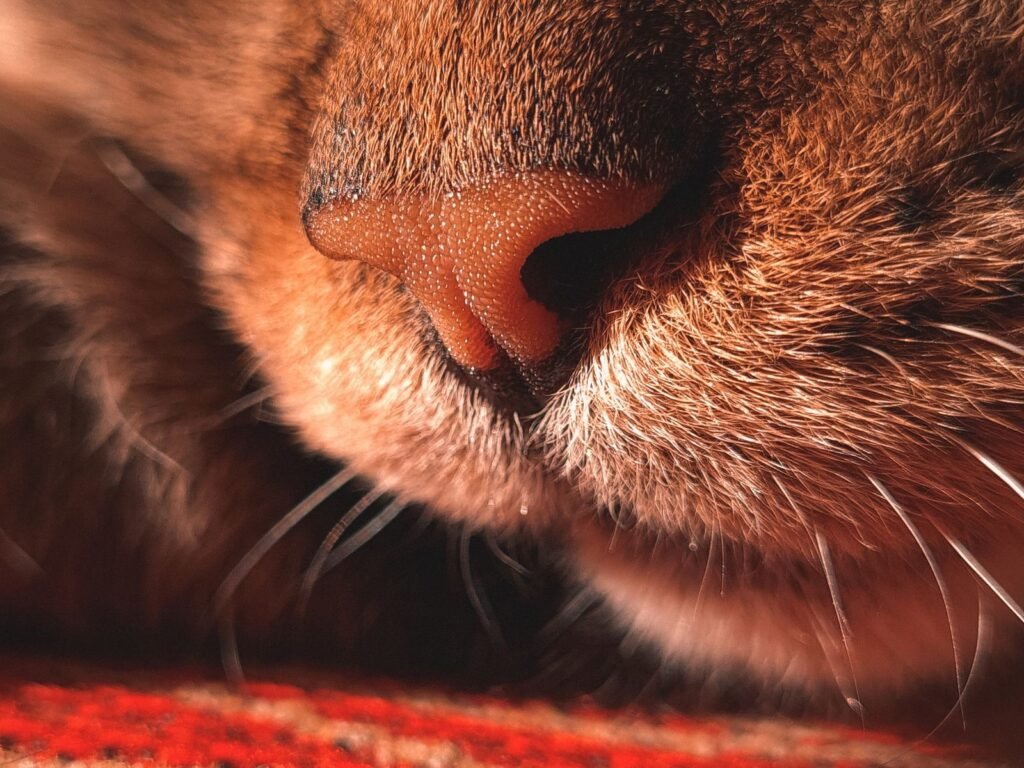
Yes, cats fart. Like humans, dogs and every other mammal, cats pass gas as a normal part of digestion — they just do it far more quietly and far less often than dogs do, which is why many owners never notice it happening.
Most of the time, a little cat gas is nothing to worry about. The question worth asking is not whether your cat farts, but how often, how smelly, and whether anything else has changed. Occasional, mild gas is normal. Frequent, foul-smelling gas — especially with vomiting, diarrhoea or a bloated belly — is your cat’s way of telling you something in the gut needs attention.
Why Do Cats Fart?
A fart is simply gas passing out of the anus, and in cats it comes from two sources: air swallowed while eating or drinking, and gas produced when gut bacteria ferment food in the intestines. Veterinary specialist Nick Cave, who has written about animal flatulence in the textbook Canine and Feline Gastroenterology, puts it plainly: “Cats are farting all the time. They are passing gas.”
So why does it seem like cats never fart? Two reasons. First, cats are grazers that tend to eat slowly, so they swallow less air than a dog gulping down a bowl. Second, cats are obligate carnivores eating a meat-based diet, and meat produces less fermentable material than the fibre-heavy food dogs eat. Less fermentation means less gas — and what gas there is usually escapes silently and with little smell.
Flat-faced breeds such as Persians and Himalayans are the exception. Because they struggle to breathe through their nose, they tend to take in more air, and that extra air has to go somewhere.
What Causes Gas in Cats?
PetMD notes that gas is not actually very common in cats, so when a cat starts farting more than usual, there is usually a reason. The most common causes are:
A sudden food change. This is the number one trigger. Switching your cat’s food overnight — even to a better brand — can upset the gut bacteria and cause gas. PetMD recommends transitioning over 7 to 10 days, mixing the old and new food in gradually increasing amounts.
Food sensitivities and intolerances. Some cats react to a particular protein or ingredient in their food. Many adult cats are also lactose intolerant, because they produce little of the lactase enzyme needed to break down milk — a saucer of milk can mean a gassy evening.
Eating too fast. A cat that inhales meals swallows air along with the food. That trapped air travels through the gut and comes out as gas.
Low-quality food. Cheap kibble packed with fillers such as corn, soy and wheat gives gut bacteria more fermentable material to work with, which means more gas. Spoiled or stale food has the same effect.
Intestinal parasites. Worms and single-celled parasites such as Giardia irritate the gut lining and disturb the bacterial balance, causing gas along with diarrhoea, vomiting, weight loss or a bloated stomach.
Gut conditions. Inflammatory bowel disease (IBD), bacterial or viral gut infections, small intestinal bacterial overgrowth (SIBO) and malabsorption conditions can all cause excessive gas. These are vet-diagnosis conditions, not things to treat at home.
Stress. Anxiety changes how the digestive system works, and some cats pass more gas when stressed — after a move, a new pet in the house, or a vet visit.
Normal Gas vs Gas Worth Worrying About
The difference is pattern, not any single fart. Use this table as a guide:
| Sign | Normal | Worth a vet check |
|---|---|---|
| Frequency | Occasional, a few times a week at most | Several times a day, or multiple times an hour |
| Smell | Mild or none | Strong, lingering, sulphur-like (rotten egg) |
| Sound | Usually silent | Loud or frequent, with straining |
| Belly | Soft and comfortable | Bloated, hard or tender |
| Other symptoms | None — eating, playing and using the litter box normally | Vomiting, diarrhoea, weight loss, lethargy, poor appetite |
No scientific study has measured exactly how often a healthy cat farts, so beware of articles quoting a precise daily number — that figure is a guess, not a fact. What matters is a change from your cat’s own normal.
Why Do Cat Farts Smell So Bad?
When cat farts do smell, the culprit is usually sulphur. Gut bacteria fermenting protein and certain carbohydrates produce hydrogen sulphide and related compounds — the same rotten-egg smell behind human gas. Because cats eat a lot of animal protein, their gas can smell strong even when nothing is wrong.
A sudden change in smell is more informative than the smell itself. If your cat’s gas goes from unnoticeable to room-clearing, look at what changed: a new food, a new treat, table scraps, or something fished out of the bin. If the smell stays bad for more than a few days with no dietary explanation, it may point to a food intolerance or a gut problem, and a vet visit is the right next step.
How to Reduce Your Cat’s Gas
If your cat is otherwise healthy, these steps usually settle things down within a week or so:
- Slow down any food change. Mix the new food in over 7 to 10 days, starting with a small amount and increasing gradually. Never switch cold turkey.
- Slow down fast eaters. A slow-feeder bowl or puzzle feeder makes your cat work for each bite, which cuts down the air swallowed with the meal.
- Check the food quality. Look for a complete, named-protein food with minimal fillers. If you suspect a particular ingredient, ask your vet about a proper elimination diet — do not guess and cut foods out at random.
- Skip the milk and table scraps. Most adult cats cannot digest lactose, and rich human food upsets feline stomachs. Keep treats to a small part of the diet.
- Keep meals and routine steady. Feed at regular times, keep fresh water available, and avoid sudden changes to food, treats or routine all at once.
- Watch, then decide. Note when the gas started, what changed, and whether any other symptoms appear. That record is genuinely useful for your vet.
Do not give your cat human anti-gas medicine, probiotics or digestive remedies without veterinary advice. Products made for people are not automatically safe for cats, and masking the symptom can delay finding the cause.
When to See the Vet
Most cat gas does not need a vet visit. Book one promptly if you notice any of the following:
- Gas that stays frequent or foul-smelling for more than a few days
- A visibly bloated or hard abdomen
- Vomiting or diarrhoea alongside the gas
- Weight loss, poor appetite or lethargy
- Blood in stool or vomit
- Straining, crying or a hunched posture when passing gas
Your vet will usually start with a physical exam and may suggest a faecal test, blood work or a diet trial to find the cause. If your cat is also vomiting, read our guide on what vomiting can mean — gas plus vomiting is a combination worth getting checked sooner rather than later.
The Bottom Line
Cats do fart — quietly, infrequently, and usually without anyone noticing. That is normal. What is not normal is a sudden increase in frequency or smell, gas that lasts more than a few days, or gas paired with vomiting, diarrhoea, bloating or weight loss. In those cases the gas is a symptom, not the problem, and your vet is the right person to find the cause. And if your cat’s gas comes with an unusual smell that lingers, our guide on why your cat smells bad covers the other odours worth investigating.
Frequently Asked Questions
+ Do cats fart?
Yes. Cats pass gas like any other mammal, from swallowed air and bacterial fermentation in the gut. It is usually silent and infrequent, which is why owners rarely notice it.
+ Why does my cat fart so much?
The most common reason is a diet change — especially a sudden one without a 7- to 10-day transition. Other causes include food sensitivities, eating too fast, low-quality food with fillers, intestinal parasites, and gut conditions such as IBD. If it lasts more than a few days, consult a vet.
+ Why do my cat’s farts stink?
Gut bacteria fermenting protein produce sulphur compounds such as hydrogen sulphide, which smells like rotten eggs. Because cats eat a protein-rich diet, some smell is normal — but a sudden change to very foul gas can signal a food intolerance or a gut problem.
+ Is it normal for cats to fart?
Yes, occasional mild gas is completely normal. What is not normal is frequent gas, very smelly gas, or gas paired with vomiting, diarrhoea, bloating, weight loss or lethargy — those signs warrant a vet visit.
+ How often do cats fart?
No scientific study has measured exact frequency, so any precise daily number you see online is a guess. Healthy cats pass gas occasionally — a few times a week at most — and usually silently. A sudden increase from your cat’s own normal is what matters.
+ Do cats fart when scared?
They can. Stress and fear affect the digestive system, and some cats pass gas when anxious or frightened — for example after a move, a loud noise, or a vet visit. Occasional stress-related gas is normal, but frequent gas with other symptoms still deserves a vet check.
Sources
- PetMD — Do Cats Fart?: https://www.petmd.com/cat/general-health/do-cats-fart
- Scientific American — Do cats fart? An investigation into the mysteries of feline flatulence: https://www.scientificamerican.com/article/do-cats-fart-an-investigation-into-the-mysteries-of-feline-flatulence/
- EveryPaw — Do Cats Fart?: https://www.everypaw.com/all-things-pet/do-cats-fart
- VCA Animal Hospitals — Vomiting in Cats: https://www.vcahospitals.com/know-your-pet/vomiting-in-cats