
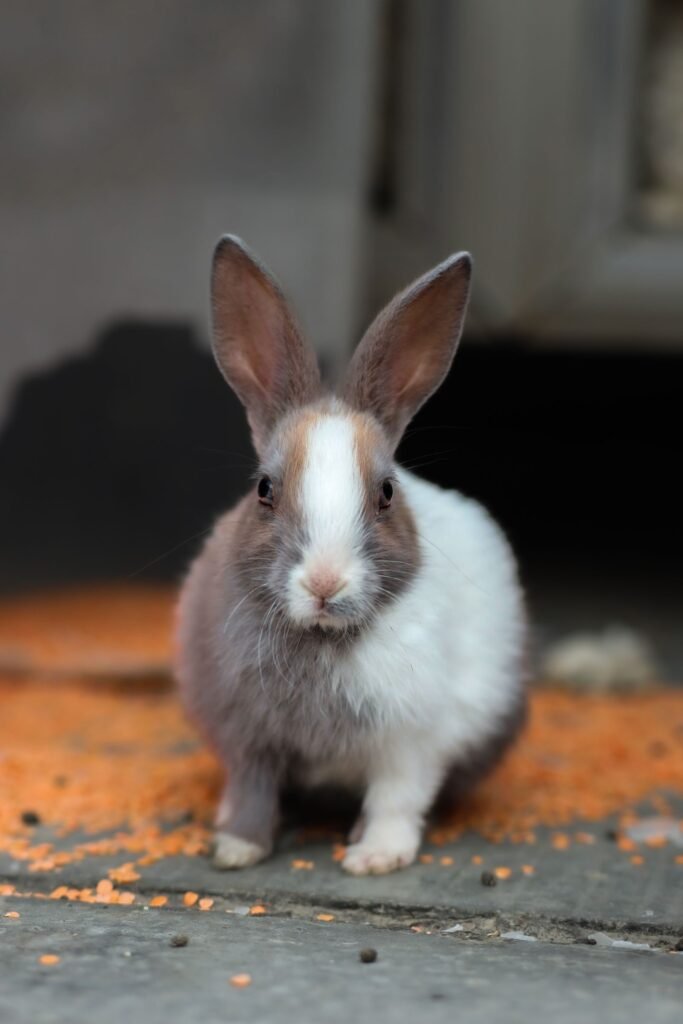
Yes — rabbits can be litter trained, and most take to it far more easily than new owners expect. Rabbits are naturally clean: left to themselves, they choose one or two corners as a toilet and keep the rest of their space tidy. Training is mostly about working with that instinct, not against it.
Here is the rule most guides skip: your rabbit picks the toilet spot — you put the box there. Watch where your rabbit already goes, then place the litter box in that exact corner. Get this right and the rest is mostly patience.
Why Litter Training a Rabbit Works
Rabbits, like cats, happily use a litter box placed where they would naturally go — usually a corner. Urine training is little more than putting a box where your rabbit already goes. Droppings take longer, as rabbits scatter them, but most land in the box once the habit forms.
A litter-trained rabbit gets far more freedom: safe free-roam time, more exercise, and more time with you. That is why the House Rabbit Society calls the litter box “your bunny’s passport to freedom” — worth doing properly, and patiently.
What You Need Before You Start
- One large litter box. A standard cat litter pan beats the tiny triangular “corner pans” sold for rabbits — at least double your rabbit’s size, so your bunny can sit, turn, and eat hay inside it. See our guide to the rabbit litter box.
- Paper-based litter — recycled paper pellets or paper bedding are safest; aspen shavings and kiln-dried wood pellets also work.
- Fresh hay — timothy or orchard, a generous handful for the box daily.
- White vinegar and water for cleaning accidents.
- Small healthy treats for rewarding — a tiny piece of strawberry works well (see can rabbits eat strawberries).
- Newspaper to line the bottom of the box.
How to Litter Train a Rabbit: Step by Step
- Watch first, place second. For a day or two, watch where your rabbit urinates. Most pick one corner — that corner is where the box goes, not the one you prefer. Two corners means two boxes.
- Choose a large cat pan. Skip the tiny corner pans. A large, low-sided pan lets your rabbit sit fully inside it — rabbits that can stretch out use the box far more reliably. A hooded pan helps if your rabbit kicks litter out.
- Fill it with paper-based litter only. Line the box with newspaper, add 1–2 inches of paper-based litter, and top it with hay. Never use clumping clay cat litter — rabbits nibble their litter, and it can block the intestines if swallowed. Avoid pine and cedar shavings (their aromatic oils are thought to cause liver damage) and scented litters, which rabbits avoid.
- Put hay in and near the box. Rabbits eat and go at the same time. Place a generous handful of hay directly in the box, or hang a hay rack right above it — a rabbit that settles in to munch will use the box while it eats.
- Place the box in your rabbit’s chosen corner. Put the box exactly where your rabbit has been going, with a few of its own droppings inside — rabbits return to a spot that smells like them.
- Start small. Keep your rabbit in its enclosure or a small exercise pen until it uses the box reliably — usually at least a week. A small space means fewer accidents, and every success builds the habit. Then expand gradually.
- Clean accidents with vinegar water, never ammonia. If your rabbit goes outside the box, soak up the urine and wipe the spot with diluted white vinegar. Never use ammonia-based cleaners: ammonia smells like urine and draws a rabbit back to the same spot. Tuck the urine-soaked towel into the box — it transfers the scent and marks the toilet.
- Reward, never scold. When you catch your rabbit using the box, praise it calmly and offer a small treat. If you catch it about to go elsewhere, gently herd it back to the box. Never scold or punish an accident — rabbits do not learn from punishment.
Once your rabbit uses the box reliably in its enclosure, add a second box in the free-roam room — rabbits need a box within easy hopping distance, or they will pick a new corner.
The Best Litter for Rabbits
Litter matters more than the box — rabbits nibble and sit in it all day:
| Litter | Safe for rabbits? | Notes |
|---|---|---|
| Paper-based pellets / recycled paper bedding | Yes — best choice | Absorbent, dust-free, safe if nibbled |
| Aspen shavings | Yes | A safe hardwood shaving |
| Compressed wood pellets (kiln-dried) | Yes | Very absorbent; top with hay |
| Hay | Yes, as a top layer | Rabbits eat while they go; use over litter |
| Clumping clay cat litter | No | Can block the intestines if nibbled |
| Pine or cedar shavings | No | Aromatic softwood oils may harm the liver |
| Scented or silica crystal litter | No | Strong smells put rabbits off the box |
How Long Does It Take to Litter Train a Rabbit?
Most rabbits start using the litter box within 1–2 weeks, but reliable habits — using the box almost every time, including during free-roam — usually take several weeks. The House Rabbit Society notes good habits may take several weeks or months, depending on maturity.
Adults are easier to train than babies, and spayed or neutered rabbits far easier than unaltered ones. Rabbits under 4–6 months are still developing bladder control and are driven by hormones to mark territory, so expect slower progress. Improving week by week means you are on track.
Can Rabbits Be Fully Litter Trained?
Almost — but not 100%. Most litter-trained rabbits are reliable with urine, which matters most for a clean house. Droppings are another story: the House Rabbit Society is clear rabbits will never have 100% perfect litter habits, and a rabbit may drop a stray pellet here and there, especially in its safe zone.
That is normal rabbit behaviour, not failed training. A healthy rabbit passes droppings very frequently, so a few stray pellets are part of living with a rabbit — dry, odourless, and easy to sweep up. If your rabbit’s urine is consistently in the box, the training has worked.
Why Is My Rabbit Peeing Next to the Litter Box?
Peeing right beside the box is the most common complaint — and it almost always has a fix:
- The box is in the wrong corner — move it to where your rabbit actually goes.
- The box is too small — a rabbit that cannot sit fully inside it will perch on the edge and miss.
- The box is dirty — rabbits avoid a soiled box. Spot-clean daily and dump it every 2–3 days.
- The litter is wrong — clumping clay, pine, cedar, or scented litter can make a rabbit avoid the box entirely.
- Your rabbit is not spayed or neutered — unaltered rabbits mark territory with urine, especially from 4–6 months old.
- A medical problem — if a previously reliable rabbit suddenly stops using the box, strains, or has blood in its urine, see a vet promptly.
Do Spayed or Neutered Rabbits Litter Train Better?
Yes — noticeably. From 4–6 months old, hormones drive rabbits to mark territory with urine and droppings. Spaying or neutering removes most of that drive: neutered males stop spraying, and both sexes become much easier — and much more reliably — litter trained. The House Rabbit Society puts it plainly: neutering and spaying improve litter box habits.
If your rabbit is over 6 months old, still intact, and struggling, talk to a rabbit-savvy vet about spaying or neutering — it also lowers the risk of reproductive cancers.
Common Litter Training Mistakes to Avoid
- A tiny corner pan — rabbits outgrow them fast and stop using them.
- Clumping clay, pine, or cedar litter — unsafe, and a common reason rabbits avoid the box.
- Ammonia cleaners on accidents — they smell like urine and invite a repeat.
- Too much space too soon — it creates new toilet corners before the habit is solid.
- Scolding accidents — it teaches fear, not toilet habits.
- Expecting perfection in a week — weeks, not days, and a few stray pellets forever.
Litter training a rabbit is one of the easiest wins in rabbit care: a big box with safe litter and fresh hay in the corner your rabbit chose, a small space until the habit sticks, vinegar for accidents, and patience for a few weeks.
Frequently Asked Questions
+ How long does it take to litter train a rabbit?
Most rabbits start using the litter box within 1–2 weeks, but reliable habits usually take several weeks, and the House Rabbit Society notes it can take several weeks or months depending on the rabbit’s maturity. Adult, spayed or neutered rabbits learn fastest; babies under 4–6 months take longer.
+ Can rabbits be fully litter trained?
Almost. Most litter-trained rabbits are reliable with urine, which is what matters most for a clean house. But the House Rabbit Society notes rabbits will never have 100% perfect litter habits — a few stray droppings around their space are normal, especially in areas they consider their safe zone.
+ What is the best litter for rabbits?
Paper-based litter (recycled paper pellets or paper bedding) is the safest and best choice, topped with fresh hay. Aspen shavings and kiln-dried compressed wood pellets are also safe. Never use clumping clay cat litter, which can block the intestines if nibbled, or pine and cedar shavings, whose oils may harm the liver.
+ Why is my rabbit not using the litter box?
The most common reasons are the box being in the wrong corner (put it where your rabbit already goes), a box that is too small, a dirty box, or the wrong litter. Unaltered rabbits also mark territory, so spaying or neutering usually helps a lot. If a previously reliable rabbit suddenly stops using the box, consult a vet — it can signal a urinary problem.
+ Do spayed rabbits litter train better?
Yes. Spaying or neutering removes most of the hormone-driven urge to mark territory with urine, so altered rabbits are much easier — and much more reliably — litter trained than unaltered ones. The House Rabbit Society states that neutering and spaying improve litter box habits.
Sources
- House Rabbit Society — Litter Box Training: https://houserabbit.org/littertraining
- San Diego House Rabbit Society — Litter Box Training Tips: https://sandiegorabbits.org/education/litter-box-training-tips
- Rabbit Resource — Rabbit Litter: https://rabbitresource.org/rabbit-care-information-and-resources/housing/rabbit-litter/
- House Rabbit Society: https://rabbit.org/
Litter training is part of the bigger picture — our rabbit care guide covers housing, diet, daily routine, and the rookie mistakes to avoid.
Pingback: Rabbit Care Guide: Housing, Diet & Health for Beginners
Pingback: Rabbit litter box: Complete Guide, Facts & Care Tips - PawMeridian