
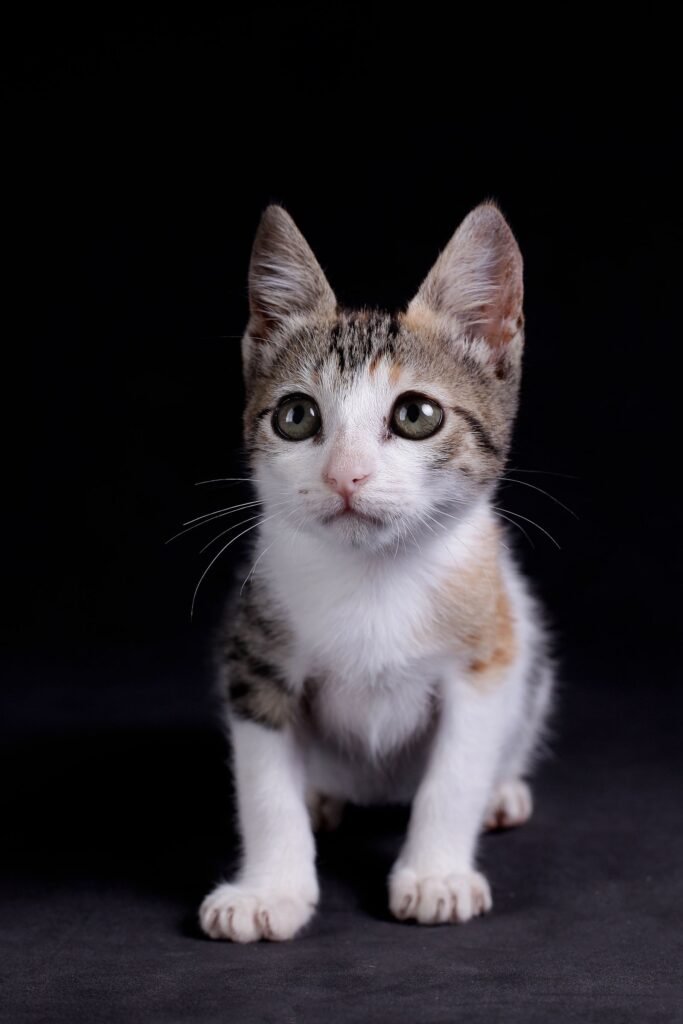
A 3 month old kitten is in the middle of the fastest growth spurt of its life. It is fully weaned, eating solid food, using a litter box, and learning the world through play — but it still needs frequent meals, short alone-time, and a vet visit or two.
What to Expect from a 3 Month Old Kitten
At three months, kittens are in the juvenile stage (about 9 weeks to 6 months). Growth is rapid, appetite is big, and energy is almost constant. Your kitten will run, climb, pounce, and wrestle with toys — and then crash into a long sleep. Kittens sleep most of the day.
Play is not just fun at this age — it is how kittens learn. Pouncing, chasing, and gentle play-fighting teach coordination and bite control. The main socialization window (roughly 2 to 7 weeks) has passed, but a 3 month old kitten is still very open to new people, sounds, and gentle handling.
3 Month Old Kitten Milestones
| Area | What is normal at 3 months |
|---|---|
| Size and weight | Roughly 3 pounds (about 1.4 kg); steady weekly gain matters more than any single number |
| Teeth | Baby teeth all in; adult teeth start coming in around 3 to 4 months |
| Eating | Fully weaned onto solid kitten food, 3 to 4 measured meals a day |
| Litter box | Using the box reliably; still needs a low-sided box it can climb into easily |
| Play | Climbing, pouncing, chasing, and play-fighting daily |
| Sleep | Long naps, often 16–20 hours total |
| Social skills | Comfortable with people and handling if socialized; still learning bite control |
| Vet care | A vaccine booster is usually due; deworming continues per your vet’s plan |
If your kitten is not gaining weight week to week, ask your vet rather than guessing.
What Should a 3 Month Old Kitten Eat?
A 3 month old kitten should eat food made for kittens, not adult cat food. Kitten food is higher in calories, protein, and the nutrients growing bodies need, and it should be labelled complete and balanced — in the US, look for an AAFCO statement on the pack. A mix of wet and dry kitten food works well.
Do not give cow’s milk. Kittens are often lactose intolerant once weaned, and milk can cause diarrhoea. Fresh water in a shallow bowl, changed daily, is all they need to drink. Our kitten food guide explains how to choose a good kitten food and what to look for on the label.
Switch foods slowly if you change brands: mix a little of the new food into the old over 7 to 10 days.
How Much Should a 3 Month Old Kitten Eat?
There is no single amount for every kitten — it depends on the food and the kitten’s size and activity. As a starting point, most feeding guides suggest about half a cup of food per kilogram of body weight per day for kittens between 1 and 5 months, split across the day’s meals. Always check the feeding guide on your food’s packaging.
Feed 3 to 4 measured meals a day at this age. Kittens under 4 months need far more calories per kilogram than adult cats, which is why frequent small meals work better than one or two big ones.
| Meal | Example schedule |
|---|---|
| Breakfast | Morning — wet kitten food |
| Midday | Small meal of wet or dry kitten food |
| Afternoon | Small meal |
| Evening | Evening meal — wet or dry kitten food |
Leave fresh water out all day. If your kitten eats everything in seconds and still begs, or leaves food uneaten most meals, mention it at the next vet visit.
How Much Should a 3 Month Old Kitten Weigh?
A rough rule of thumb is that a kitten weighs about its age in months in pounds — so a 3 month old kitten averages around 3 pounds (about 1.4 kg). This is only a guide: breed and litter size shift it.
What matters most is the trend. Weigh your kitten weekly on kitchen scales and note the number. Steady, gradual gain is healthy. Weight that stalls for two weeks, drops, or comes with less eating or energy is a reason to call your vet.
Litter Training at 3 Months
Most 3 month old kittens already use a litter box — the habit usually appears by 3 to 4 weeks of age. Your job is to make the box easy and appealing: use a low-sided box in a quiet spot, and scoop daily.
The rule is one box per cat, plus one extra. For a single kitten, that means two boxes in different spots. If your kitten is under 8 to 10 weeks old, avoid clumping litter — young kittens may swallow it while grooming.
Play, Grooming, and Handling
Play with your kitten every day in short bursts — a feather wand, a crinkly ball, or a cardboard box is enough. Avoid using your hands as toys, and redirect biting to a toy.
Start gentle grooming now so it becomes normal. A soft brush once or twice a week removes loose fur and gets your kitten used to being handled — our how to groom a cat guide covers the basics for cats of any age.
Vet Visits and Vaccinations at 3 Months
Core kitten vaccinations start at 6 to 8 weeks and repeat every 3 to 4 weeks until about 16 weeks old. That means a 3 month old kitten is normally due a booster at this age — check your kitten’s vaccination record and book the visit if one is due. Your vet will also check weight, teeth, and general health, and continue the deworming schedule that starts from about 2 weeks of age. If you also have a puppy at home, our puppy vaccine schedule guide explains how the two timings compare.
When Should I Spay or Neuter My Kitten?
Most vets recommend spaying or neutering at around 4 to 6 months of age, and many kittens are done by about 5 months. Your vet may suggest a specific time based on your kitten’s size and health, so raise it at the 3-month visit.
Can a 3 Month Old Kitten Be Left Alone?
Not for long. Kittens under 4 months should not be left alone for more than about 4 hours at a time — they need frequent meals, play, and company, and they can get into trouble quickly in an empty house. If you work full days, arrange for someone to check in midday, or keep the kitten in one safe, kitten-proofed room with food, water, a litter box, and toys while you are out.
Frequently Asked Questions
+ What should a 3 month old kitten eat?
Kitten food labelled complete and balanced, ideally a mix of wet and dry, fed as 3 to 4 measured meals a day. Never give cow’s milk — kittens are often lactose intolerant once weaned — and keep fresh water available at all times.
+ How much should a 3 month old kitten weigh?
Roughly 3 pounds (about 1.4 kg) is a typical guide, following the rule of thumb that a kitten weighs about its age in months in pounds. Steady weekly weight gain matters more than any single number — if growth stalls, ask your vet.
+ When do kittens get their first vaccinations?
Core vaccinations usually start at 6 to 8 weeks and are repeated every 3 to 4 weeks until the kitten is about 16 weeks old, so a 3 month old kitten is normally due a booster. Your vet will confirm the exact schedule.
+ Can a 3 month old kitten be left alone?
Only for a few hours at a time — kittens under 4 months should not be left alone for more than about 4 hours. They need frequent meals, play, and supervision, so arrange a midday check-in if you are out all day.
+ When should I spay or neuter my kitten?
Most vets recommend spaying or neutering at around 4 to 6 months of age. Ask your vet at the 3-month visit for the best timing for your kitten’s size, health, and breed.
Sources
- Cornell Feline Health Center — Feeding Your Cat: https://www.vet.cornell.edu/departments-centers-and-institutes/cornell-feline-health-center/health-information/feline-health-topics/feeding-your-cat
- International Cat Care — Kitten Care: https://icatcare.org/advice/kitten-care/
A few weeks earlier, the big change is weaning — see 5 week old kitten for the feeding amounts, first solid food, and litter-training steps for that age.
Pingback: Kitten food: Best Options, Guide & Buying Tips - PawMeridian
Pingback: How to Stop a Cat from Chewing on Wires