
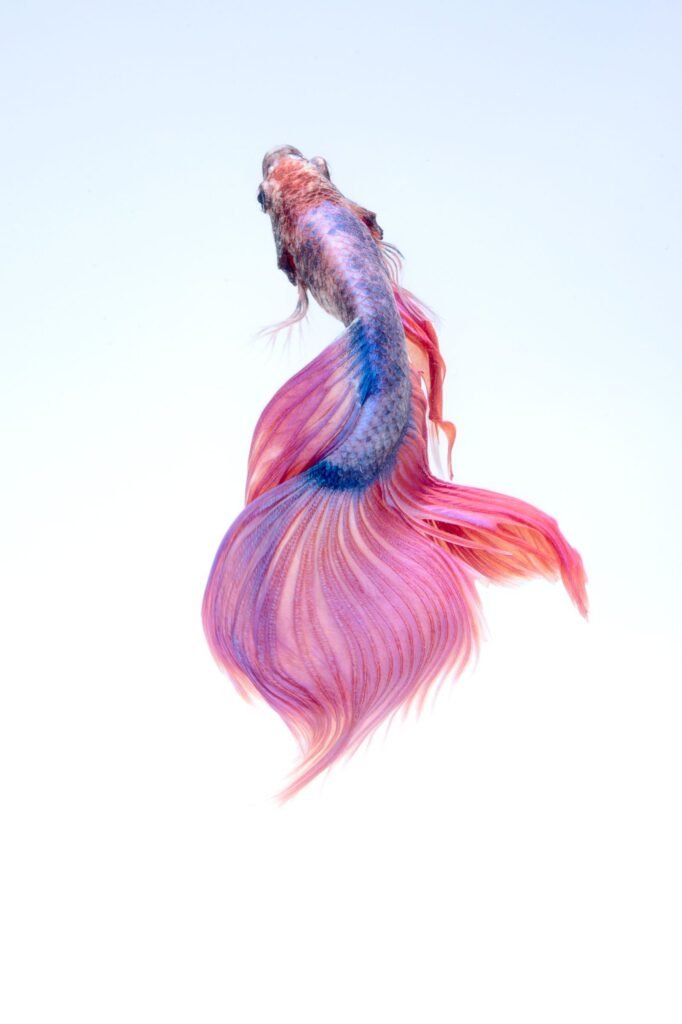
Choosing betta tank mates is one of the most asked-about topics in fishkeeping, and for good reason. Bettas are beautiful, but male bettas are famously territorial, and one wrong tank mate can turn a peaceful aquarium stressful fast. The good news: bettas can live with other fish, snails, and shrimp — but only under the right conditions.
Here is the honest starting point. Male bettas must live alone as a rule when it comes to other bettas. Two male bettas will fight, sometimes to the death, and should never share a tank. But a single male betta can share a large enough tank with peaceful, non-fin-nipping species that do not look like rival bettas. And just as importantly, bettas never NEED companions. A single betta in a well-kept, heated, planted tank is a complete setup, not a lonely one.
Can Betta Fish Live With Other Fish?
Yes, betta fish can live with other fish, but the setup has to be right. Three rules matter most: tank size, temperament, and appearance.
First, tank size. A single betta needs at least 5 gallons of heated, filtered water. Add tank mates, and the minimum jumps to 10 gallons. Smaller tanks do not give fish room to escape each other’s sightlines, and water quality crashes faster with more animals producing waste. A 3-gallon tank cannot hold tank mates, no matter how small the other fish are.
Second, temperament. Good betta tank mates are peaceful, calm, and not fin-nippers. They stay out of the betta’s way and do not chase or harass it. Barbs, serpae tetras, and other nippy species are a bad idea because they will tear at a betta’s long fins.
Third, appearance. Brightly colored, long-finned fish can trigger a male betta’s aggression because they look like rival males. That is why male guppies with big flowing tails are risky, while duller, smaller fish are usually safer.
Best Tank Mates for a Male Betta
These are the species most keepers and care guides agree on. All of them need the same warm, gentle conditions a betta does: heated water at 76-80°F, a gentle filter with slow current, and plenty of plants and hiding places.
| Tank mate | Minimum tank size | Why it usually works |
|---|---|---|
| Corydoras catfish (pygmy or bronze) | 10 gallons | Peaceful bottom dwellers that ignore the betta and stay out of its swimming space |
| Neon tetras | 10 gallons | Small, fast, and calm in a school of 6+; keep the group large so they feel secure |
| Ember tetras | 10 gallons | Tiny, quiet, and dull-colored, so they rarely trigger aggression |
| Harlequin rasboras | 10 gallons | Gentle schoolers that occupy the middle of the tank and mind their own business |
| Kuhli loaches | 10 gallons | Shy bottom dwellers that hide during the day and come out at night |
| Nerite or mystery snails | 5-10 gallons | The lowest-risk option; snails do not compete with the betta at all |
| Ghost or Amano shrimp | 10 gallons | Useful cleaners, but a bold betta may eat small shrimp, so expect some losses |
| African dwarf frogs | 10 gallons | Peaceful and slow-moving, though they need easy access to the surface to breathe |
Snails deserve a special mention. If you want a tank mate but are nervous about fish, a snail is the safest first step. A nerite snail eats algae, ignores the betta completely, and cannot be chased the way a fish can. Many keepers ask whether a snail counts as a mate — yes, it does, and it is the lowest-risk option available. It still needs the same heated, filtered water, though. A snail is not a decoration; it is a living animal with its own needs.
Betta Fish Tank Mates in a 10 Gallon Tank
A 10 gallon tank is the practical minimum for a betta community, and it works best with a small, simple stocking plan: one betta plus one small group, not several groups at once. Good combinations include 1 betta + 6 neon or ember tetras + 1 nerite snail, or 1 betta + 4-6 pygmy corydoras + 1 mystery snail, or 1 betta + 6 harlequin rasboras + a few Amano shrimp.
Do not overstock. More fish means more waste, more competition for space, and more chances of conflict. In a 10 gallon tank, the betta plus one small school plus a snail or two is a full tank. If you want a bigger community, go to 20 gallons, where everyone has real room to spread out.
Fish to Avoid With Bettas
Just as important as the good list is the avoid list. Never keep these with a betta:
- Another male betta. They will fight. No exceptions.
- Fin-nippers. Tiger barbs, serpae tetras, and black skirt tetras will shred a betta’s fins.
- Bright, long-finned fish. Fancy male guppies, and any fish that looks like a rival betta, invite aggression.
- Aggressive or territorial fish. Cichlids, gouramis, and other territorial species will fight the betta for space.
- Goldfish and other coldwater fish. Goldfish need cold water and huge tanks, and they produce far too much waste for a betta setup. Our goldfish tank size guide explains just how much room goldfish really need.
- Large or fast, boisterous fish. Anything big enough to bully the betta or outcompete it for food is a bad match.
Do Bettas Need a Heater and Filter?
Yes. This is not optional, and it applies whether your betta lives alone or with tank mates. Bettas are tropical fish. Their water should stay at 76-80°F, which in most homes requires a heater — room temperature is usually too cold and fluctuates too much. Cold water weakens a betta’s immune system and makes it sluggish and prone to illness.
A filter is also essential. It removes waste, keeps ammonia down, and keeps the water oxygenated. The one catch: bettas dislike strong current because their long fins make swimming hard work. Choose a gentle filter, such as a sponge filter or a hang-on-back filter with the flow turned down, and add plants or decor to break up the current. Bettas also jump, so a lid is a must.
Feeding matters in a community tank too. Bettas are enthusiastic eaters and may steal food meant for their tank mates, so feed in more than one spot and watch that the other fish actually get their share. Our guide to how often to feed a betta fish covers portion sizes and feeding schedules in detail.
How to Introduce Tank Mates to a Betta: Step by Step
Adding tank mates the right way gives the combination the best chance of working. Rushing it is the most common reason a community betta setup fails.
- Set up the tank first. Make sure the tank is cycled, heated to 76-80°F, and has plants, caves, and hiding spots before any fish go in. Hiding places let every fish escape the betta’s line of sight.
- Add the tank mates before the betta, if possible. When the betta arrives last, it does not already own the whole tank, so it is less likely to treat newcomers as intruders. If the betta is already in the tank, rearrange some decor first to break up its established territory.
- Float and drip-acclimate the newcomers. Float the bag for 15-20 minutes to equalize temperature, then add small amounts of tank water over 20-30 minutes before releasing them.
- Dim the lights and watch closely. Keep the lights low for the first few hours and watch for chasing, flaring, or nipping. Some curiosity and flaring is normal; sustained chasing is not.
- Have a backup plan ready. Keep a spare tank, or at least a breeder box, ready before you start. If the betta will not stop chasing, or a fish is getting injured, separate them immediately.
- Check in daily for the first two weeks. Aggression can appear days after the introduction. Torn fins, fish that never come out of hiding, or a betta that guards one spot constantly are all warning signs.
If it does not work, that is not a failure. Some bettas simply will not tolerate tank mates, no matter how perfect the setup is. Individual temperament varies a lot. A betta that lives happily alone is not missing out — remember, bettas never need companions.
Frequently Asked Questions
+ Can betta fish live with other fish?
Yes, in a tank of 10 gallons or more, a single betta can live with peaceful, non-fin-nipping fish such as corydoras, neon tetras, harlequin rasboras, and kuhli loaches, plus snails and shrimp. Two male bettas must never share a tank.
+ What fish can live with a betta?
The safest fish are peaceful schoolers that stay small and dull-colored: corydoras catfish, neon and ember tetras, harlequin rasboras, and kuhli loaches. Nerite and mystery snails and Amano or ghost shrimp are also good options.
+ How big a tank do betta tank mates need?
At least 10 gallons for a betta plus any fish tank mates. A single betta alone needs a minimum of 5 gallons. A 3-gallon tank cannot hold tank mates. A 20 gallon tank gives a community much more room and is a better choice for larger groups.
+ Do bettas need a heater and filter?
Yes. Bettas are tropical fish and need heated water at 76-80°F, plus a filter to keep the water clean. The filter flow should be gentle, since bettas struggle in strong current, and the tank needs a lid because bettas jump.
+ Can two male bettas live together?
No. Two male bettas will fight, sometimes to the death, and must never be kept in the same tank. Male bettas must live alone as a rule when it comes to other bettas, even though they can share a large tank with other peaceful species.
+ Do bettas need tank mates?
No. Bettas never need companions. A single betta in a heated, filtered, planted tank is a complete and happy setup. Tank mates are optional enrichment for the keeper, not a requirement for the fish.
Sources
- Wikipedia — Siamese fighting fish: https://en.wikipedia.org/wiki/Siamese_fighting_fish
- Aqueon — The Ultimate Guide to Betta Fish: https://www.aqueon.com/articles/the-ultimate-guide-to-betta-fish
Pingback: Betta Fish Names: 150+ Cute, Funny & Cool Ideas