
Can Dogs Eat Rice? Safety, Benefits & Risks Explained
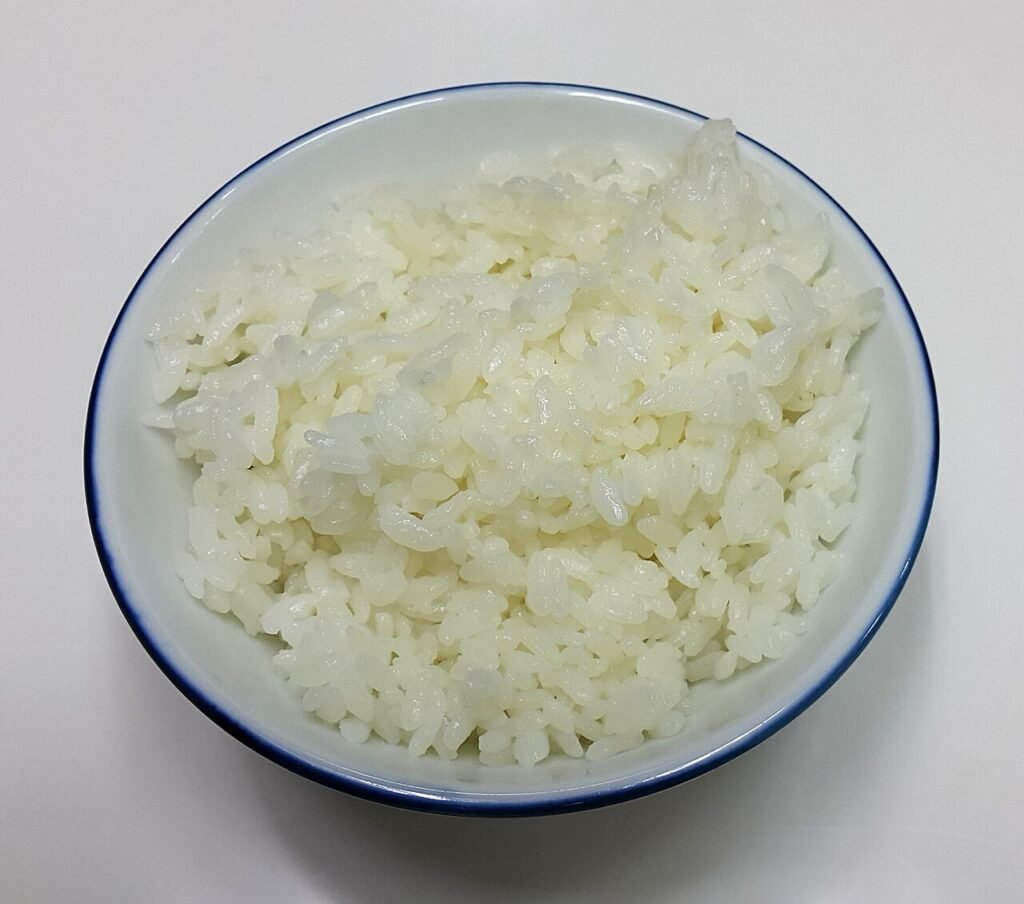
Yes — dogs can safely eat rice in moderation, as long as it is plain and cooked. White rice and brown rice are both fine for most healthy dogs, and white rice is the food vets most often recommend for a dog with an upset stomach. The rules are simple: no seasoning, no butter or oil, and only a small portion as an occasional extra.
If your dog is eyeing your dinner plate, a spoonful of plain cooked rice is one of the safer things you can share — just make sure it comes from a plain pot of rice, not a seasoned dish like fried rice.
Is Rice Good for Dogs?
Rice is good for dogs in small amounts. It is nontoxic, bland, low in fat, and easy to digest, which is why veterinarians often include it in a bland diet for dogs with stomach trouble. According to PetMD, plain rice can help settle a mild stomach upset: its fiber supports stool formation, while its starch helps bind loose stool and make it firmer.
Rice also contains small amounts of B vitamins and minerals, but it is not a necessary part of a dog’s diet. A complete and balanced dog food already provides everything your dog needs. Think of rice as a useful extra — a gentle food for a queasy stomach or a small treat.
White Rice vs Brown Rice
Both are safe for healthy dogs, but they are not identical. White rice has had its outer coat removed, so it is lower in fiber and easier to digest. That is why vets reach for white rice first when a dog has diarrhea or vomiting — it is gentle, quick to prepare, and well tolerated.
Brown rice keeps its outer coat, so it has more fiber and nutrients — but it is harder to digest, and the American Kennel Club notes it is never prescribed for dogs with gastrointestinal problems. For a healthy dog, either type is fine. White rice also has a higher glycemic index than brown rice, so it raises blood sugar more quickly — something that matters if your dog has diabetes, covered below.
The Risks of Feeding Rice to Dogs
Plain rice is safe, but the wrong kind of rice — or too much of it — can cause problems.
Seasoned Rice Is the Real Danger
The danger is rarely the rice itself; it is what is cooked into it. Garlic and onion are toxic to dogs — the ASPCA lists them among the people foods to avoid — because they can damage red blood cells and cause anemia. Excess salt is also harmful. Fried rice, seasoned rice mixes, and rice dishes cooked with stock cubes, soy sauce, butter, or oil should never be shared with your dog.
Too Much Rice Can Lead to Weight Gain
Rice is almost entirely carbohydrate, and most commercial dog foods already contain plenty of carbs. If rice becomes a regular large part of meals, the extra calories add up and your dog can gain weight. Treats of any kind, including rice, should make up no more than 10% of your dog’s daily calories.
Rice and Dogs With Diabetes
Because white rice has a high glycemic index, it can raise blood sugar. PetMD advises asking your vet before giving rice to a dog with diabetes or one that is overweight. A diabetic dog may still be allowed a very small amount occasionally, but it should not be a regular habit without veterinary approval.
How Much Rice Can Dogs Eat?
As an occasional treat, two or three times a week, PetMD suggests these portions: 1–2 tablespoons for extra-small dogs (2–10 lb), 2–3 tablespoons for small dogs (11–20 lb), a quarter cup for medium dogs (21–50 lb), half a cup for large dogs (51–90 lb), and two-thirds of a cup for extra-large dogs (over 90 lb).
Start small the first time and watch your dog for 24 hours. If there is no digestive upset, you can offer the usual small portion again. If your dog has diabetes, is overweight, or has a sensitive stomach, check with your vet first.
How to Serve Rice Safely
- Boil the rice in plain water with no salt, seasoning, butter, or oil, and let it cool before serving.
- Use white rice for a sensitive stomach; brown rice only for healthy dogs.
- Offer it plain, or mixed with a little plain boiled chicken or turkey.
- Never serve fried rice, seasoned rice, or rice cooked with garlic, onion, or stock cubes.
- Keep portions small and occasional — rice is a treat, not a meal.
If you like sharing kitchen foods with your dog, you can also check whether dogs can have cucumbers — a crunchy, low-calorie option with its own simple rules. For a full overview, see what human foods dogs can eat.
Rice for an Upset Stomach
White rice is best known as half of the classic bland diet vets recommend for dogs with mild vomiting or diarrhea: two parts plain cooked white rice to one part plain boiled chicken or turkey, fed in small meals for a few days. The rice is gentle, the chicken is lean and easy to digest, and together they give the gut a rest.
A bland diet is a short-term fix, not a long-term diet — it is not nutritionally complete. If vomiting or diarrhea lasts more than a day, or your dog seems lethargic or refuses food and water, skip home care and call your vet. You can read more about digestive upsets in our guide to dog diarrhea.
Frequently Asked Questions
Can dogs eat rice every day?
It is best not to. Rice is safe in moderation, but daily feeding can lead to too many carbohydrates, weight gain, and an unbalanced diet. Keep it as an occasional treat a few times a week.
Can dogs eat brown rice?
Yes, in moderation. It has more fiber and nutrients than white rice but is harder to digest, so it is not the right choice for a dog with an upset stomach — white rice is better during recovery.
Can dogs eat fried rice?
No. Fried rice is cooked with oil and usually contains salt, soy sauce, garlic, or onion — all unsafe for dogs. Only plain boiled rice should be shared.
Can puppies eat rice?
Yes, in small amounts. But a puppy’s main diet must be a high-quality puppy food with the nutrients needed for growth — rice should only ever be a tiny extra.
Can diabetic dogs eat rice?
Ask your vet first. White rice has a high glycemic index and can raise blood sugar, so it should not be given regularly to a diabetic dog without veterinary advice.
When to Call a Vet
Call your vet if your dog has vomiting or diarrhea that lasts more than a day. Call right away if your dog ate seasoned rice containing garlic or onion, especially if you notice weakness, pale gums, or lethargy. Dogs with diabetes should not be given rice without veterinary advice, and if your dog shows signs of an allergic reaction, such as itching, hives, or swelling, stop feeding rice and contact your vet.