
Can Dogs Eat Shrimp? Safety, Benefits & Risks Explained
Yes — dogs can eat shrimp, but only when it is plain, fully cooked, and served in moderation. A few pieces of steamed shrimp now and then can be a healthy, low-calorie treat. But raw shrimp, shrimp shells and tails, and fried or seasoned shrimp are all off the menu.
Shrimp is one of the leanest protein treats you can share with your dog. The key is in the preparation: plain and cooked, with the shell, tail, and vein removed, and only a few pieces at a time.
What Makes Shrimp Good for Dogs?
Shrimp are full of nutrients that dogs need. According to the American Kennel Club, shrimp provide vitamin B12, which is important for metabolism and gastrointestinal health; niacin (vitamin B3), which is needed for enzyme function, energy and fat production, blood circulation, and many other processes; and phosphorus, which is necessary for healthy bones. Shrimp also contain antioxidants that help fight free radicals, and omega-3 fatty acids that support skin and coat health.
Just as importantly, shrimp are low in fat, calories, and carbohydrates. A medium cooked shrimp has only about 7 calories and almost no fat, which makes shrimp a good choice for dogs on a diet. The catch is cholesterol: shrimp are high in cholesterol, so while an occasional shrimp can be a healthy treat, too many can contribute to unhealthy cholesterol levels. That is why the American Kennel Club says to keep it to a few pieces.
The Risks of Feeding Shrimp to Dogs
Raw Shrimp
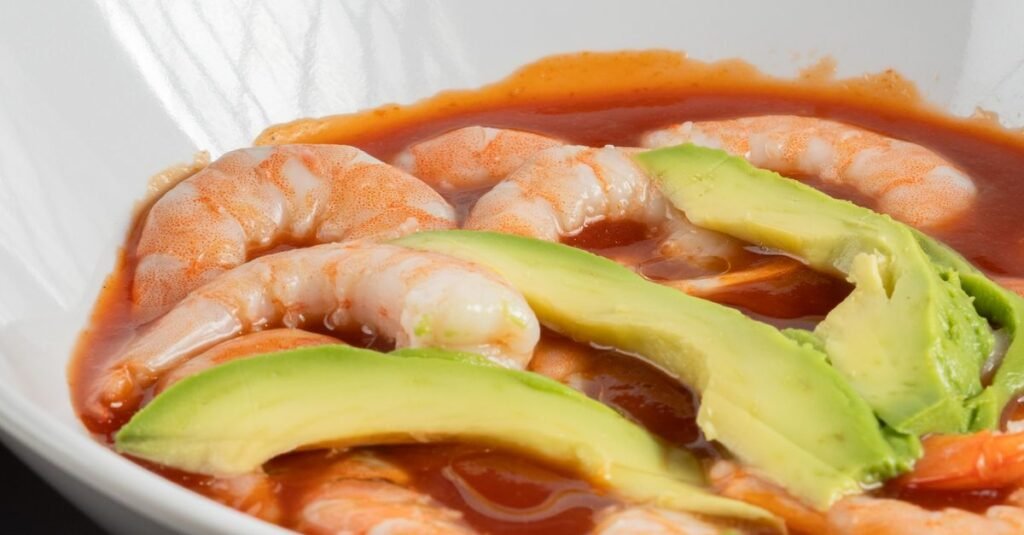
Raw, uncooked shellfish contain harmful pathogens. Cooking shrimp before feeding them to your dog removes this risk. Never feed your dog raw shrimp, and do not let them eat shrimp that was meant for sushi or ceviche.
Shells and Tails
Always remove the shell completely before offering shrimp. Shrimp shells are a choking hazard and can cause intestinal obstructions, especially in small breeds. The tail carries the same risk. Remove the vein (the dark intestinal tract) too, and cut the shrimp into small pieces.
Fried and Seasoned Shrimp
Steamed shrimp is best for dogs. Fried or breaded shrimp contain unnecessary fats and oils that can upset your dog’s stomach. Skip shrimp cooked in butter, oil, or salt, and never offer shrimp dishes with garlic, onion, sauces, or cocktail sauce. Garlic and onions are toxic to dogs.
Shellfish Allergies
Shellfish allergies are uncommon in dogs but possible. Introduce shrimp with a single small piece first and watch for itching, hives, or vomiting over the next 24 hours before offering more.
How Much Shrimp Can Dogs Eat?
Keep portions small and occasional. PetMD’s portions, in medium shrimp, are: half a shrimp for dogs of 2–20 lb, one shrimp for dogs of 21–30 lb, two for dogs of 31–50 lb, three for dogs of 51–90 lb, and up to four for dogs over 90 lb. As with every treat, shrimp should stay well within the rule that all treats combined make up no more than 10% of your dog’s daily calories.
Start with one plain, cooked shrimp and monitor your dog’s reaction before offering more. If your dog has a health condition, is on medication, or eats a prescription diet, check with your vet before adding shrimp.
How to Serve Shrimp Safely
- Steam the shrimp if you can — the American Kennel Club prefers steaming. Boiling, grilling, and baking are fine too, as long as you add no butter, oil, salt, or seasoning.
- Remove the shell, tail, and vein completely.
- Cut the shrimp into small pieces, especially for small dogs.
- Let it cool before serving.
- Skip fried, breaded, coconut, and tempura shrimp, and skip any shrimp from a restaurant dish with sauce or seasoning.
- Offer shrimp as an occasional treat, not an everyday food.
If you like sharing protein-rich treats, the same plain-and-cooked rule applies to eggs — find out whether dogs can eat raw eggs (spoiler: cook them first). For a full overview of kitchen foods, see what human foods dogs can eat, and for a sweet fruit option, read whether dogs can eat pineapple.
Frequently Asked Questions
Can dogs eat raw shrimp?
No. Raw shrimp can carry bacteria and parasites that cause vomiting, diarrhea, and belly pain. Always cook shrimp fully before offering it to your dog.
Can dogs eat shrimp tails or shells?
No. Shells and tails are choking hazards and can cause intestinal blockages, especially in small dogs. Always peel shrimp completely and remove the tail.
Can dogs eat fried shrimp?
No. Fried and breaded shrimp contain excess fat and oils, and often seasonings, that can upset your dog’s stomach. Offer only plain steamed or boiled shrimp.
Can dogs eat shrimp every day?
No. Shrimp should be an occasional treat only. It is high in cholesterol, so a few pieces now and then is the right amount — not a daily habit.
When to Call a Vet
Call your vet if your dog shows vomiting, heavy diarrhea, blood in the vomit or stool, weakness, or collapse — especially after eating raw shrimp. Also call if you notice signs of an allergic reaction, such as itching, hives, or swelling of the face. If your dog swallows a shrimp shell or tail and then gags, vomits, or stops eating, seek veterinary advice right away, since that can signal a blockage. When in doubt, a quick call to your vet is always the right move.
For the most common lean protein of all, see our chicken for dogs guide — plain, cooked, boneless and skinless only.
Shrimp is only one seafood option — our broader guide to can dogs eat fish covers safe fish types, mercury risks and raw-fish dangers.
Pingback: Can Dogs Eat Chicken? Benefits, Risks & Safe Preparation - PawMeridian
Pingback: Can Dogs Eat Fish? Safe Types, Benefits & Risks - PawMeridian