
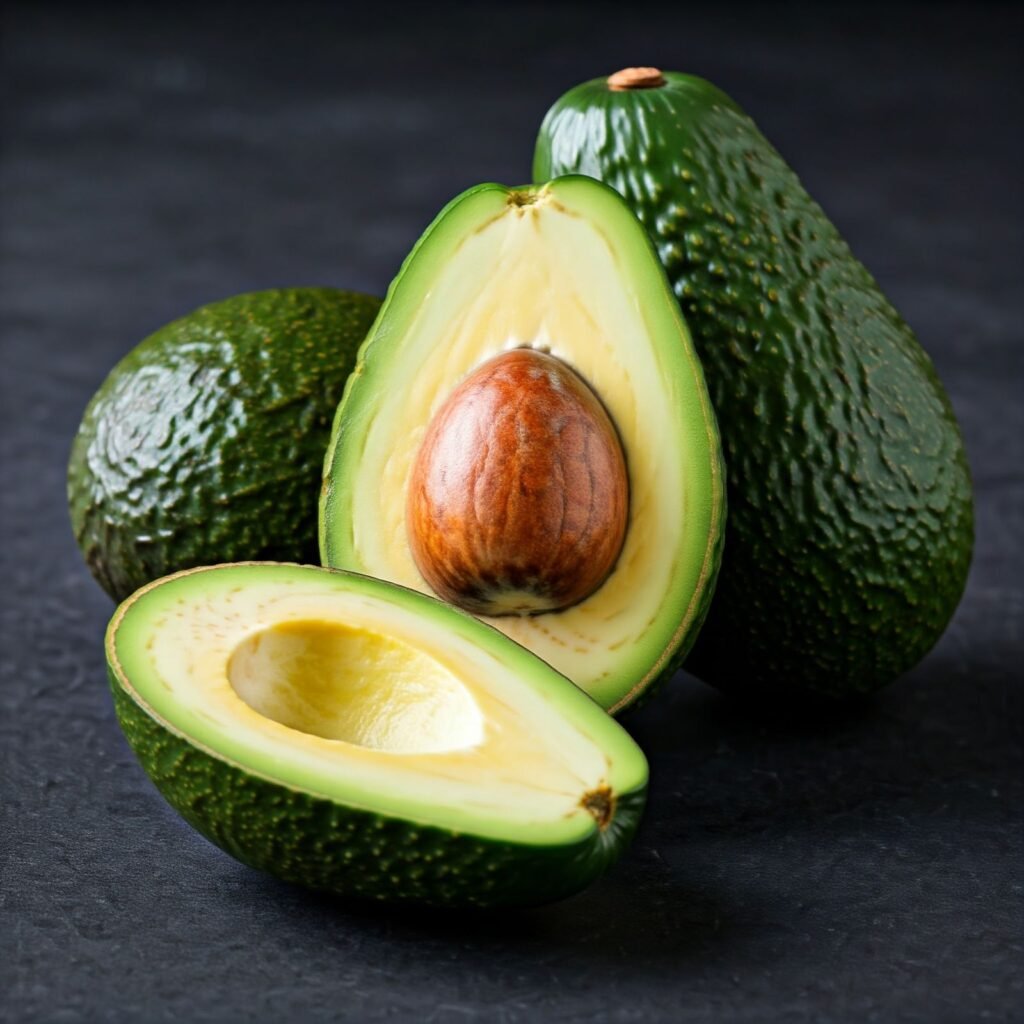
Can Dogs Have Avocado? Safety, Risks & What to Avoid
The short answer is: do not feed avocado to your dog on purpose. It is not in the same danger class as chocolate or grapes, and a small stolen bite of flesh is not usually an emergency, but the ASPCA lists avocado among people foods pets should never eat. Keep it out of your dog’s bowl and out of their reach.
What the ASPCA and Vets Actually Say
The ASPCA Animal Poison Control Center’s people-foods-to-avoid list includes avocado: its leaves, fruit, seeds, and bark contain persin, which can cause vomiting and diarrhoea in dogs. Birds and rodents are especially sensitive, with some ingestions proving fatal. Dogs are less sensitive, but avocado is still officially on the ASPCA’s avoid list.
PetMD’s picture for dogs is more detailed: avocado flesh is not toxic to dogs, so a little bit is not likely to cause problems, but larger amounts and other parts can cause issues. Pet Poison Helpline likewise calls avocado non-toxic to dogs and cats, while warning that the pit can cause a serious intestinal obstruction and the high fat content can trigger pancreatitis.
In short: avocado flesh is not classed as a poison for dogs the way chocolate or grapes are, but it is not a recommended dog treat either.
The Three Real Risks
1. Persin. Persin is a natural antifungal compound found throughout the avocado plant, most concentrated in the skin, leaves, and pit, and in smaller amounts in the flesh. Dogs are more resistant to persin than birds, rabbits, horses, and ruminants, but eating a large amount, particularly of the skin, leaves, or peel, can still cause vomiting and diarrhoea in dogs.
2. The pit. This is the most dangerous part for dogs, and it has nothing to do with persin. The pit is large, hard, and slippery — a choking hazard and a serious blockage risk if swallowed, and a blockage can require emergency veterinary care or surgery.
3. Fat and pancreatitis. Avocados are very high in fat. Eating a large amount of the rich flesh can upset a dog’s stomach and, in susceptible dogs, trigger pancreatitis, a painful and sometimes serious inflammation of the pancreas. Overweight dogs and those with a history of pancreatitis are at particular risk. Even PetMD’s guidance caps any taste very low — about one teaspoon of flesh per 10 pounds of body weight — and that is a ceiling, not a recommendation to feed avocado.
What to Avoid
Keep all of the following away from your dog:
- Whole avocados, including any left on counters or in open bins.
- The skin, peel, leaves, stems, and bark, including fallen leaves.
- The pit, always — never as a chew toy, and never left in a discarded half.
- Guacamole and avocado dishes. These add further hazards: onion and garlic are toxic to dogs, and shop-bought guacamole often contains salt and seasonings.
- Avocado oil and large amounts of flesh. Avocado oil contains no persin, but it is extremely high in fat and can still trigger pancreatitis in susceptible dogs, so it is not a safe workaround.
What to Do If Your Dog Eats Avocado
Do not panic, but do act on what was eaten:
- Work out what and how much. A small lick of plain flesh is very different from a swallowed pit. Note the part eaten and roughly how much.
- Remove any remaining avocado.
- Call your vet, especially if your dog ate the pit, skin, leaves, or a large amount of flesh, or if your dog has pancreatitis or a sensitive stomach. You can also call the ASPCA Animal Poison Control Center on (888) 426-4435.
- Watch for vomiting, diarrhoea, loss of appetite, abdominal pain, or lethargy, and tell your vet promptly if any appear.
- If the pit may have been swallowed, treat it as urgent. Signs of a blockage can include vomiting, loss of appetite, weakness, and difficulty passing stool. Do not try to make your dog vomit at home unless your vet explicitly tells you to — that can cause further harm.
Never give home remedies for a suspected blockage or pancreatitis; your vet is the right person to decide what happens next.
Safer Alternatives
For safer options, plain unsweetened peanut butter without xylitol is popular — see is peanut butter good for dogs. For fruit, can dogs eat pineapple is a safer choice, and what human foods dogs can eat is worth checking before sharing anything new.
The Bottom Line
Avocado is not the most poisonous food a dog can eat, but it is on the ASPCA’s avoid list for good reasons: persin can cause stomach upset, the pit can block the gut, and the fat can trigger pancreatitis. Keep it out of reach, keep pits and skins in a dog-proof bin, and if your dog eats some, note what part and how much and call your vet — especially if the pit is involved.
FAQ
Can dogs eat avocado flesh?
Avocado flesh is not classed as toxic to dogs, and a small amount is unlikely to cause serious harm. But the ASPCA lists avocado among foods to avoid, and vet toxicologists recommend not offering it as a treat: larger amounts can cause stomach upset and the fat can trigger pancreatitis.
Is avocado poisonous to dogs?
It depends on the part: leaves, skin, bark, and pit carry the most persin and risk, and the pit is a choking and blockage hazard. The flesh has less persin but is still not recommended as a treat.
What happens if a dog eats an avocado pit?
The pit can choke a dog or cause a gastric or intestinal blockage needing emergency veterinary care or surgery. Contact your vet immediately if you think your dog swallowed a pit.
Is guacamole safe for dogs?
No. Guacamole often contains onion and garlic, which are toxic to dogs, plus salt and seasonings.
What should I do if my dog ate avocado?
Note what part and how much was eaten, remove the rest, and call your vet — or the ASPCA Animal Poison Control Center on (888) 426-4435 — especially if the pit, skin, or leaves were involved.
Sources
- ASPCA Animal Poison Control Center, “People Foods Pets Should Never Eat”: http://www.aspcapro.org/resource/people-foods-pets-should-never-eat
- PetMD, “Can Dogs Eat Avocado?”: https://www.petmd.com/dog/nutrition/can-dogs-eat-avocado
- Pet Poison Helpline, “Can Dogs Eat Avocado? Safety, Risks & What To Do”: https://www.petpoisonhelpline.com/blog/can-dogs-eat-avocado/
This article is for general information only and is not a substitute for veterinary advice. If your dog has eaten avocado or shows any symptoms, consult a vet promptly.