
Can Dogs Eat Watermelon? Benefits, Risks & Safe Serving Guide
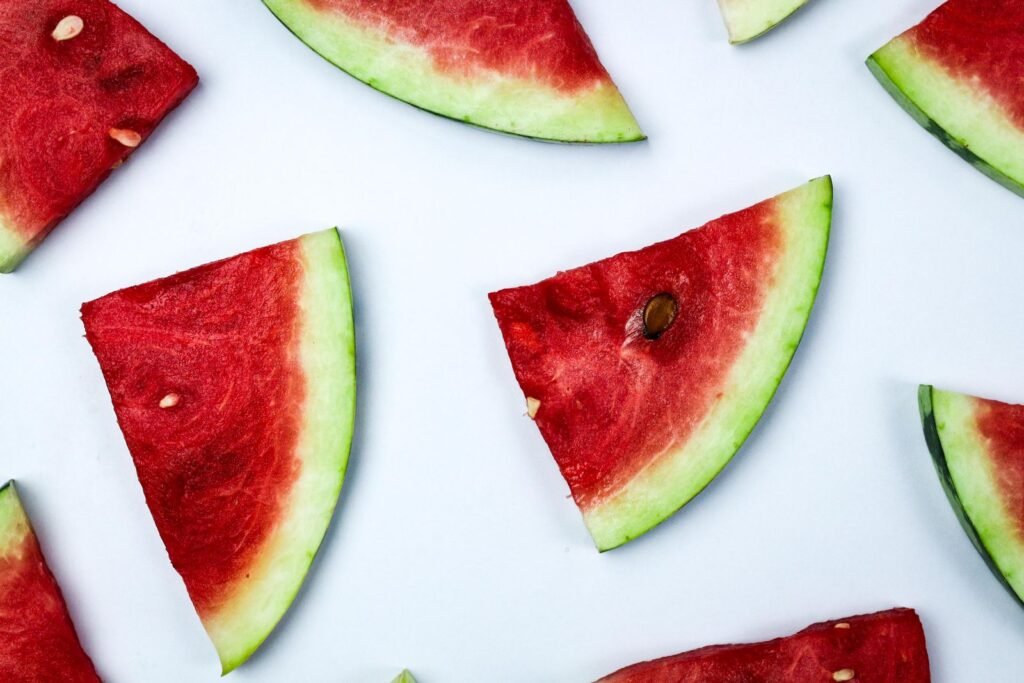
Yes, dogs can eat watermelon — but only the red flesh, and only when the seeds and rind have been removed. Prepared that way, watermelon is a hydrating, low-calorie summer treat that most healthy dogs enjoy. Served the wrong way, though, the rind and seeds can cause stomach upset, choking, or blockage, especially in smaller dogs.
Why Watermelon Can Be a Good Treat
Watermelon is about 92% water, which makes it one of the most hydrating fruits you can share with your dog. It is also low in calories and free of fat and cholesterol, so it works well as a light treat rather than a heavy snack.
Nutritionally, watermelon flesh contains vitamins A, B6, and C, plus potassium and the antioxidant lycopene, which gives the flesh its red colour. These are a bonus, not a reason to feed large amounts: your dog’s complete dog food already covers their nutritional needs, and watermelon should stay firmly in the “treat” category.
Like all treats, watermelon should stay under about 10% of your dog’s daily calories; its natural sugars are a further reason to keep portions modest.
The Parts Your Dog Must Not Eat
The flesh is safe, but two parts of the watermelon are not: the rind and the seeds.
The rind. The tough green outer rind is not considered toxic, but it is very hard for dogs to digest. PetMD notes that eating the rind can cause gastrointestinal upset or intestinal blockage, particularly in smaller dogs. Large, fibrous pieces can also be a choking hazard for dogs that gulp their food. Always cut the rind off completely, and keep discarded rind out of your dog’s reach.
The seeds. Seeds should be removed too. A seed or two swallowed by accident is unlikely to cause a problem in a medium or large dog, but a larger number can irritate the digestive tract and, in small dogs, can contribute to an intestinal blockage. Seeds also pose a choking risk. The simplest fix is to buy seedless watermelon or to pick the seeds out before serving.
If your dog does eat rind or a lot of seeds, watch them closely and contact your vet promptly if you notice vomiting, diarrhoea, loss of appetite, straining, abdominal discomfort, or lethargy, or if a small dog ate a large piece of rind.
How Much Watermelon Can a Dog Have?
Start small. Offer one or two bite-sized pieces the first time and watch for any stomach upset over the next day before making watermelon a regular treat. As a rough guide used by veterinarians, small dogs can have a few small pieces, while larger dogs can have up to about a cup of seedless, rind-free watermelon.
Cut the flesh into bite-sized cubes so your dog cannot gulp a large chunk, and serve it at room temperature or lightly chilled. Frozen watermelon cubes can be a fun warm-weather idea, but keep the pieces small and supervise your dog, since a frozen chunk can still be a choking hazard. Avoid watermelon-flavoured sweets, drinks, and store-bought juices: these often contain added sugar or artificial sweeteners, and some sweeteners, such as xylitol, are dangerous for dogs. Plain fresh flesh is the only safe version.
Dogs with diabetes, sensitive stomachs, or a managed diet should only have watermelon if your vet approves it. Puppies eating solid food can have a tiny taste, with the portion kept small and the pieces soft.
How to Serve Watermelon Safely
- Wash the outside of the melon before cutting it.
- Cut off all of the green rind, including the pale inner layer.
- Remove the seeds, or use a seedless melon.
- Cut the flesh into small, bite-sized cubes.
- Offer a small portion first, within treat limits.
- Throw rind and seeds away where your dog cannot reach them.
If you are unsure about other human foods, our guide to what human foods dogs can eat covers the broader picture, plus can dogs eat cantaloupe and can dogs have apples for two other popular fruits. As with any new food, introduce it gradually and stop if it upsets your dog’s stomach.
The Bottom Line
Watermelon flesh, served seedless, rind-free, and in moderation, is a safe and refreshing treat for most healthy dogs. The dangers come from the parts people forget to remove: the tough rind and the seeds. Remove both, keep portions small, and check with your vet first if your dog has diabetes or a sensitive stomach.
FAQ
Can dogs eat watermelon rind?
No. The rind is not toxic, but it is tough and hard to digest, and it can cause vomiting, diarrhoea, choking, or an intestinal blockage, especially in smaller dogs. Always remove it completely.
Can dogs eat watermelon seeds?
They should not. A seed or two is unlikely to harm a larger dog, but seeds can irritate the gut and, in larger numbers or in small dogs, cause a blockage. Use seedless watermelon or remove the seeds before serving.
How much watermelon can I give my dog?
Start with one or two small pieces. As an occasional treat, small dogs can have a few small pieces and larger dogs up to about a cup of seedless, rind-free flesh, within the rule that treats stay under about 10% of daily calories.
Is watermelon good for dogs?
In moderation, yes. It is hydrating, low in calories, and provides vitamins A, B6, and C and potassium. It is a treat, not a staple, and does not replace balanced dog food.
What should I do if my dog ate watermelon rind?
Monitor them closely and contact your vet, especially if they ate a large piece or are a small dog. Seek advice promptly if you see vomiting, diarrhoea, loss of appetite, straining, or signs of pain or lethargy.
Can puppies eat watermelon?
Puppies eating solid food can have a tiny taste of seedless, rind-free flesh in very small pieces.
For another hydrating fruit option, see our guide on pears for dogs, which follows the same flesh-only, seeds-out rule.
Another hydrating summer option dogs can enjoy plain is covered in our zucchini for dogs guide — raw or cooked, but skip any bitter squash.
Another crisp, hydrating vegetable dogs can snack on plain is covered in our cucumber for dogs guide — fresh only, never pickles.
Sources
- PetMD, “Can Dogs Eat Watermelon?”: https://www.petmd.com/dog/nutrition/can-dogs-eat-watermelon
- ASPCA Animal Poison Control Center, “People Foods Pets Should Never Eat”: http://www.aspcapro.org/resource/people-foods-pets-should-never-eat
This article is for general information only and is not a substitute for veterinary advice. If you are unsure whether a food suits your dog, consult a vet first.
Pingback: Can Dogs Eat Pears? Benefits, Risks & Safe Serving Guide - PawMeridian
Pingback: Can Dogs Eat Green Beans? Benefits, Risks & Safe Serving Guide - PawMeridian