
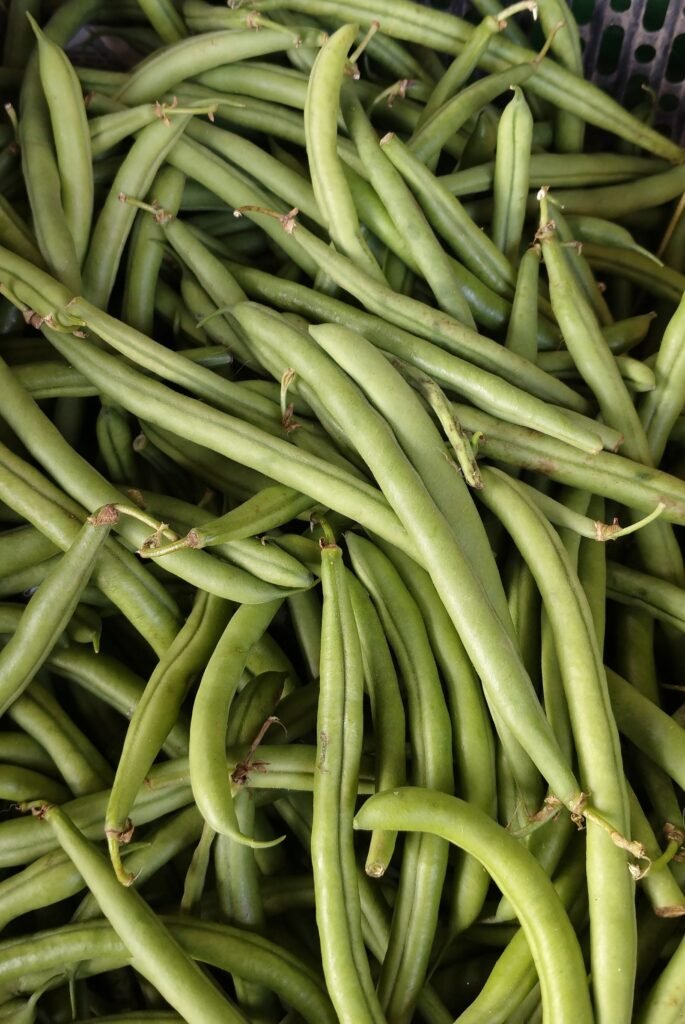
Yes, dogs can eat green beans. Plain green beans — raw, steamed, or frozen — are one of the safest vegetables you can share with your dog. They are low in calories, high in fiber, and packed with vitamins, which is why vets often recommend them for overweight dogs. The only versions to avoid are beans cooked with seasoning, butter, onion, or garlic, and canned beans that are loaded with added salt. Cauliflower is another vegetable that works the same way — our guide to can dogs have cauliflower covers benefits, gas and safe portions.
Green beans are also one of the few dog treats that work as a genuine meal filler. Because they add bulk without many calories, they can help a hungry dog feel full while its regular food portion is reduced for weight loss. That is the whole idea behind the famous “green bean diet” — but as you will see below, it needs to be done with your vet’s guidance, not as a do-it-yourself plan.
Are Green Beans Good for Dogs?
Green beans are very good for dogs in moderation. They are rich in vitamins A, C, and K, plus manganese, folate, and iron in small amounts. Vitamin A supports vision and skin health, vitamin C supports the immune system, and vitamin K plays a role in blood clotting and bone health. Their fiber content supports healthy digestion and regular bowel movements.
What makes green beans stand out among dog-safe vegetables is their calorie profile. A cup of raw green beans contains roughly 30 calories, compared with far more in most commercial treats. That means you can reward your dog generously without blowing its daily calorie budget — a rare combination.
They are also naturally low in fat and free of the toxic compounds that make some human foods dangerous for dogs. Green beans do not appear on the ASPCA’s lists of foods to avoid, and veterinary sources including the American Kennel Club list them as safe when served plain. If your dog is new to vegetables, green beans are a sensible place to start, alongside other safe options like our guide to can dogs eat celery.
Raw, Cooked, Frozen or Canned: Which Green Beans Are Safe?
Not every form of green bean is equally safe, so here is the breakdown.
Raw green beans are safe and crunchy, and many dogs love them as a treat straight from the bag. Just wash them, trim the ends, and cut them into pieces small enough that your dog cannot choke. Raw beans are firmer than cooked ones, so they suit dogs that chew well; for gulpers, cooked is safer.
Cooked green beans — steamed or boiled, with nothing added — are the easiest form to digest. Steaming is ideal because it softens the beans without adding fat or salt. Boiling works too, as long as you drain the water and add no seasoning. Never serve beans cooked in butter, oil, garlic, onion, salt, or sauces, and never share green bean casserole, which typically contains all of those.
Frozen green beans are safe and make excellent crunchy treats, especially in warm weather. Many dogs enjoy them straight from the freezer. Let them thaw slightly for very small dogs or puppies so the hard pieces are easier to chew, and always supervise the first few servings.
Canned green beans need caution. Most canned green beans are packed in salted water, and the sodium can be far too high for a dog. If you only have canned beans, choose a no-salt-added variety and rinse them thoroughly under running water before serving. Standard salted canned beans are best avoided entirely — the salt warning is the single biggest green bean mistake owners make.
Can Green Beans Help My Dog Lose Weight?
Green beans can help with weight loss, but they are a tool, not a diet plan on their own. The idea behind the “green bean diet” is simple: replace part of your dog’s regular kibble with green beans, so the dog still eats a full-looking bowl but takes in fewer calories. Vets have recommended this approach for overweight dogs because the fiber in beans helps them feel full.
Here is how to do it safely, and only after talking to your vet:
- Ask your vet first. Your vet will confirm your dog actually needs to lose weight and how much, and rule out medical causes of weight gain.
- Start small. Replace no more than 10% of the kibble with plain green beans at first, then work up gradually if your vet advises it — never more than about 50% replacement, and only temporarily.
- Use plain beans only. Steamed or raw, no salt, no butter, no seasoning.
- Keep the regular food balanced. Your dog still needs its complete dog food for protein, vitamins, and minerals. Beans are a filler, not a replacement for nutrition.
- Weigh food and track progress. Weigh your dog regularly and adjust with your vet’s guidance. If your dog loses energy, develops a dull coat, or has persistent digestive upset, consult a vet promptly.
Never put a dog on a bean-heavy diet without veterinary supervision. Too much fiber too fast causes gas and diarrhea, and replacing too much balanced food with beans can lead to nutrient deficiencies over time. Green beans support weight loss — they do not replace a vet’s plan.
How Many Green Beans Can a Dog Eat?
As with all treats and toppers, green beans should stay within the 10% rule: no more than 10% of your dog’s daily calories from treats, including vegetables, unless your vet has set a specific weight-loss plan. The table below gives general guidance for green beans as a treat or topper.
| Dog size | Example breeds | Green beans as a treat |
|---|---|---|
| Small (under 10 lbs) | Chihuahua, Yorkie | A small handful (about 1/4 cup) |
| Medium (10–50 lbs) | Beagle, Cocker Spaniel | About 1/2 cup |
| Large (over 50 lbs) | Labrador, German Shepherd | About 1 cup |
These are general portions for healthy adult dogs, not prescriptions. Puppies can have a few small pieces of steamed green bean once they are eating solid food, but keep portions tiny and watch for soft stools. If your dog has kidney disease or another condition that requires dietary limits, ask your vet before adding any vegetable regularly, and consult a vet if digestive upset lasts more than a day.
One more practical tip: introduce green beans gradually. A sudden large serving of any high-fiber food can cause gas and loose stools even in dogs that tolerate it well in small amounts. Start with a few beans, wait a day, and build up to the portions above.
For another crunchy, low-calorie vegetable option, see our guide to can dogs eat celery, and for a fruit treat that pairs well with training, our can dogs eat watermelon guide covers safe fruit portions too.
Frequently Asked Questions
+ Can dogs eat green beans every day?
Yes, plain green beans can be given daily in small amounts as part of the 10% treat allowance, or as a meal topper under a vet’s weight-loss plan. Keep portions modest, serve them plain, and watch for gas or loose stools if you increase the amount.
+ Are canned green beans safe for dogs?
Only no-salt-added canned green beans, rinsed thoroughly, are acceptable — and fresh, steamed, or frozen beans are always better. Standard canned green beans packed in salted water are too high in sodium for dogs and should be avoided.
+ Can green beans help my dog lose weight?
Yes, green beans can support weight loss because they add filling fiber with very few calories, letting you reduce kibble while keeping the bowl full. But any weight-loss plan should be agreed with your vet first, and beans must never replace balanced dog food entirely.
+ Can puppies eat green beans?
Yes, puppies eating solid food can have a few small pieces of plain steamed green bean. Keep portions tiny, cut pieces small to prevent choking, and watch for digestive upset. Avoid raw frozen pieces for very young puppies, as they are harder to chew.
+ Can dogs eat frozen green beans?
Yes, frozen green beans are safe and make great crunchy treats, especially in warm weather. Let them thaw slightly for small dogs or puppies, and supervise the first few servings to make sure your dog chews them rather than gulping them whole.
Another green vegetable that is safe only cooked and plain is covered in our asparagus for dogs guide — and keep the fern well away from your dog.
Sources
- American Kennel Club — Fruits and Vegetables Dogs Can and Can’t Eat: https://www.akc.org/expert-advice/nutrition/fruits-vegetables-dogs-can-and-cant-eat/
- ASPCA — People Foods to Avoid Feeding Your Pets: https://www.aspca.org/pet-care/animal-poison-control/people-foods-avoid-feeding-your-pets
- PetMD — Can Dogs Eat Green Beans?: https://www.petmd.com/dog/nutrition/can-dogs-eat-green-beans
- PetMD — Dog Nutrition: https://www.petmd.com/dog/nutrition
Pingback: Can Dogs Eat Asparagus? Benefits, Risks & Safe Preparation - PawMeridian
Pingback: Can Dogs Eat Spinach? Benefits, Oxalates & Safe Amounts - PawMeridian
Pingback: Can Dogs Eat Zucchini? Benefits, Risks & Safe Serving Guide - PawMeridian
Pingback: Can Dogs Eat Celery? Benefits, Risks & Safe Serving Guide - PawMeridian