
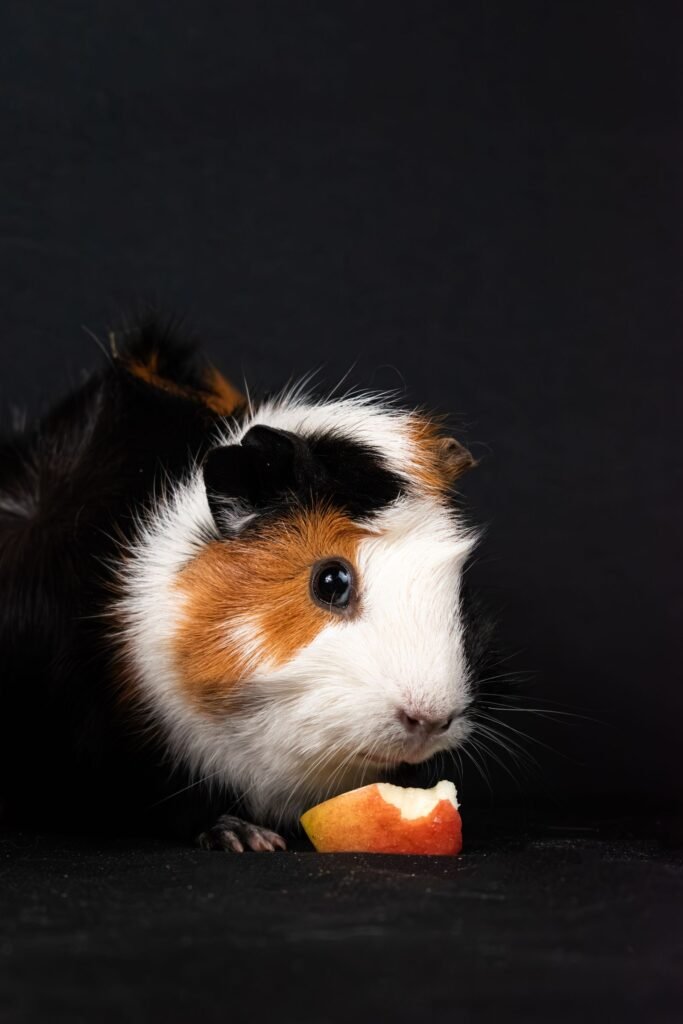
Yes, guinea pigs can eat grapes. Unlike dogs, cats and ferrets — for whom grapes can cause kidney failure — grapes are not toxic to guinea pigs. A veterinarian-written PetMD guide confirms guinea pigs can enjoy grapes under the right conditions, and Burgess Pet Care’s in-house vet Dr Suzanne Moyes agrees: they are safe, but owners need to be cautious.
The caution is about sugar, not poison: one or two small grapes, once or twice a week at most.
Are Grapes Good for Guinea Pigs?
Grapes do bring some genuine nutrition: vitamin C, which matters because guinea pigs — like humans — cannot make their own, plus antioxidants such as resveratrol and flavonoids, and small amounts of vitamin K and potassium.
| Nutrient (per 100 g) | Amount | What it does for your guinea pig |
|---|---|---|
| Vitamin C | ~3.2 mg | Supports the immune system; guinea pigs cannot make their own |
| Sugar | ~16 g | Quick energy — but the main reason portions stay tiny |
| Potassium | ~191 mg | Supports muscle and nerve function |
| Vitamin K | ~14.6 mcg | Supports blood clotting and bone health |
| Antioxidants | Resveratrol, flavonoids | Help protect cells from damage |
That table comes with a warning, though. Those numbers are for 100 grams — about 20 grapes. Your guinea pig will never eat that much, and the nutrients in a single grape are small, so nobody should feed grapes “for the vitamins.” Vitamin C should come from hay, bell pepper and leafy greens, not from fruit.
The Risks: Sugar, Choking and Upset Tummies
Sugar and weight gain. This is the big one. At around 16 grams of sugar per 100 grams, grapes are one of the sweetest fruits for a guinea pig. One grape holds about 3.5 calories and roughly 1 gram of sugar — a meaningful load for an animal that weighs 700 to 1,200 grams. PetMD calls grapes “empty calories” and warns that excess may contribute to obesity and upset gastrointestinal stability. Too much sugar also risks dental problems and soft droppings.
Digestive upset. Guinea pigs have sensitive digestive systems built around constant fibre from hay, and a sugary treat can disturb the gut bacteria that keep it working — the usual result is diarrhoea or soft stools. If your guinea pig stops eating for 12 hours or more, that is an emergency: consult your vet right away.
Choking. A whole grape is round, smooth and slippery — exactly the shape that can lodge in a small throat. Burgess Pet Care stresses this: just as with small children, grapes can be a choking hazard for guinea pigs, so always cut them into halves or quarters and remove the seeds.
Pesticides and allergy. Grape skins are often treated with pesticides, so wash every grape thoroughly before serving. A grape allergy is rare, but PetMD notes it exists — if your piggy shows swelling, breathing difficulty or unusual lethargy after eating a grape, stop and consult your vet immediately.
One honest note: not every source says yes. RSPCA guidance for small pets generally advises steering clear of grapes, and some vet guides note that while there is no evidence grapes harm guinea pig kidneys, it cannot be definitively ruled out. The mainstream vet consensus is that a tiny amount is safe — but if you prefer the most cautious route, skip grapes and offer a lower-sugar fruit instead.
How Many Grapes Can a Guinea Pig Eat?
PetMD, Oxbow, Burgess and Hepper all agree: one to two small grapes, once or twice a week at most. Fruit should make up only about 5% of what your guinea pig eats — the rest is unlimited hay, about a cup of fresh vegetables a day, and a small portion of plain pellets. Skip grapes for overweight piggies and babies under six months, and only offer them to a piggy with diabetes or gut problems if your vet approves.
How to Serve Grapes to Your Guinea Pig
- Choose fresh, ripe grapes. Pick seedless grapes if you can. Never use grapes that are mouldy, wrinkled or squashed.
- Wash thoroughly. Rinse under running water and rub the skin gently to remove pesticide residue, then pull off the stalks.
- Remove the seeds and cut small. If the grapes are not seedless, cut them open and scoop every seed out, then cut into halves or quarters about the size of a guinea pig pellet. Keep the skin on — it holds many of the antioxidants.
- Offer one grape, by hand. Hand-feeding lets you watch your piggy eat and is a nice bonding moment.
- Watch for 24 hours. The first time, offer half a grape and check the droppings the next day before making it a regular treat.
- Remove leftovers. Take away any uneaten fruit within a few hours so it does not spoil in the cage.
Can Guinea Pigs Eat Raisins, Grape Juice or Dried Grapes?
No — never. Raisins, sultanas and currants are dried grapes, so the sugar is concentrated into a much smaller package. Burgess Pet Care is blunt: processed grape products such as raisins, sultanas and currants or grape jelly should never be given to guinea pigs. Grape juice is just as bad — it concentrates the sugar and drops the fibre. Only fresh, raw grapes count.
What Other Fruits Can Guinea Pigs Eat?
Grapes are one of many occasional fruits. Apple slices (seeds removed), blueberries, strawberries, melon, kiwi, mango and pear are all safe in the same small, once-or-twice-a-week way. For everyday food, though, fruit is never the answer: the daily diet is unlimited hay, a cup of mixed vegetables and greens, and a small portion of pellets.
Our other guinea pig food guides follow the same rules — see can guinea pigs eat celery for a crunchy everyday vegetable, and can guinea pigs eat watermelon rind for another sweet summer treat. Our guinea pig lifespan guide covers how many years of good feeding and care your piggy needs.
The Bottom Line
Can guinea pigs eat grapes? Yes — fresh, seedless, washed and cut into small pieces, one or two grapes once or twice a week. They are not toxic to guinea pigs the way they are to dogs, and most piggies love them. But grapes are a high-sugar treat, not a health food: too many can mean weight gain, diarrhoea and dental trouble. Keep the portion tiny, never feed raisins, and consult your vet when in doubt.
Frequently Asked Questions
+ Are grapes toxic to guinea pigs?
No. Grapes are not toxic to guinea pigs the way they are to dogs, cats and ferrets, where they can cause kidney failure. A veterinarian-written PetMD guide confirms guinea pigs can eat them safely in small amounts — the risk is sugar, not poison, so portions must stay tiny.
+ How many grapes can a guinea pig eat?
One to two small grapes, once or twice a week at most — fruit should be only about 5% of your guinea pig’s diet. Never feed grapes daily: too many can cause diarrhoea, weight gain and dental problems.
+ Can guinea pigs eat grape seeds?
No. Grape seeds are a choking hazard, so always remove them or buy seedless grapes. Cut each grape into halves or quarters and remove the stalk before serving.
+ Can guinea pigs eat grape skin?
Yes — the skin is safe and holds many of the grape’s antioxidants, so leave it on. Wash the grapes thoroughly first to remove pesticide residue.
+ Can guinea pigs eat red grapes or green grapes?
Both are safe. Red, purple and black grapes are slightly better because their skins contain more antioxidants (anthocyanins) — but the same 1–2 grape limit applies to every colour.
+ Can guinea pigs eat raisins?
No, never. Raisins, sultanas and currants are dried grapes with concentrated sugar, and grape jelly and juice are just as unsuitable. Only fresh, raw grapes in tiny amounts are safe.
Sources
- PetMD vet guide on grapes for guinea pigs (veterinarian Lauren Jones, Nov 2023), as cited in: https://mypetguineapig.com/can-guinea-pigs-eat-grapes/
- Burgess Pet Care — Can guinea pigs eat grapes? (in-house vet Dr Suzanne Moyes): https://www.burgesspetcare.com/blog/guinea-pigs/can-guinea-pigs-eat-grapes-diet-facts-and-expert-advice-on-what-and-what-not-to-feed-your-gorgeous-guinea-pigs/
- Oxbow Animal Health — Foods Guinea Pigs Should Never Eat: https://oxbowanimalhealth.com/blog/foods-guinea-pigs-should-never-eat/
- Hepper — Can Guinea Pigs Eat Grapes? Vet-Approved Facts & FAQ: https://articles.hepper.com/can-guinea-pigs-eat-grapes/
- USDA FoodData Central — Grapes, red or green, raw (nutrition values): https://fdc.nal.usda.gov/