
Can dogs have Down syndrome? The short, science-backed answer is no. Dogs cannot have Down syndrome the way humans do, because Down syndrome is a very specific human genetic condition — and dogs do not share the chromosome structure it depends on.
That does not make the question silly. Owners regularly post photos of puppies with flat faces, wide-set eyes, protruding tongues, or slower development than their littermates and ask whether their dog has Down syndrome. Some of those dogs do have a real condition that deserves a vet’s attention — it just is not Down syndrome. This guide explains the genetics, the look-alike conditions, and what to do if you are worried about your puppy.
What Is Down Syndrome in Humans?
Down syndrome, medically known as trisomy 21, is a genetic condition in which a person is born with an extra copy of chromosome 21. Humans normally have 23 pairs of chromosomes — 46 in total. A person with Down syndrome has three copies of chromosome 21 instead of two, giving 47 chromosomes in total.
That extra genetic material changes how a baby’s body and brain develop, which is why Down syndrome is associated with a recognizable set of traits: a flatter facial profile, upward-slanting eyes, low muscle tone, and varying degrees of intellectual disability. According to the National Down Syndrome Society, it occurs in roughly 1 in 700 babies born in the United States. Note how specific this is: not a general label for “born different,” but one exact chromosomal event in one species’ genome.
Why Can’t Dogs Have Down Syndrome?
The reason comes down to chromosome numbers. Dogs have 39 pairs of chromosomes — 78 in total — while humans have 23 pairs. Human chromosome 21 has no equivalent in the dog genome. There is no “dog chromosome 21” that could be tripled to produce trisomy 21, so the condition as defined in humans cannot occur in dogs.
The canine and human genomes are simply mapped differently, and major chromosomal abnormalities in dogs are usually so disruptive that affected embryos do not survive to birth. What owners actually see are different conditions entirely. That is why no veterinarian will diagnose a dog with Down syndrome: the diagnosis does not exist in canine medicine. When a dog shows these traits, a vet looks for a specific, diagnosable condition instead.
Why Does My Dog Look Like It Has Down Syndrome?
If dogs cannot have Down syndrome, why do some dogs look so much like the internet’s idea of it? Usually for one of three reasons.
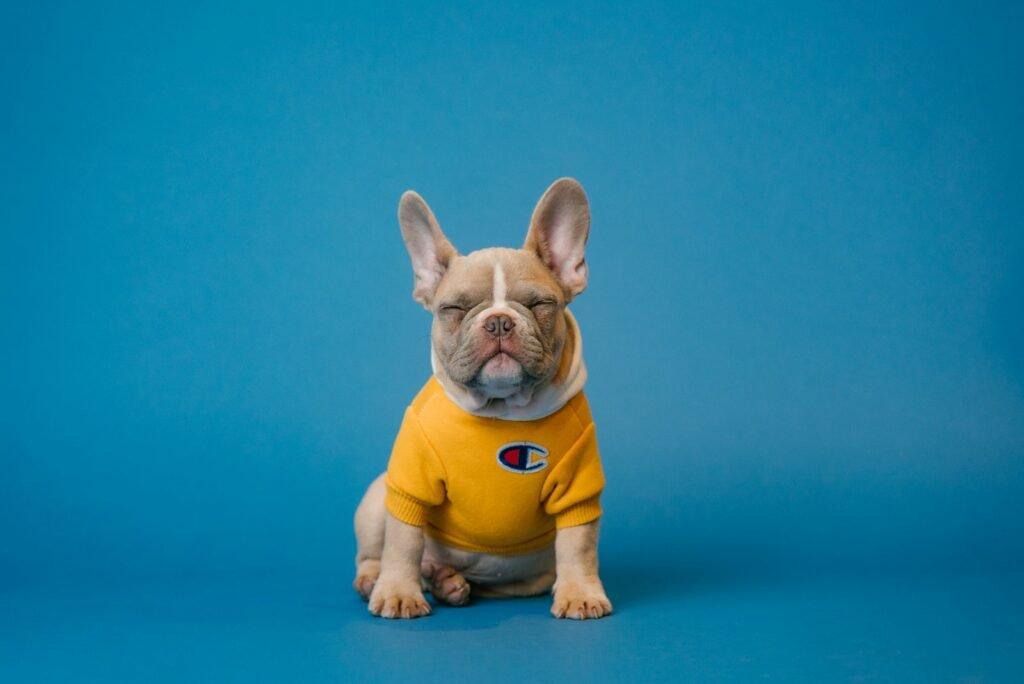
First, breed traits. Flat faces, wide-set eyes, and protruding tongues are normal features of many breeds — a French bulldog puppy or a pug can look strikingly “Down syndrome-like” while being a perfectly typical example of its breed. Coat color varies within a breed without making it a different breed, as our guide to the white labrador explains, and the same logic applies to face shape.
Second, normal puppy development. Puppies grow unevenly, and one that is smaller than its littermates or slow to learn commands is often just developing at its own pace. Slow does not mean abnormal.
Third, real medical conditions that genuinely mimic some Down syndrome traits. These are the cases where a vet visit matters.
Conditions That Look Like Down Syndrome in Dogs
Several diagnosable conditions can cause slow growth, a broad or flat face, a large tongue, low muscle tone, or delayed learning — the same signs that prompt owners to ask about Down syndrome. The table names the vet test that separates one from another. Never use it to diagnose your own dog; use it to talk to your vet.
| Condition | Typical signs | How a vet investigates |
|---|---|---|
| Congenital hypothyroidism | Stunted growth, broad head, large tongue, dull coat, lethargy, delayed development | Blood test for thyroid hormone (T4) levels |
| Pituitary dwarfism | Proportionate small size, puppy-like coat retained into adulthood, slow growth | Blood tests for growth hormone and related hormones, sometimes imaging |
| Hydrocephalus (fluid on the brain) | Domed skull, wide-set or downward-looking eyes, learning difficulty, seizures in some cases | Neurological exam, ultrasound or MRI imaging |
| Portosystemic shunt (liver shunt) | Small size, poor growth, disorientation, head pressing, vomiting or urinary issues | Blood tests (bile acids, ammonia), abdominal ultrasound |
Congenital hypothyroidism is the most commonly cited look-alike: a puppy born with an underactive thyroid grows slowly, develops a broad head and large tongue, and seems mentally dull. It is diagnosable with a simple blood test and manageable with daily vet-prescribed thyroid medication — but it must be caught early, because untreated it causes lasting developmental problems. Hydrocephalus and liver shunts are more serious and need specialist assessment, which is why “probably fine” is not a good enough answer for a puppy with real developmental delays. Only a vet workup can separate a normal slow developer from a dog with a treatable condition.
How Do Vets Diagnose Genetic Conditions in Dogs?
If you take a puppy with developmental delays to the vet, a workup usually looks like this:
- Full history and physical exam. The vet asks about growth, littermates, appetite, energy, and milestones, and examines size, skull shape, eyes, coat, and muscle tone.
- Blood work. A basic panel plus thyroid (T4) testing is the usual first move — it quickly rules in or out congenital hypothyroidism, the most common look-alike.
- Targeted tests based on findings. Depending on results, the vet may add bile-acid testing for a liver shunt, hormone testing for pituitary dwarfism, or ultrasound/MRI for hydrocephalus.
- Genetic testing where useful. DNA tests exist for some inherited conditions; your vet can advise whether one is relevant. There is no test “for Down syndrome in dogs” — be wary of anyone selling one.
- A management plan, not a label. The goal is a diagnosis that leads to treatment: medication, diet changes, surgery, or monitoring.
Bring notes: your puppy’s weight over time, photos comparing it with littermates, and the specific traits worrying you. Vets diagnose from patterns, and your observations are part of the evidence.
What Should I Do If My Puppy Has Developmental Delays?
If your puppy is noticeably smaller than its littermates, slow to hit milestones, or shows several signs from the table, book a vet appointment promptly — do not wait for the puppy to “grow out of it.” Conditions like congenital hypothyroidism respond best to early treatment.
While you wait, keep life calm and normal: regular feeding, gentle play, and short, positive training sessions. Do not try supplements, thyroid medication, or any online “treatment” — dosing a puppy without a diagnosis can do real harm. Be careful with labels, too: calling a dog a “Down syndrome dog” online can spread misinformation and delay the real diagnosis. Describe what you actually see — “smaller than littermates, slow to learn, broad face” — and let the vet name the condition, if there is one.
Can Dogs Have Autism?
This is the question owners usually ask next, and the honest answer is similar: there is no formal autism diagnosis for dogs. However, vets do recognize canine dysfunctional behavior (CDB), in which dogs show repetitive behaviors, difficulty with social interaction, and trouble adapting to change — traits resembling some aspects of autism in people.
CDB is a diagnosis of exclusion, reached only after ruling out medical causes, anxiety, and poor socialization. It is managed with behavior work and sometimes vet-prescribed medication — never diagnosed from a video. If your dog shows repetitive behaviors such as tail chasing or extreme withdrawal, see a vet behaviorist, not an internet label. Our guide to why dogs lick so much covers one common repetitive behavior and when it signals a problem.
Whether the workup finds a treatable condition or simply a slower developer, the day-to-day advice is the same: patience, routine, and vet guidance. Giant breeds tell the same story on a larger scale — our Leonberger guide covers life with a very large, slower-maturing dog. Judge your dog against its own progress, not against other dogs, and be skeptical of viral “Down syndrome dog” posts, which often show ordinary flat-faced breeds or dogs whose real condition was never diagnosed because a catchy label replaced a vet visit.
Frequently Asked Questions
+ Can dogs have Down syndrome?
No. Down syndrome is trisomy 21, an extra copy of human chromosome 21. Dogs have 78 chromosomes in 39 pairs and no equivalent of human chromosome 21, so the condition cannot occur in dogs.
+ Why can’t dogs have Down syndrome?
Because their genome is structured differently. Humans have 23 chromosome pairs and Down syndrome is an extra copy of pair 21. Dogs have 39 pairs, and human chromosome 21 has no canine equivalent, so trisomy 21 as defined in humans is impossible in dogs.
+ What conditions in dogs look like Down syndrome?
Congenital hypothyroidism, pituitary dwarfism, hydrocephalus, and portosystemic (liver) shunts can all cause slow growth, broad faces, large tongues, or learning delays. Flat-faced breed traits and normal uneven puppy development are also commonly mistaken for it.
+ How do vets diagnose genetic conditions in dogs?
With a physical exam, blood work (including thyroid testing), and targeted tests such as bile-acid tests, hormone tests, or MRI/ultrasound imaging, depending on the signs. There is no test for Down syndrome in dogs because the condition does not exist in dogs.
+ What should I do if my puppy has developmental delays?
Book a vet appointment promptly, especially if your puppy is much smaller than littermates or slow to hit milestones. Bring weight records and photos. Do not try supplements or medication without a diagnosis, and do not wait for the puppy to simply grow out of it.
+ Can dogs have autism?
There is no formal autism diagnosis for dogs, but vets recognize canine dysfunctional behavior (CDB), which involves repetitive behaviors and social difficulties. It is diagnosed only after medical causes are ruled out, and it is managed with behavior work and sometimes vet-prescribed medication.
Sources
- National Down Syndrome Society — About Down syndrome: https://www.ndss.org/
- American Kennel Club — Dog breeds: https://www.akc.org/dog-breeds/
- VCA Animal Hospitals — Hypothyroidism in dogs: https://vcahospitals.com/know-your-pet/hypothyroidism-in-dogs
- VCA Animal Hospitals — Hydrocephalus in dogs: https://vcahospitals.com/know-your-pet/hydrocephalus-in-dogs
Pingback: Puppy vaccine schedule: Chart, Timeline & Complete Guide - PawMeridian