
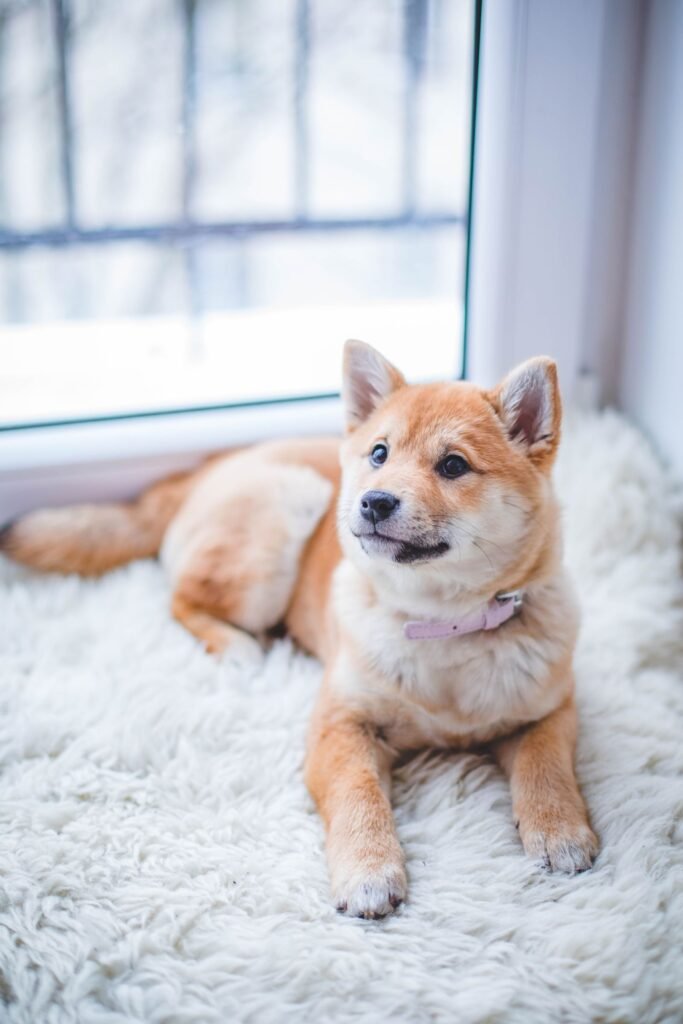
Seeing mucus or a streak of blood in your puppy’s stool is frightening, and it is one of the most common reasons new puppy owners call the vet. Often, the underlying problem is colitis — inflammation of the colon, the final stretch of the large intestine. Puppy colitis is common and usually manageable, but it is very different from an ordinary upset stomach.
The key point up front: colitis describes inflamed tissue, not a single disease. Treatment depends entirely on what is causing the inflammation, and only a vet can identify that cause. This article explains what colitis in puppies looks like, what typically causes it, and what a vet visit involves — so you know what is urgent and what to expect next.
What Is Colitis in Puppies?
Colitis is inflammation of the colon. When the colon is inflamed, it cannot absorb water properly and becomes irritable. The result is the classic colitis pattern: frequent trips outside to pass small amounts of loose, mucus-coated stool, often with straining and urgency.
Puppies are more vulnerable than adult dogs because their immune systems are still developing, their gut bacteria are still settling, and they are going through intense change — a new home, new food, vaccinations, and first encounters with the wider world. Colitis can be acute, lasting a few days, or chronic, meaning it keeps coming back or lingers for weeks.
Colitis in Puppies: Signs to Watch For
Puppy colitis symptoms tend to follow a recognizable pattern, though not every puppy shows all of them:
- Frequent, small, loose stools — many trips a day, passing only a little each time
- Mucus in the stool, giving it a slimy or jelly-like coating
- Small amounts of fresh, bright-red blood in or on the stool
- Straining or discomfort when passing stool, sometimes with restlessness
- Sudden urgency, gas, belly gurgling, and sometimes a hunched posture
- Vomiting in some cases, though diarrhea is the hallmark sign
A puppy with mild colitis often still eats, drinks, and plays normally between trips outside. That is reassuring, but do not wait it out on your own — especially in a very young puppy, where dehydration can develop fast.
Colitis vs Ordinary Diarrhea: How to Tell the Difference
Owners often ask whether their puppy has colitis or just an ordinary bout of diarrhea. The two overlap, but the pattern is usually different. This table is a guide for your conversation with your vet, not a diagnosis.
| Feature | Colitis (large-bowel pattern) | Ordinary diarrhea (small-bowel pattern) |
|---|---|---|
| Stool amount per trip | Small amounts, passed often | Larger amounts, passed less often |
| Frequency | Many trips a day, with urgency | A few loose stools a day |
| Mucus | Common, often obvious | Uncommon |
| Blood | Small amounts of fresh red blood possible | Less common; dark, tarry stool is a different warning sign |
| Straining | Common | Less common |
If you see mucus, straining, or frequent small stools, colitis is a strong possibility — but only your vet can confirm it, because parasites and infections can look very similar.
What Causes Colitis in Puppies?
There is no single cause. The most common ones your vet will consider include:
Stress. Stress colitis in puppies is extremely common. Moving to a new home, a stay in kennels, a house move, or a new pet in the family can trigger it, often a day or two after the event.
Sudden diet changes. Switching food brands overnight, too many new treats at once, or rich table scraps can all irritate a puppy’s colon. Gradual food transitions over about a week, with new foods introduced one at a time, are much safer.
Eating something they should not have. Puppies explore the world with their mouths. Garbage, spoiled food, and non-food objects can inflame the colon — and in some cases cause a blockage, a separate emergency.
Parasites. Intestinal parasites such as whipworms and Giardia are common in puppies and a frequent cause of colitis-type signs. This is why a stool sample matters at the vet visit: parasites are treatable, but they must be identified first.
Infections and food sensitivity. Bacterial infections, including certain strains of Clostridium, and viral infections can inflame the colon. Some puppies also react to a specific dietary ingredient; when colitis keeps coming back, a vet may try a dietary trial to find the trigger.
Red Flags: When Puppy Diarrhea Is an Emergency
Most mild cases are not emergencies, but some signs mean your puppy needs a vet now, not at the next available appointment. Contact your vet immediately — or an emergency clinic out of hours — if you see:
- Blood in the stool that is more than a small streak, or dark, tarry stools
- Lethargy, weakness, or a puppy suddenly much less playful than usual
- Vomiting along with the diarrhea, especially repeated vomiting
- Refusal to eat or drink, or signs of dehydration such as dry gums
- A very young puppy (under about 12 weeks), or one not yet fully vaccinated
- Watery, profuse diarrhea, or diarrhea lasting more than a day or two
The parvo question is the reason for urgency in young puppies. Canine parvovirus causes severe, often bloody diarrhea with vomiting and rapid deterioration, and it can be fatal without prompt veterinary care. Early signs of parvo and colitis can look alike, which is why a vet should assess any puppy with bloody diarrhea rather than an owner trying to tell the two apart at home. If your puppy is unvaccinated or only partly vaccinated and develops bloody diarrhea, treat it as urgent.
How Do Vets Diagnose Colitis in Puppies?
A vet visit usually starts with questions: when did the signs start, what has your puppy eaten recently, has anything changed at home, and is your puppy still eating and drinking? Bringing a fresh stool sample — or at least a clear photo of the stool — genuinely helps, because it lets the vet test for parasites.
Depending on the case, your vet may examine your puppy, test a stool sample for parasites such as Giardia and whipworms, run blood tests if your puppy is lethargic, vomiting, or very young, or consider imaging if a blockage is suspected. In many mild cases, the history, exam, and stool test are enough for a working diagnosis; a dietary trial may follow if the problem keeps returning.
What Is the Treatment for Puppy Colitis?
Puppy colitis treatment always starts with the cause, which is why there is no single standard treatment. Common elements of a vet-guided plan include:
- A short-term dietary change. Vets often recommend a bland, easily digestible diet for a few days while the colon settles, then a gradual return to normal food. Plain, cooked chicken is a classic bland-diet ingredient — our guide to can dogs eat chicken covers how to prepare it safely.
- Parasite treatment if parasites are found, prescribed for that specific parasite.
- Medication matched to the cause — gut-specific anti-inflammatories, antibiotics for a confirmed bacterial infection, or probiotics. These are prescription decisions for your vet, not over-the-counter choices to make at home.
- Stress management for stress colitis: a calm routine, a quiet resting place, and no further big changes while your puppy recovers.
- A longer-term plan for recurring cases, such as a dietary trial, further testing, or a specialist referral.
Do not try to treat puppy colitis at home with leftover medication, human medicines, or home remedies found online. Some human gut medicines are unsafe for dogs, and masking symptoms can delay treatment of something serious. Keep food simple until you have spoken to your vet, and let the vet decide the treatment.
What Should I Feed a Puppy With Colitis?
Feeding during a colitis episode is a vet-guided decision. In general, vets often advise a short period of bland, easily digestible food, followed by a gradual transition back to a complete puppy diet:
- Follow your vet’s diet advice, not a blog’s recipe. The right diet depends on the cause.
- Change food gradually. Mix normal food back in over several days — sudden changes are themselves a colitis trigger.
- Skip the extras for now. Hold off on new treats, chews, and table scraps until stools are normal, then reintroduce things one at a time — our guide to can dogs eat pears covers that moderation logic for treats.
- Keep fresh water available at all times. Diarrhea loses fluid, and puppies dehydrate faster than adult dogs.
A mild episode often settles within a few days once the trigger is removed and the vet’s plan is followed. If stools are not improving within a couple of days, or if they get worse, go back to your vet rather than waiting. If your puppy has repeated episodes, keep a simple log — dates, stool appearance, food, treats, and stressful events — because patterns in that log often lead your vet to the cause.
Frequently Asked Questions
+ What is colitis in puppies?
Colitis is inflammation of the colon, the last part of the large intestine. In puppies it typically causes frequent small, loose stools, often with mucus and sometimes a small amount of fresh blood, plus straining and urgency.
+ What causes colitis in puppies?
The most common causes are stress, sudden diet changes, eating something inappropriate, intestinal parasites such as Giardia and whipworms, infections, and food sensitivities. Treatment depends on which cause your vet identifies.
+ How do vets diagnose colitis in puppies?
Through the puppy’s history, a physical exam, and usually a stool sample tested for parasites. Blood tests or imaging may be added if the puppy is lethargic, vomiting, very young, or not improving. A stool sample or clear photo genuinely helps your vet.
+ What is the treatment for puppy colitis?
Treatment follows the cause: a short-term bland diet, parasite treatment if parasites are found, medication matched to the diagnosis, and stress reduction for stress colitis. Recurring cases may need a dietary trial or further testing. Your vet decides the plan — do not use leftover or human medicines at home.
+ What should I feed a puppy with colitis?
Follow your vet’s advice — often a short period of bland, easily digestible food, then a gradual return to a complete puppy diet over several days. Keep fresh water available at all times, hold off on new treats until stools are normal, and change foods gradually to avoid triggering another episode.
+ When is puppy diarrhea an emergency?
See a vet immediately if there is more than a small streak of blood, dark tarry stools, lethargy, repeated vomiting, refusal to eat or drink, or if the puppy is very young or not fully vaccinated. Bloody diarrhea in an unvaccinated puppy is urgent because parvovirus can look similar at first.
Sources
- VCA Animal Hospitals — Colitis in dogs: https://vcahospitals.com/know-your-pet/colitis-in-dogs
- PetMD — Colitis in dogs: https://www.petmd.com/dog/conditions/digestive/colitis-dogs
- Merck Veterinary Manual — Colitis in small animals: https://www.merckvetmanual.com/digestive-system/diseases-of-the-stomach-and-intestines-in-small-animals/colitis-in-small-animals
This article is general information, not veterinary advice. If your puppy has diarrhea with blood or mucus, is lethargic, vomiting, or not eating or drinking, contact a vet promptly.