
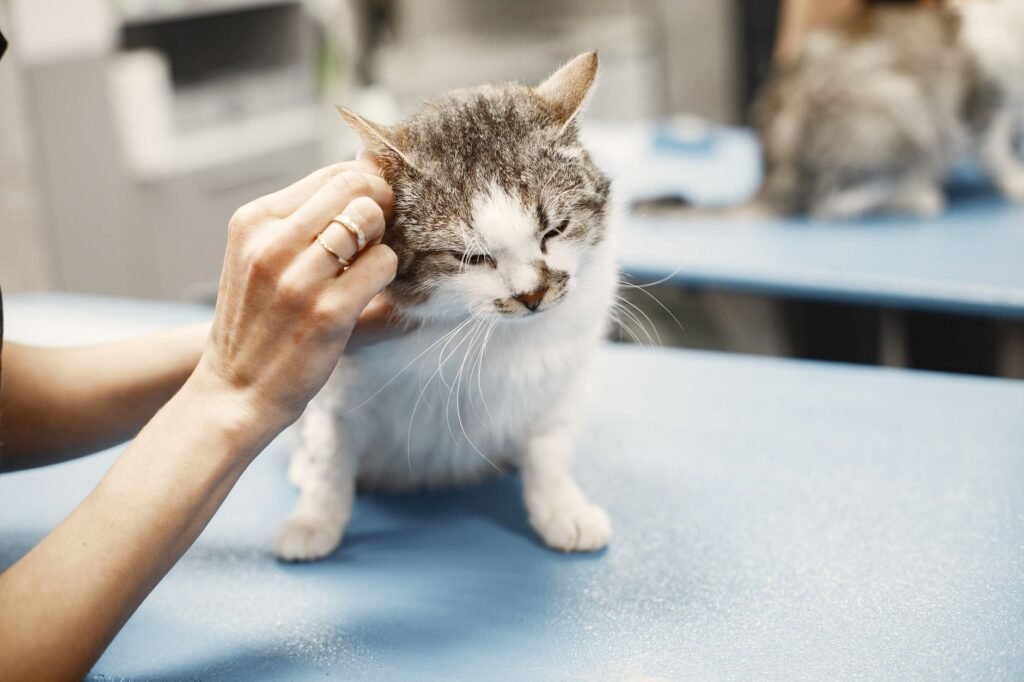
Felv: Complete Guide
Feline leukemia virus, usually called FeLV, is one of the most common infectious diseases in cats — and one of the most misunderstood. It affects about 2–3% of cats in the United States and Canada, weakens the immune system, and is the most common cause of cancer in cats, according to the Cornell Feline Health Center. There is no cure, but many cats with FeLV live normal, comfortable lives for years with the right care. This guide explains what FeLV is, how it spreads, the signs to watch for, how vets test for it, and how to care for a FeLV-positive cat.
What is FeLV?
FeLV is a retrovirus, which means it can insert itself into a cat’s DNA and may stay in the body for life. It suppresses the immune system, leaving a cat vulnerable to infections a healthy cat would fight off, and it can also cause blood disorders and cancers such as lymphoma and leukemia.
FeLV is not the same as FIV (feline immunodeficiency virus), although the two are often mentioned together. It only affects cats — it cannot be passed to people, dogs, or other animals — and no breed is immune, from a Norwegian Forest Cat to a mixed-breed rescue.
How does FeLV spread?
Infected cats shed the virus mainly in saliva, but it is also present in feces, urine, and milk. Close, friendly contact spreads it most often — mutual grooming, bite wounds from fighting, and sharing food dishes, water bowls, and litter boxes. An infected mother can also pass FeLV to her kittens before birth or while nursing. See our guide on how long cats are pregnant for what to expect if your cat is expecting.
FeLV does not survive long outside a cat’s body — probably less than a few hours under normal household conditions — so a cat is unlikely to catch it from the environment without prolonged close contact with an infected cat.
Cats at greatest risk live with infected cats or cats of unknown status, roam outdoors unsupervised where they may be bitten, or were born to infected mothers. Kittens face much higher risk because their immune systems are still developing — see our kitten food guide for the extra care young cats need.
Signs and symptoms to watch for
Early on, infected cats often show no signs at all. Over weeks, months, or even years, health may slowly decline, or the cat may cycle between illness and relative health. Signs that can appear include:
- Loss of appetite and progressive weight loss
- Poor coat condition and persistent fever
- Pale gums, gingivitis, and mouth inflammation (stomatitis)
- Enlarged lymph nodes
- Recurring infections of the skin, bladder, and upper respiratory tract, and persistent diarrhea
- Seizures, behavior changes, and other neurological disorders
- Eye conditions and reproductive failures
Because these signs overlap with many other illnesses, they never confirm FeLV on their own. Only testing can do that.
How is FeLV diagnosed?
More than one test is usually needed, because a cat’s body can react to FeLV in different ways — no single test at one time point confirms a progressive infection.
The first step is usually an ELISA blood test, which detects a viral protein called FeLV P27. If it is positive, the vet may follow up with an IFA test, which detects P27 inside white blood cells and platelets — a sign the bone marrow is involved. A PCR test can detect whether the virus has entered the cat’s genome, even when it is not actively replicating, and confirms a positive ELISA.
False positives are possible, so confirm any positive result, and repeat testing 3–6 weeks after a recent exposure and again 6–12 weeks later to determine whether the infection is progressive or regressive.
After exposure, roughly 20–30% of cats eliminate the virus completely (abortive infection) and become immune. About 30–40% develop a regressive infection, in which the virus sits quietly in the genome and the cat cannot infect others, though it can reactivate if the cat becomes immunosuppressed. The remaining 30–40% develop a progressive infection, in which the bone marrow is infected and the virus keeps replicating — the worst prognosis, and kittens face much higher risk of it than adults.
Is there a cure? Treatment and everyday care
There is currently no definitive cure for FeLV. Some therapies can lower the amount of virus in the bloodstream, but they may have significant side effects and are not effective or available in every case. In practice, vets treat the specific problems a FeLV-positive cat develops — antibiotics for bacterial infections, for example, or blood transfusions for severe anemia.
Day-to-day care matters most. Keep a FeLV-positive cat indoors, feed a complete, balanced diet, keep stress low, and schedule regular check-ups. Cornell recommends watching weight, appetite, activity, elimination habits, and the mouth and eyes closely — any change should prompt an immediate call to the veterinarian.
How to prevent FeLV
The only sure way to protect a cat is to prevent exposure to infected cats. Keep cats indoors or supervise outdoor access, test every cat before bringing it home, and house infected and uninfected cats separately, with their own bowls and litter boxes. If one cat tests positive, test all the others too.
Vaccination is available. It will not protect 100% of cats vaccinated, but it is recommended for cats at risk of exposure, and Cornell notes it is now a core vaccine for kittens. Talk to your veterinarian about your cat’s risk. Vaccinated cats will not test falsely positive.
When to call a vet
Call your veterinarian right away if a FeLV-positive cat stops eating, loses weight, develops a fever, has persistent diarrhea or vomiting, shows pale or inflamed gums, has wounds that will not heal, or has a seizure or sudden behavior change. Because FeLV weakens the immune system, minor-looking problems can become serious quickly — do not wait to see if it passes.
Frequently asked questions
Can humans catch FeLV from a cat?
No. FeLV only affects cats. It cannot be transmitted to people, dogs, or any other animal.
Can a FeLV-positive cat live with other cats?
Ideally, infected and uninfected cats should be housed separately. If they must share a home, test every cat, decide with your veterinarian, and never let them share food dishes, water bowls, or litter boxes.
How long do cats live with FeLV?
It varies. Cornell reports a median survival time of 2.5 years after diagnosis, but cats with a regressive infection often live much longer with good care.
Should my cat be vaccinated against FeLV?
Vaccination is recommended for cats at risk of exposure, such as indoor-outdoor cats, and is now a core vaccine for kittens. Ask your veterinarian about your cat’s risk.
Sources
- Cornell University College of Veterinary Medicine, Cornell Feline Health Center — Feline Leukemia Virus: https://www.vet.cornell.edu/departments/cornell-feline-health-center/health-information/feline-health-topics/feline-leukemia-virus
- PetMD — Feline Leukemia Virus (FeLV): https://www.petmd.com/cat/conditions/infectious-parasitic/feline-leukemia-virus-felv
- Merck Animal Health USA — Feline Leukemia: https://www.merck-animal-health-usa.com/condition/feline-leukemia/