
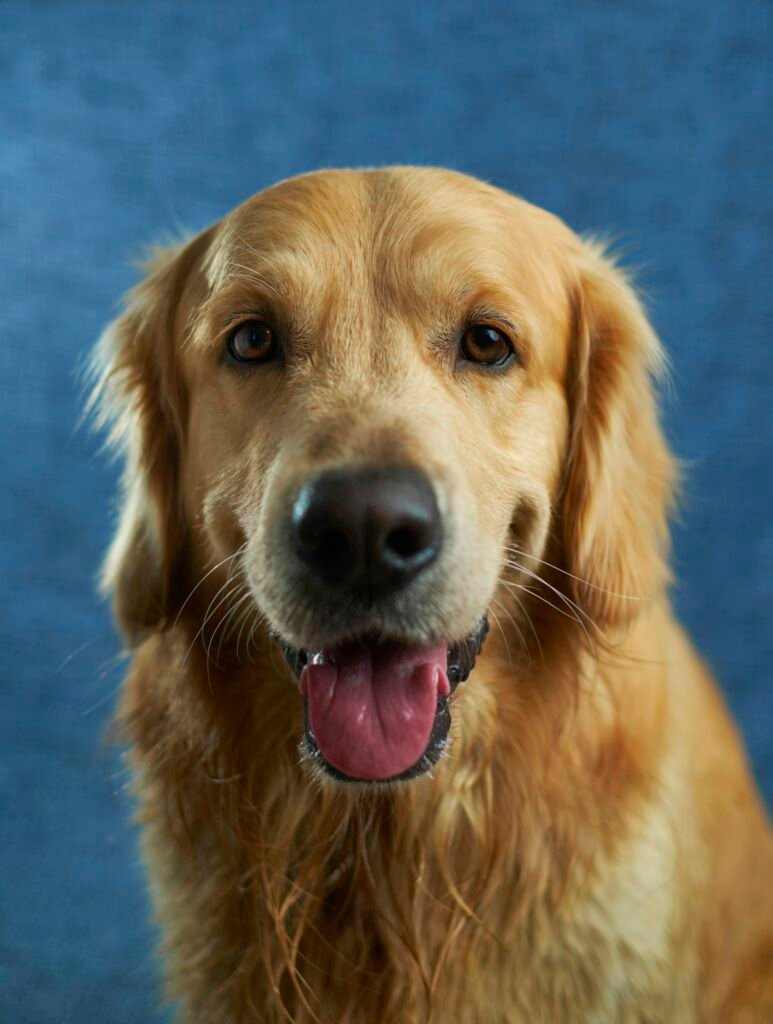
A red golden retriever is not a separate breed. It is a golden retriever whose coat sits at the dark end of the breed’s normal color range — a deep gold that can look mahogany or reddish in sunlight. Same breed, same breed standard, darker shade.
That distinction matters, because much of what is sold online about “red goldens” is misleading. Some pages imply that red means a different breed, a rarer dog, or a guaranteed temperament. None of that is true. “Red golden retriever” is an informal label, not an official variety recognized by the American Kennel Club (AKC), whose breed standard describes the golden’s coat as a “rich, lustrous golden of various shades.”
What Is a Red Golden Retriever?
A red golden retriever is a purebred golden retriever with a dark golden to reddish coat. Puppies are often born lighter and darken as their adult coat comes in, so a puppy’s final shade is not always obvious in the first months.
The label is closely tied to working lines: goldens bred for field work are often darker than show-ring goldens, because field breeders select for working ability rather than a lighter, fuller coat. That is why “red,” “dark,” and “field” golden are often used almost interchangeably — but “red” describes color, while “field” describes a line bred for work. Owners often ask whether a dark golden counts as a “red golden”: honestly, there is no official dividing line, and if the coat is a deep, reddish gold, both descriptions fit.
Red Golden Retriever vs Golden Retriever: Show Line vs Field Line
The most useful comparison is not red versus golden. It is show line versus field line, because that is where real differences in build, coat, and energy tend to appear. Color alone does not decide a dog’s temperament. Crosses add another option: the Golden Mountain Dog, a Golden Retriever x Bernese Mountain Dog mix, blends the Golden’s temperament with a larger, calmer frame.
| Trait | Show-line golden retriever | Field-line golden retriever |
|---|---|---|
| Build | Stockier, heavier bone, broader head | Leaner, more athletic, slightly smaller frame |
| Coat | Longer, fuller, often lighter gold | Shorter, denser, often darker gold or red |
| Energy | Active, but usually settles more easily at home | High drive, needs a real job or demanding exercise |
| Best fit | Family companion, show, therapy work | Active owners, hunting, dog sports, field trials |
A field-line red golden is not automatically “hyper,” and a show-line golden is not automatically calm. Individual temperament varies widely within both lines, and training, socialization, and daily exercise matter far more than coat shade. Color variation within a single breed is not unusual: our guide to the white labrador explains the same idea in Labradors, where a lighter or darker coat does not make a different breed.
Temperament: Are Red Golden Retrievers More Hyper?
Red golden retrievers are not more hyper because of their coat color. Coat color does not cause behavior. What owners often notice is that many darker goldens come from field lines, and field-line dogs are bred to work all day — so they tend to have more drive and stamina than a show-line dog.
In general, golden retrievers of every shade are friendly, eager to please, and social. The AKC describes the breed’s temperament as friendly, reliable, and trustworthy, and goldens are famously good with children and other dogs when properly socialized. A field-line red golden will usually still be friendly and affectionate — it will just need more exercise and mental work to be content.
Size and Lifespan: How Big Do Red Golden Retrievers Get?
Red golden retrievers grow to standard golden retriever size. Under the AKC standard, adult males stand 23 to 24 inches at the shoulder and weigh 65 to 75 pounds, while adult females stand 21.5 to 22.5 inches and weigh 55 to 65 pounds. Field-line dogs often sit at the lighter, leaner end of those ranges, but they are not a miniature or separate size class.
Most goldens reach full height by around 12 months and fill out over the following year. Their typical lifespan is 10 to 12 years.
Coat, Shedding, and Grooming
Do red golden retrievers shed more? No — coat color does not change how much a dog sheds. All golden retrievers shed heavily, especially during seasonal coat blows in spring and fall. A field-line dog’s shorter coat may look tidier and dry faster after a swim, but it still sheds.
A simple grooming routine keeps the coat healthy and the shedding manageable:
- Brush 2 to 3 times a week. Use a slicker brush or undercoat rake, working through the feathering on the legs, chest, and tail where tangles form.
- Brush daily during heavy shedding seasons. A few extra minutes during a coat blow makes a real difference around the house.
- Bathe only when needed. Over-bathing strips the coat’s natural oils; every month or two, or after a muddy swim, is plenty for most goldens.
- Check ears weekly. Goldens’ floppy ears trap moisture, so look for redness, odor, or discharge and clean gently as your vet advises.
- Trim nails and brush teeth regularly. Nail trims every few weeks and regular tooth brushing are basic care for any large breed.
Grooming takes time for any large, heavily coated breed — our Leonberger care guide covers the same brushing rhythm for an even larger, longer-coated dog.
Exercise and Training
A red golden retriever, especially one from field lines, needs physical exercise and mental work every day. Aim for at least one to two hours of activity for a healthy adult, split across walks, play, and training, and adjust to your individual dog and your vet’s advice.
Goldens are intelligent and eager to please, and they respond best to positive reinforcement — rewards, praise, and short, fun sessions rather than harsh corrections:
- Socialize early. Introduce your puppy gradually to different people, dogs, sounds, and places so it grows into a confident adult.
- Teach sit, stay, come, and loose-leash walking first. These are the commands that keep a strong, enthusiastic dog safe and manageable.
- Use food rewards wisely. Keep total treats within about 10% of daily calories so training does not lead to weight gain. Our guide to can dogs eat pears follows the same plain-and-moderate logic for fruit treats.
- Give the dog a job. Retrieving games, scent work, swimming, or a dog sport channel a field-line dog’s drive far better than a walk around the block alone.
- Keep sessions short and end on a success. Five to ten focused minutes beat a long, frustrating session for most dogs.
Health: What to Know Before You Commit
Golden retrievers are generally healthy dogs, but the breed has well-documented health concerns every prospective owner should know about. According to PetMD and veterinary references, goldens are prone to cancer — one of the highest cancer rates of any breed — as well as hip and elbow dysplasia, eye conditions such as cataracts, and skin and ear problems.
None of this means your dog will develop these conditions, and no breeder can guarantee a disease-free dog. What you can do is choose a breeder who health-tests breeding dogs for hips, elbows, eyes, and heart; keep your dog at a healthy weight, since extra weight worsens joint problems; and keep up with regular vet checkups.
Consult a vet promptly if you notice limping or stiffness, unexplained weight loss, lumps that grow or change, cloudy eyes, or persistent ear redness and odor. This guide is general information, not veterinary advice — for any health concern or treatment decision, always consult a vet, and never try to diagnose or treat a serious condition at home.
Will the Coat Stay Dark Red as an Adult?
Usually, yes — with a caveat. A puppy’s coat often lightens or darkens as the adult coat grows in, and the feathering on the ears, chest, and tail is often the best early clue to the adult shade. Most dogs that look dark red as young adults keep a dark coat for life, though sun exposure can lighten the outer coat and some greying around the muzzle is normal with age.
Is a Red Golden Retriever Right for You?
A red golden retriever is right for you if you want a friendly, trainable, active companion and can give it daily exercise, grooming, and training. It suits active families, owners who enjoy the outdoors, and people interested in dog sports or field work.
Frequently Asked Questions
+ Is a red golden retriever a separate breed?
No. A red golden retriever is a golden retriever with a darker, reddish-gold coat. “Red” is an informal label for a shade within the breed’s normal color range, not a separate breed.
+ What is the difference between a red golden retriever and a regular golden retriever?
The main difference is coat color: red goldens sit at the dark end of the golden range. Red goldens also often come from field lines, so they may be leaner and more energetic than show-line goldens, but that is a difference of line, not of breed.
+ Are red golden retrievers more hyper?
Not because of their color. Many red goldens come from field lines bred for all-day work, so they may have more drive and need more exercise, but temperament varies individually and training and exercise matter far more than shade.
+ How big do red golden retrievers get?
Males 23 to 24 inches tall and 65 to 75 pounds; females 21.5 to 22.5 inches tall and 55 to 65 pounds, under the AKC standard. Field-line dogs are often leaner but still within the breed’s normal size range.
+ Do red golden retrievers shed a lot?
Yes, like all golden retrievers, red goldens shed heavily, especially in spring and fall. Color does not change shedding. Brushing 2 to 3 times a week, daily during heavy shedding, keeps it manageable.
+ Are red golden retrievers rare?
No. Dark gold is a normal shade within the golden retriever breed and dark-coated goldens are common, especially in field lines. A premium price for “rare” red goldens is marketing, not a sign of a rare breed.
Another high-energy sporting breed built for field work is the Vizsla dog breed — a Hungarian pointer with similar exercise needs and a famously close bond with its owner.
For the full picture, see how long Golden Retrievers live, including the health issues that most affect their lifespan.
Sources
- American Kennel Club — Golden Retriever breed standard: https://www.akc.org/dog-breeds/golden-retriever/
- Golden Retriever Club of America — Breed history and standard: https://grca.org/
- PetMD — Golden Retriever breed guide: https://www.petmd.com/dog/breeds/golden-retriever
- VCA Animal Hospitals — Hip dysplasia in dogs: https://vcahospitals.com/know-your-pet/hip-dysplasia-in-dogs
Pingback: Golden Mountain Dog: Traits, Temperament & Care Guide
Pingback: Golden Shepherd: German Shepherd Golden Retriever Mix Guide