
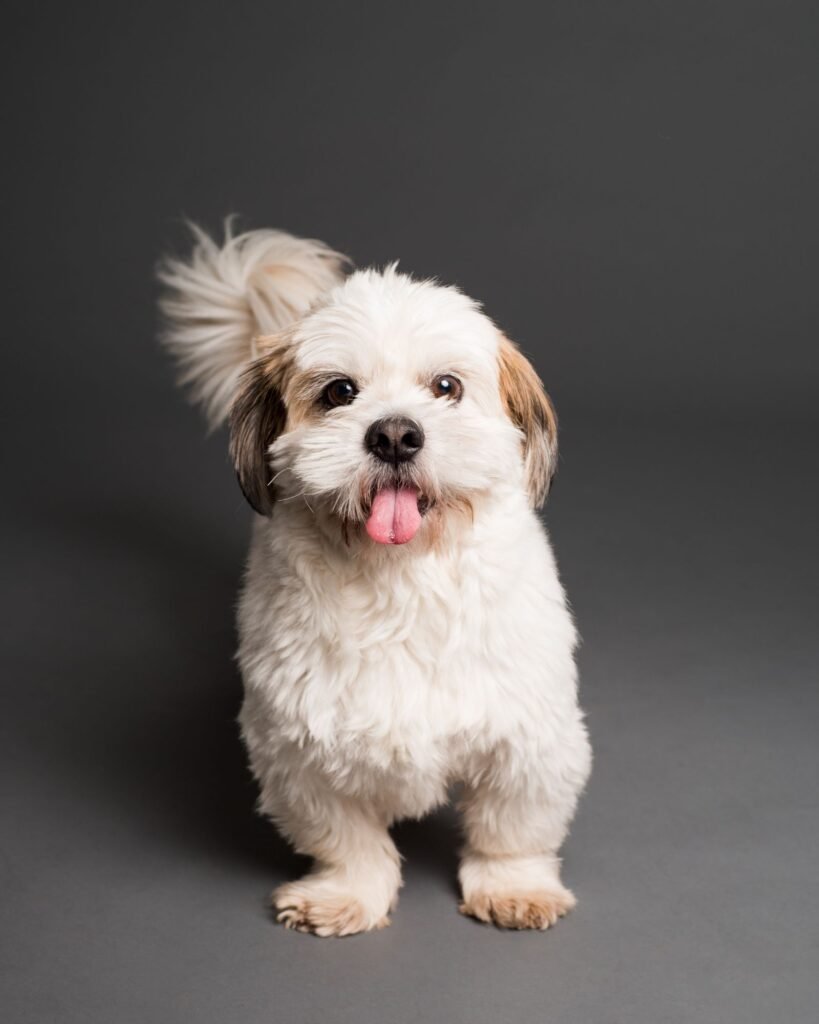
Best Small Dog Breeds for Families, Apartments & Kids
Short answer: The best small dog breeds for most families are the Cavalier King Charles Spaniel, French Bulldog, Shih Tzu, Pug, and Dachshund, because they combine a manageable size with a friendly, people-oriented temperament. For apartments, quieter, lower-energy breeds such as the Cavalier, Shih Tzu, and Pug tend to work best. The right choice depends on your home, your children’s ages, and how much grooming and exercise you can provide.
What Counts as a Small Dog?
Small dog breeds are usually defined as dogs that weigh under about 22 pounds (10 kg) as adults, though definitions vary. Toy breeds are even smaller, typically under 12 pounds. Size alone does not tell you everything: a small dog can still be loud, energetic, or strong-willed, and some small breeds need more exercise and training than people expect. What small dogs do offer is practicality: they are easier to transport, need less space, usually cost less to feed, and can thrive in apartments where a large dog would struggle.
Small dogs also tend to live longer than large dogs, with many reaching 12 to 16 years, so choose a breed you can care for through every stage of its life.
Best Small Breeds for Families
Cavalier King Charles Spaniel. Cavaliers are often the first breed recommended for families. They are gentle, affectionate, and eager to please, and usually get along well with children, other dogs, and visitors. They enjoy a daily walk but are equally happy curled up on a lap. Their long coat needs brushing several times a week, and they can be prone to heart problems, so regular vet check-ups matter.
French Bulldog. French Bulldogs are sturdy, playful, and famously good-natured, with a clownish streak that children love. They need only moderate exercise and adapt very well to apartment living. Their flat faces, however, mean they can struggle in heat and may have breathing difficulties, so they should never be over-exercised in hot weather and should be kept cool in summer.
Shih Tzu. The Shih Tzu was bred as a companion dog, and it shows. These small, sturdy dogs are affectionate and happy to be the centre of family life. They do well in apartments, need only moderate exercise, and are usually gentle with kind children. Their long coat needs regular brushing, though many owners keep a shorter “puppy cut.” See our guide to the Shihpoo, a Shih Tzu and Poodle mix.
Pug. Pugs are cheerful, sociable little dogs with big personalities. They love people and are usually patient with children. They need moderate exercise and are prone to gaining weight, so measured meals matter. Like French Bulldogs, Pugs have flat faces and can overheat easily, so exercise should be gentle in warm weather.
Dachshund. Dachshunds, also known as sausage dogs, are bold, clever, and full of character. They suit families with older children who handle a long-backed dog gently. Their long backs make them prone to spinal problems, so a healthy weight and ramps instead of jumping from furniture can help. Our guide to breeds of sausage dogs covers the six varieties in detail.
Best Small Breeds for Apartments
Apartment living suits dogs that are relatively quiet, low-energy indoors, and content with shorter walks. The Cavalier, Shih Tzu, and Pug all fit well. The Maltese is another excellent apartment dog, though its long white coat needs regular grooming. The Italian Greyhound is quiet and elegant, but sensitive to cold.
Barking matters in apartments. Some small breeds, such as Miniature Schnauzers and many Terriers, are alert watchdogs that bark at every noise. If quiet matters, ask breeders honestly about barking, and train a reliable “quiet” cue from the start.
Best Small Breeds for Kids
No breed is automatically safe with children, and no dog should ever be left unsupervised with a young child. Some small breeds are generally more patient and sturdy, though. The Cavalier, Pug, French Bulldog, and Beagle tend to tolerate family life well. Beagles are famously friendly, though scent-driven and in need of secure fencing.
Breeds that need extra care around small children include the Chihuahua and the Yorkshire Terrier. Both are wonderful dogs, but they are tiny and fragile, and rough handling can injure them. For families with toddlers, a slightly sturdier small breed, or an adult rescue dog with a known temperament, is often a safer choice than a tiny puppy.
What to Consider Before Choosing
Think honestly about grooming, exercise, noise, and health. A long-coated breed such as a Shih Tzu needs brushing several times a week, while a short-coated Pug needs far less coat care but more attention to breathing and weight. High-energy breeds such as Jack Russell Terriers need much more exercise than their size suggests.
Small breeds are commonly prone to dental problems, because their small jaws crowd their teeth, so tooth brushing and vet dental checks matter. This is general information only: if your dog limps or shows signs of pain, consult a vet promptly rather than trying home remedies. Also consider adoption: an adult rescue dog’s size and temperament are already known.
Choosing the Right Small Dog for Your Home
The best small dog breed is the one that matches your daily life, not just the one that looks cutest in photos. Make a shortlist, meet the breeds in person if you can, talk to breeders or rescue groups about temperament and health, and be honest about the time you have for grooming, training, and exercise. When you have chosen, our list of dog names can help you find the perfect name for your new companion.
FAQ
What is the best small dog breed for first-time owners?
The Cavalier King Charles Spaniel is often recommended for first-time owners because it is gentle, eager to please, and relatively easy to train. Pugs and Shih Tzus are also forgiving choices for beginners.
Are small dogs good for apartments?
Yes, many small breeds thrive in apartments, especially quieter, lower-energy breeds such as Cavaliers, Shih Tzus, and Pugs. All dogs still need daily walks, play, and training, and barking levels should be considered in shared buildings.
What small dog breed is best with kids?
Cavaliers, Pugs, French Bulldogs, and Beagles are generally patient with children. Always supervise dogs and children together, and remember individual temperament matters more than breed alone.
Do small dogs need less exercise?
Not necessarily. Many small breeds need 30 to 60 minutes of daily activity, and high-energy breeds such as Terriers may need more. Exercise needs depend on the breed and the individual dog, not just its size.
How long do small dogs live?
Many small breeds live 12 to 16 years, longer on average than large breeds. That long lifespan means choosing a small dog is a commitment of well over a decade.
Sources
- American Kennel Club, Cavalier King Charles Spaniel breed information: https://www.akc.org/dog-breeds/cavalier-king-charles-spaniel/
- American Kennel Club, French Bulldog breed information: https://www.akc.org/dog-breeds/french-bulldog/
- American Kennel Club, Shih Tzu breed information: https://www.akc.org/dog-breeds/shih-tzu/
- American Kennel Club, Chihuahua breed information: https://www.akc.org/dog-breeds/chihuahua/
- ASPCA, dog care guidance: https://www.aspca.org/pet-care/dog-care
Related reading: Chiweenie (Chihuahua Dachshund Mix): Traits, Size & Care Guide — a small, bold Chihuahua-Dachshund mix.
Pingback: Chiweenie (Chihuahua Dachshund Mix): Traits, Size & Care Guide - PawMeridian
Pingback: Leonberger: Temperament, Size, Traits & Complete Care Guide - PawMeridian
Pingback: Miniature Poodle: Temperament, Size, Traits & Care Guide - PawMeridian
Pingback: Chinese Crested: Temperament, Traits & Complete Care Guide