
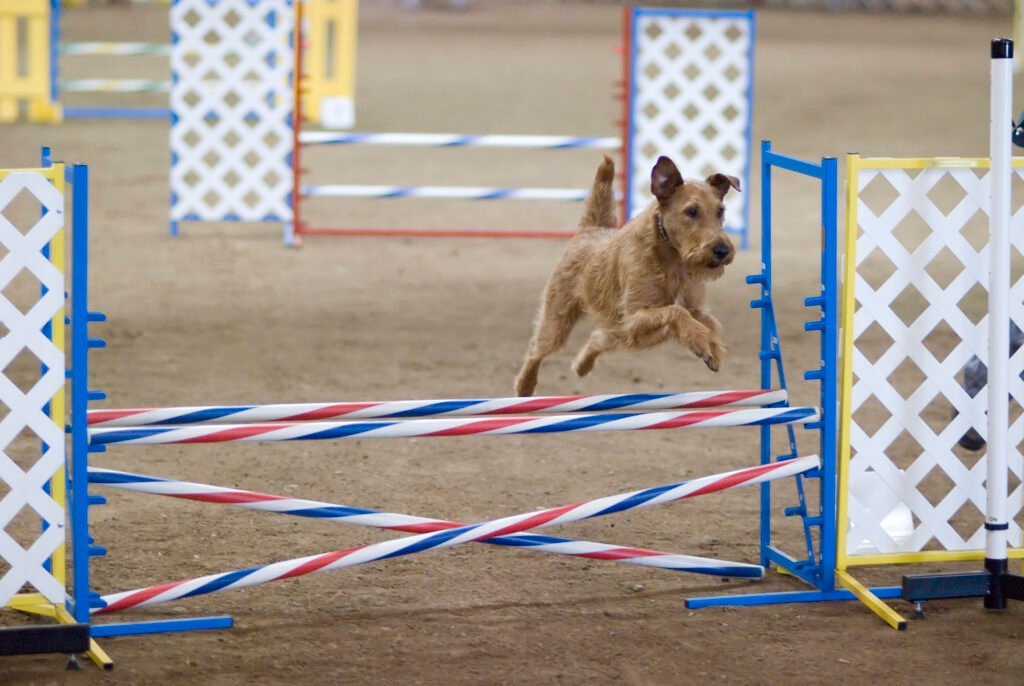
Terrier: Complete Guide
A terrier is not one breed — it is a whole group of dog breeds. The American Kennel Club (AKC) recognizes 31 terrier breeds, from the tiny Yorkshire Terrier to the Airedale Terrier, the largest of the group. What they share is a common history: they were bred in the British Isles to hunt and kill vermin, and they are still feisty, energetic, and tenacious today. If you want a dog with a big personality in a small-to-medium body, a terrier may be the right fit — but they are not the right fit for everyone.
What is a terrier?
The word “terrier” comes from the Latin word terra, meaning earth. These dogs were bred to go to ground after rats, foxes, and badgers, and to guard homes and barns. Terriers were also used in foxhunting and in the sport of ratting, where their speed, courage, and determination mattered more than their size.
Today the AKC groups terriers into one of its seven breed groups. Within the group there is a lot of variety: some are long-legged and fast, like the Airedale and Irish Terrier, while others are short-legged and low to the ground, like the Scottish Terrier and the Norfolk Terrier. But most terriers share the same core traits: they are alert, vocal, and always ready for action.
Terrier temperament
Terriers are famous for their personality. Here is what most terrier owners can expect:
- Feisty and fearless. Terriers were bred to take on animals bigger than themselves, and they still show that courage. They rarely back down.
- Energetic and playful. Most terriers need a lot of activity every day and love games, walks, and training.
- Tenacious and stubborn. Once a terrier decides to do something — chase a squirrel, dig a hole, bark at a noise — it can be hard to change their mind.
- Vocal. Terriers bark. They bark at strangers, at noises, and sometimes just because they are excited.
- Loyal and affectionate. Terriers bond closely with their people and are usually loving family dogs.
- Strong prey drive. Many terriers will chase small animals, including cats and squirrels, and some do not do well with other small pets.
- Can be quarrelsome with other dogs. Some terriers are fine with other dogs, but others prefer to be the only dog, especially with dogs of the same sex.
Terriers are intelligent, but their independence can make training a challenge. They respond best to firm, consistent, positive training — and to an owner who starts early and keeps at it.
Popular terrier breeds
Here are some of the best-known terrier breeds and what makes each one different:
- Airedale Terrier — the largest terrier, often called the “King of Terriers.” Smart, confident, and athletic.
- Staffordshire Bull Terrier — a stocky, muscular breed that is famously affectionate with people, including children.
- West Highland White Terrier (Westie) — a small, cheerful white terrier with a confident, friendly nature.
- Cairn Terrier — a small, shaggy terrier; the breed played Toto in The Wizard of Oz.
- Scottish Terrier (Scottie) — a short-legged, dignified breed with a distinctive beard.
- Bull Terrier — recognizable by its egg-shaped head; playful, mischievous, and strong-willed.
- Russell Terrier — a small, high-energy terrier (closely related to the Jack Russell) that needs a lot of exercise.
- Border Terrier — a small, friendly terrier that is often a good choice for active families.
- Miniature Schnauzer — a bearded, intelligent terrier that sheds very little.
- Irish Terrier — a medium-sized, red-coated terrier known for its bold, spirited nature.
- Welsh Terrier — a compact, black-and-tan terrier with a cheerful, outgoing personality.
- Norfolk and Norwich Terriers — two small, friendly breeds that are among the smallest terriers.
- Australian Terrier — a small, silky-coated terrier with a big personality.
- Bedlington Terrier — a lamb-like, gentle-looking terrier that is still a true terrier underneath.
- Kerry Blue Terrier — a medium-sized, blue-grey terrier that is loyal and protective.
- Wire Fox Terrier — a lively, white-coated terrier with a wiry coat and a playful streak.
If you are comparing breed groups, our Carolina dog guide covers a very different kind of dog — a primitive, independent breed with a much quieter temperament.
Exercise and training needs
Terriers need more exercise than their size suggests. A short walk around the block is rarely enough. Most terriers need at least an hour of activity a day — walks, play, and training combined — plus mental stimulation such as puzzle toys or scent games.
A bored terrier is a destructive terrier. Without enough to do, many terriers dig, bark, chew, or find their own entertainment (usually something you would rather they did not do). A tired terrier, on the other hand, is a happy terrier.
Training tips for terriers:
- Start early. Puppy classes and early socialization help a terrier learn to be calm around people, dogs, and new situations.
- Be consistent. Terriers test boundaries. Rules that change from day to day will be ignored.
- Use positive reinforcement. Treats and praise work far better than punishment, which can make a terrier more stubborn or fearful.
- Keep sessions short and fun. Terriers get bored quickly, so five minutes of focused training beats twenty minutes of drilling.
Grooming and care
Many terriers have wiry coats that need regular brushing to stay tidy, and some breeds need their coats hand-stripped — a grooming technique that removes dead hair by hand — to keep the coat’s texture and color. Short-coated terriers are lower maintenance, but all terriers need regular nail trims, ear checks, and dental care.
Like all dogs, terriers need regular vet checkups and should stay up to date with vaccinations. If you are bringing home a terrier puppy, check our puppy vaccine schedule so you know what shots they need and when.
Is a terrier right for you?
A terrier can be a wonderful companion for the right owner. They suit people who:
- Have an active lifestyle and enjoy walks, play, and training.
- Want a dog with a strong, entertaining personality.
- Can be patient and consistent with training.
- Have a securely fenced yard, or are committed to daily walks and play.
A terrier may not be the best choice if you want a quiet, low-energy dog, or if you have small pets such as rabbits or guinea pigs that a terrier might chase. Terriers can live in apartments — especially the smaller, calmer breeds — but only if they get enough exercise and mental stimulation every day.
If you have decided on a terrier, the next fun job is picking a name — our dog names guide has plenty of ideas.
FAQ
Are terriers good family dogs?
Many terriers are great family dogs, especially with older children who can play with them respectfully. Some terriers can be snappy with very young children, so supervision and early training matter.
Do terriers shed?
It depends on the breed. Some terriers, such as the Miniature Schnauzer and the Bedlington Terrier, shed very little. Others, such as the Border Terrier, shed moderately. Regular brushing helps either way.
Are terriers easy to train?
Terriers are smart, but they are also independent and stubborn, so training takes patience and consistency. They do best with short, fun, reward-based sessions and an owner who sticks to the rules.
Are terriers good apartment dogs?
Smaller terriers can do well in apartments if they get enough daily exercise and play. Without it, they can become bored, noisy, and destructive — so apartment living only works with a committed owner.
Pingback: Blue Nose Pitbull: Facts, Temperament, Traits & Care Guide - PawMeridian