
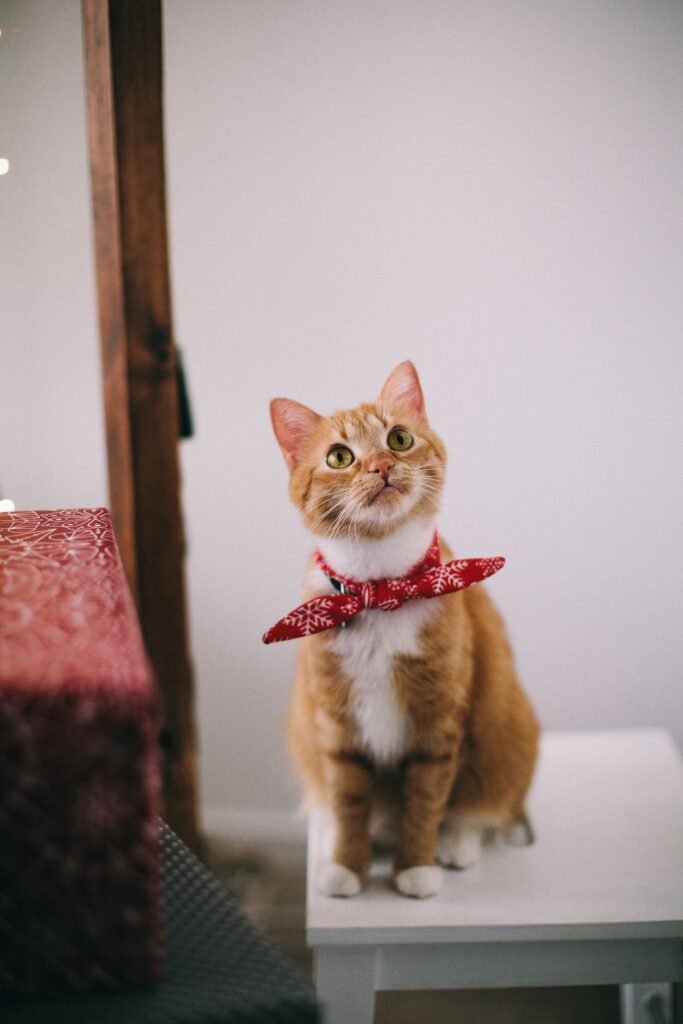
Why Does My Cat Lick Me? Reasons & What It Means
In short, a cat licking you is usually a sign of affection and trust. Cats groom the cats they feel closest to, and when your cat licks your hand, arm, or face, it is often treating you the same way it would treat a trusted feline companion. But licking is not always about affection — it can also be a way for a cat to explore tastes and scents, seek attention, or soothe itself. Occasional licking is normal, but sudden or excessive licking can sometimes point to stress or a medical problem, and that is worth a vet visit.
Grooming is one of the most important social behaviours in a cat’s life. Mother cats lick their kittens from birth, and adult cats that live together often groom each other — a behaviour known as allogrooming. Research on free-roaming cat colonies has found that allogrooming happens between cats that share a social bond; cats do not groom cats they are not close to. When your cat licks you, it is very likely extending that behaviour to you. In other words, you are family.
The Most Common Reasons Cats Lick People
1. Affection and Social Bonding
This is the most common explanation. Licking releases endorphins in a cat’s brain, making grooming a pleasurable, calming activity. When your cat settles next to you and starts licking your hand while purring, it is showing contentment and trust. Cats that lick their owners often also knead, head-butt, or rub against them.
2. You Taste or Smell Interesting
Cats have a highly developed sense of smell and taste. Sweat leaves a salty residue on skin that many cats find appealing, and traces of food, soap, or moisturiser can be just as tempting. If your cat only licks you after a workout or after you have handled food, taste is probably the main draw.
3. Seeking Attention
Cats quickly learn which behaviours get a reaction. If licking you reliably earns petting, talking, or a treat, your cat may repeat it deliberately. This is especially common in cats that are under-stimulated or left alone for long periods.
4. Self-Soothing and Stress Relief
Because grooming releases endorphins, cats sometimes lick people (and themselves) as a way to calm down. A cat that licks excessively after a stressful event — a move, a new pet, a vet visit — may be trying to comfort itself. In these cases the licking is a coping behaviour, and it is worth looking at what changed in your cat’s environment.
5. Marking You as Theirs
Cats have scent glands on their cheeks, head, and paws, and grooming transfers their scent onto the thing being groomed. When your cat licks you, it leaves its scent on you — one way cats mark members of their social group, the same instinct behind head-butting and cheek-rubbing.
When Licking Becomes a Problem
Occasional licking is nothing to worry about, but it deserves attention if you notice any of the following: a sudden change in behaviour, such as a cat that never licked you suddenly licking constantly; excessive self-grooming to the point of bald patches or skin irritation; licking of floors, walls, or other non-food surfaces; or other symptoms such as vomiting, diarrhoea, appetite changes, hiding, or aggression alongside the licking.
This article is general information, not a diagnosis. Only a vet who can examine your cat can tell you what is behind a change in behaviour, so do not try to diagnose the cause yourself.
How to Respond to Your Cat’s Licking
If you enjoy it, there is no harm in letting your cat lick you occasionally — just wash the area afterwards, since a cat’s mouth carries bacteria. If the licking bothers you, do not punish your cat; punishment damages trust and rarely changes behaviour. Instead, calmly redirect it: move your hand away, offer a toy, and reward calm behaviour with petting.
If your cat seems to lick out of boredom or anxiety, more play and enrichment can help. Interactive play sessions, puzzle feeders, and regular routines all reduce stress-related behaviours.
The Bottom Line
Most of the time, a cat licking you is a good sign — it means your cat trusts you and considers you part of its social group. Taste, attention-seeking, and self-soothing are also common, harmless reasons. Only when licking becomes sudden, excessive, or is paired with other symptoms should you be concerned, and then a vet visit is the right next step.
If your cat’s behaviour sometimes crosses from licking into nipping, you may find our guide to why cats bite their owners helpful. For more on feline behaviour in general, see our collection of fun cat facts.
FAQ
Is it normal for my cat to lick me every day?
Yes, daily licking is normal for many cats, especially if it is brief and your cat is otherwise healthy and relaxed. It becomes a concern only if the licking is sudden, constant, or paired with other changes such as overgrooming, appetite loss, or hiding.
Does my cat licking me mean it loves me?
In cat terms, yes — licking is a social grooming behaviour that cats reserve for those they trust and feel bonded to. It is one of the clearest affection signals a cat gives, alongside purring, kneading, and head-butting.
Should I let my cat lick my face?
It is best to discourage face licking. A cat’s mouth carries bacteria that can cause infection if they reach broken skin, eyes, or your mouth. Gently redirect your cat to your hand or arm instead, and wash the area afterwards.
Why does my cat lick me and then bite me?
This is common and usually means your cat has become overstimulated. Licking followed by a gentle nip is often a cat’s way of saying “enough.” Stay calm, withdraw your hand slowly, and give your cat space.
When should I take my cat to the vet for licking?
Book a vet visit if the licking starts suddenly, becomes excessive, involves licking objects or surfaces, causes bald patches or skin damage, or appears alongside vomiting, diarrhoea, appetite changes, or behaviour changes.
Cats are just as clear about what they hate as what they love — see what do cats not like for the sounds, smells and handling most cats cannot stand.
Sources
- PetMD — “Why Does My Cat Lick Me?” — https://www.petmd.com/cat/behavior/why-does-my-cat-lick-me
- Cornell University College of Veterinary Medicine, Feline Health Center — Feline Health Topics — https://www.vet.cornell.edu/departments-centers-and-institutes/cornell-feline-health-center/health-information/feline-health-topics
- Crowell-Davis, S. L., Curtis, T. M., & Knowles, R. J. (2004). “Social organization in the cat: a modern understanding.” Journal of Feline Medicine and Surgery, 6(1), 19–28 — https://doi.org/10.1016/j.jfms.2003.09.013
Related reading: Why Does My Dog Lick Me So Much? Reasons & What to Do — the dog side of the same question.
Pingback: Why Does My Cat Smell Bad? Causes & What to Check - PawMeridian
Pingback: Why Does My Dog Lick Me So Much? Reasons & Fixes