
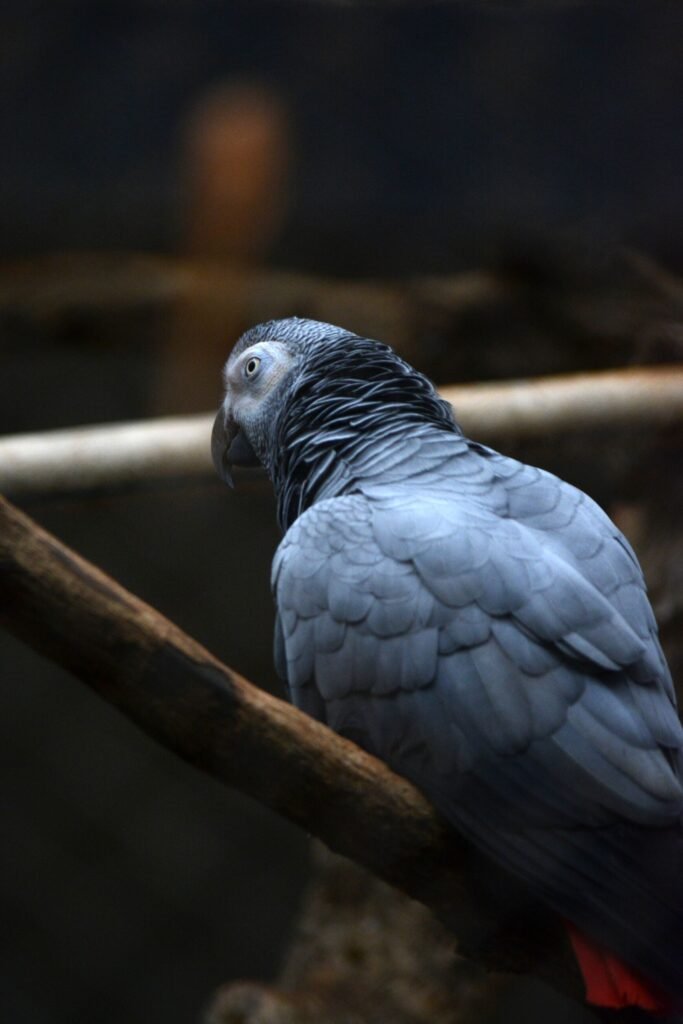
A parrot is not a pet you figure out as you go. Parrots are intelligent, social, long-lived birds — get the cage, diet, routine, and vet care right from day one, and you get a companion that talks, plays, and bonds with you for decades.
Are Parrots Good Pets for Beginners?
Yes — with honest expectations. Budgies and cockatiels are the usual first parrots: smaller, quieter, cheaper to keep, and more forgiving of beginner mistakes. Larger parrots — African greys, Amazons, and macaws — are louder, need much bigger cages, and can live 50 years or more, so they are poor first birds.
The honest test is time. A parrot needs several hours of interaction and supervised out-of-cage time every single day. If you are away eight or more hours a day with nobody else around, that is a real problem for a single parrot — a bored, lonely parrot often starts screaming or plucking its feathers. Think in decades before you buy — not as a holiday gift.
What Does a Parrot Need in Its Cage?
The most common beginner mistake is buying a cage that is too small. A parrot must spread its wings fully without touching the bars. Bigger is always better — the sizes below are minimums, not targets.
| Parrot size | Examples | Minimum cage size | Bar spacing | Typical lifespan |
|---|---|---|---|---|
| Small | Budgie, cockatiel | 18″ W × 18″ D × 24″ H | ½” | 10–20 years |
| Medium | Conure, quaker parrot | 24″ W × 24″ D × 30″ H | ⅝–¾” | 20–30 years |
| Large | African grey, Amazon | 36″ W × 24″ D × 48″ H | ¾–1″ | 40–60 years |
| Extra large | Macaw, cockatoo | 36″ W × 48″ D × 60″ H | 1–1½” | 50–80 years |
Bar spacing matters too: bars too wide let a small bird squeeze its head through. Inside, your parrot needs perches of different diameters and materials (natural wood beats smooth dowels), easy-to-clean bowls, and several toys to chew and shred. Place the cage in a bright, social room away from the kitchen, and cover it at night for 10 to 12 hours of sleep.
What Do Parrots Eat Every Day?
A parrot’s diet should be built on formulated pellets, with fresh fruit and vegetables daily and seeds as a small part of the mix — the same pellet-first approach in our cockatiel food guide works for parrots in general.
| Food group | Share of the daily diet | Examples |
|---|---|---|
| Pellets (parrot formula, sized to your bird) | 60–70% | Species-appropriate pellets |
| Fresh vegetables | 20–25% | Broccoli, carrots, kale, sweet potato, peppers |
| Fruit | 5–10% | Apple (no seeds), pear, berries, banana, melon |
| Seeds, nuts, and grains | Small share | Millet, oats, a few nuts — treats, not the meal |
| Treats | Occasional only | Millet spray, a walnut, whole-grain bread |
Offer fresh food in a separate bowl and remove it after a few hours so it does not spoil. Fresh water must be available at all times and changed daily. A seed-only diet is a common cause of illness in pet parrots — seeds are high in fat and low in vitamin A and calcium, and a seed-only bird risks vitamin A deficiency, obesity, and fatty liver disease.
Toxic Foods and Household Dangers
Never feed avocado, chocolate, caffeine, alcohol, onion, garlic, salt, apple seeds or fruit pits, raw dried beans, or anything containing xylitol. If your parrot eats any of these, contact your avian vet or an animal poison helpline right away.
The danger most new owners miss is not food — it is fumes. Overheated non-stick cookware (Teflon and other PTFE coatings) releases fumes that can kill a bird within minutes, even in another room. The same goes for scented candles, air fresheners, aerosols, and cigarette smoke. Keep your parrot’s cage out of the kitchen and never use non-stick pans on high heat nearby.
Your Daily Parrot Care Routine
Parrot care is a daily habit. A simple routine keeps your bird healthy and problems visible early:
- Morning: fresh food and water. Replace the water, refill the pellet bowl, and offer fresh vegetables and a little fruit.
- Clean the cage. Change the tray paper and wipe perches and bowls daily — it prevents bacteria and reveals droppings changes early.
- Out-of-cage time. Let your parrot out for at least 2 to 3 hours of supervised time outside the cage every day.
- Play and training. Talk to your bird, offer a foraging puzzle, and practise step-up for ten to twenty minutes.
- Evening: settle down. Offer a final small snack, tidy the cage, and cover it for 10 to 12 hours of sleep.
- Weekly: deep clean and weigh-in. Wash the cage, perches, and toys weekly and weigh your bird — a sudden weight change is an early sign of illness.
Social Needs, Enrichment, and Screaming
Parrots are flock animals, so a pet parrot treats you as its flock — and expects your company. Plan on at least 2 to 3 hours of direct interaction a day on top of out-of-cage time. Foraging toys, shreddable toys, and puzzle feeders keep a clever bird busy, and rotating them weekly stops boredom.
Screaming is normal parrot communication, especially at dawn and dusk. But all-day screaming usually means something is wrong: boredom, loneliness, lack of sleep, or a medical problem. Don’t reward screaming with attention or punish it — check the basics (food, water, sleep, toys, out-of-cage time) and reward quiet behaviour. If screaming starts suddenly or comes with changes such as eating less or sitting fluffed up, consult an avian vet.
Vet Care: Find an Avian Vet Before You Need One
Not every vet treats birds, so find an avian vet — a vet with specific bird training — before you bring your parrot home. Your parrot needs a check-up within the first few weeks, then at least once a year. If your bird stops eating, has different droppings, breathes with its beak open, or sits puffed up and quiet, that is an emergency — contact your avian vet the same day.
First-Time Parrot Owner Mistakes to Avoid
The most common mistakes are easy to avoid: a cage that is too small, a seed-only diet, keeping the bird in the kitchen near non-stick fumes, expecting a parrot to be quiet, and skipping the avian vet until the bird is already sick. A smaller species is a kinder first choice than a macaw — our quaker parrot guide is a good look at a medium-sized parrot, and our cockatiel lifespan guide shows how long even a small parrot can live.
Frequently Asked Questions
+ What does a parrot need in its cage?
A cage big enough to spread its wings fully, with bar spacing matched to the species, perches of different sizes, food and water bowls, and several chew toys. Cover it at night for 10 to 12 hours of sleep.
+ What do parrots eat every day?
Mostly formulated pellets (60 to 70%), plus fresh vegetables (20 to 25%), a little fruit (5 to 10%), and a small share of seeds or nuts. Never feed avocado, chocolate, caffeine, alcohol, onion, garlic, or apple seeds.
+ How long do pet parrots live?
Budgies and cockatiels 10 to 20 years, conures and quakers 20 to 30, African greys and Amazons 40 to 60, and macaws 50 to 80 years. A parrot is a decades-long commitment.
+ How much time do parrots need out of the cage?
At least 2 to 3 hours of supervised out-of-cage time daily, plus 2 to 3 hours of direct interaction. Without enough company and exercise, parrots become bored, loud, and stressed.
+ Are parrots good pets for beginners?
Yes, if you choose the right species and have the time. Budgies and cockatiels are the most beginner-friendly; larger parrots are louder, need much bigger cages, and can live 50 years or more.
+ How often should a parrot see a vet?
At least once a year, with a first check-up within a few weeks of bringing your parrot home — always with an avian vet. See the vet the same day if your bird stops eating, has unusual droppings, or sits puffed up and quiet.
Sources
- Lafeber Pet Birds — Parrot Care: https://lafeber.com/pet-birds/
- PetMD — How to Take Care of a Parrot: https://www.petmd.com/bird/care/how-take-care-parrot
- Association of Avian Veterinarians — Find a Vet: https://www.aav.org/
- ASPCA — People Foods to Avoid Feeding Your Pets: https://www.aspca.org/pet-care/animal-poison-control/people-foods-avoid-feeding-your-pets
Pingback: Types of parrots: Complete Guide, Facts & Care Tips - PawMeridian