
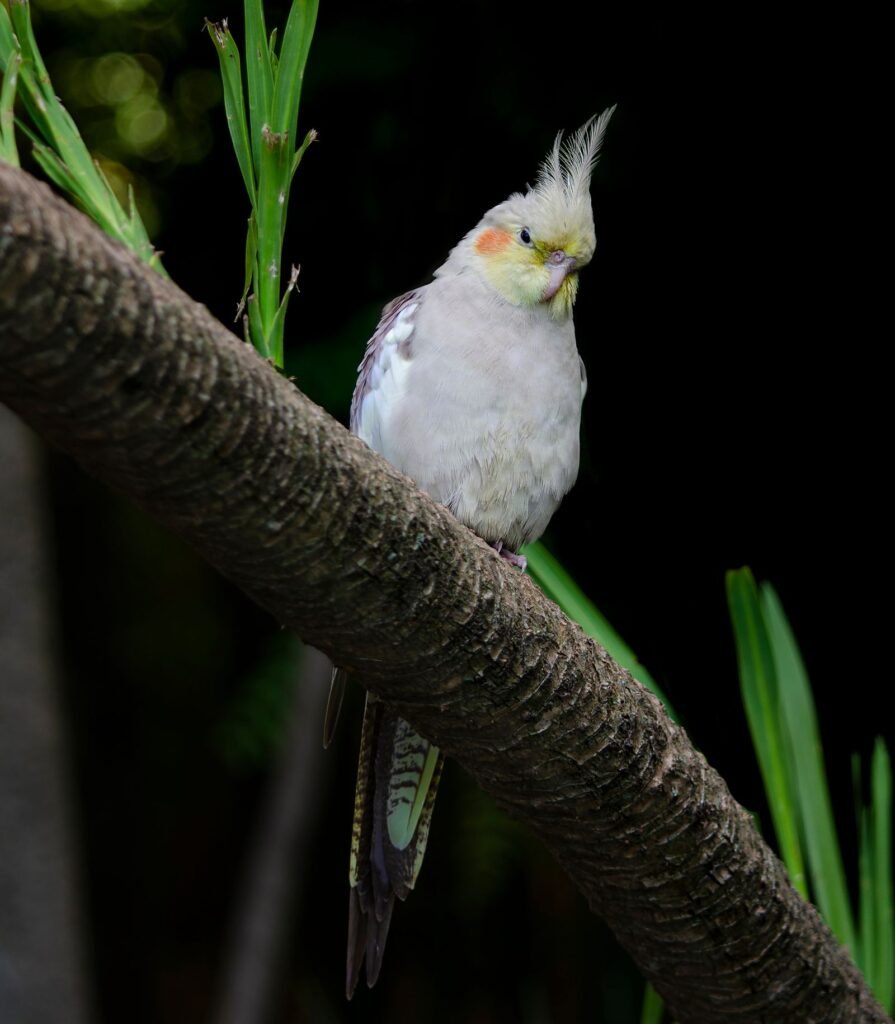
How long do cockatiels live? A pet cockatiel lives 15 to 25 years on average with good care, and some reach 30. Wild cockatiels live much shorter lives — about 10 to 14 years — because of predators, scarce food and harsh weather. That makes the cockatiel one of the longest-lived small parrots you can keep, and a genuine long-term commitment: bringing one home means caring for it for two decades or more.
The range is wide because lifespan is not fixed at birth. Diet, housing, vet care, sleep and genetics all push the number up or down. A bird on a seed-only diet in a small cage may only reach 12 years, while a bird on a pellet-based diet with daily out-of-cage time and an annual avian vet check can pass 25. This guide covers the numbers, the five factors that matter most, and the signs of aging to watch for.
How Long Do Cockatiels Live? Wild vs Pet
| Setting | Typical lifespan |
|---|---|
| Wild cockatiel (Australia) | 10–14 years |
| Pet cockatiel, average care | 15–20 years |
| Pet cockatiel, excellent care | 20–25 years |
| Best-case, exceptional birds | Up to 30 years |
Pet birds live longer than wild ones for a simple reason: they face no predators, food is always available, and illness gets treated instead of ending in death. The same pattern holds across parrots — our guide to the types of parrots shows how much lifespan varies between species, and cockatiels sit near the top for their size.
The oldest cockatiel on record is reported to have lived to 32 years (a bird named Sunshine). Guinness World Records verified a cockatiel named Frankie, born in 1992, at 31 years old in 2023. A few unverified reports claim up to 36 years. Treat those top numbers as the exception, not the promise — 15 to 25 years is the realistic range to plan for.
The 5 Factors That Decide a Cockatiel’s Lifespan
1. Diet — the single biggest factor
Diet is the biggest influence on cockatiel lifespan. A seed-only diet is the most common mistake: seeds are high in fat and low in vitamin A and calcium, and birds fed only seed commonly develop obesity, fatty liver disease and vitamin deficiencies. PetMD puts the typical pet range at 15 to 25 years, and reaching the top of that range starts with food.
Aim for pellets to make up about 50–60% of the diet, with fresh vegetables daily and fruit a few times a week, plus a small amount of seed as a treat rather than the main meal. Fresh water every day, and no avocado, chocolate, caffeine or alcohol — all are toxic to birds. Our what do parrots eat guide covers safe and unsafe foods in detail.
2. Cage size and daily exercise
A cockatiel needs room to move. The minimum cage size commonly recommended is 24″ × 24″ × 30″, with bar spacing narrow enough that the bird cannot get its head through. Bigger is always better — a cramped cage means a sedentary bird, and sedentary birds gain weight and lose muscle.
Out-of-cage time matters just as much: 2 to 4 hours a day outside the cage, in a bird-safe room, keeps the bird fit and mentally stimulated. Flight, climbing and playing burn energy and prevent the boredom that leads to feather plucking and stress.
3. Avian vet care
An annual check-up with an avian vet catches problems early, when they are still treatable. Birds hide illness well — by the time a cockatiel looks sick, it is often seriously ill — so a yearly visit plus prompt attention to any change in droppings, appetite or behaviour is worth more than any supplement. Common problems that cut life short include respiratory infections, psittacosis, tumours in older birds and egg-related problems in females. If your bird stops eating, sits fluffed up for hours, or its droppings change colour or consistency, see an avian vet promptly rather than waiting.
4. Enrichment and sleep
Cockatiels are intelligent, social birds. A bored bird is a stressed bird, and chronic stress weakens the immune system. Rotate toys, offer foraging puzzles, teach simple tricks, and spend time talking and whistling with your bird every day.
Sleep is the other half of this: cockatiels need 10 to 12 hours of dark, quiet sleep a night. A cage in a room where the TV runs until midnight will slowly wear a bird down. Cover the cage or move it to a quiet room at night.
5. Genetics and colour mutations
Normal grey cockatiels tend to live longest. Colour mutations bred through inbreeding — lutino, albino and some pied lines — often have shorter lives and more birth defects, including weaker immune systems. This does not mean a lutino cannot live a long life, but it does mean extra attention to diet and vet care matters even more. Buying from a reputable breeder who health-checks breeding pairs, rather than a pet store with unknown origins, gives a bird the best start.
Signs Your Cockatiel Is Getting Old
Cockatiels are usually considered seniors from around 15 to 18 years old. Aging itself is not a disease, but older birds change — and knowing what is normal helps you spot what is not.
- Less flying and more resting. An older bird naps more and flies less. Short flights with long rests are normal; sudden inability to fly is not.
- Duller feathers and slower moulting. Feathers may look less bright and moults may take longer.
- Quieter and less playful. Many seniors whistle less and play less, though they usually stay affectionate.
- Weight changes. Gradual weight loss or gain in an old bird deserves a vet check — it can signal kidney disease, tumours or liver problems.
- Stiffer joints. Older birds may grip the perch less firmly or move more slowly in the morning.
None of these signs alone means an emergency, but any sudden change — especially not eating, laboured breathing or a bird sitting on the cage floor — means see an avian vet the same day. Old birds also benefit from easier perches, lower food and water dishes, and a warmer room.
How to Help Your Cockatiel Live Longer
Small daily habits add up to years. Work through this checklist and you will cover the factors that matter most.
- Feed pellets as the base diet. About 50–60% pellets, plus fresh vegetables daily and fruit a few times a week. Keep seed as a treat.
- Give a big cage and daily flight time. Minimum 24″ × 24″ × 30″, and 2–4 hours out of the cage every day.
- Book an annual avian vet visit. Even when your bird looks fine — early detection is the whole point.
- Protect the 10–12 hours of sleep. Dark, quiet room, same bedtime every night.
- Keep the bird busy. Rotate toys weekly, add foraging puzzles, and spend time with your bird daily.
- Watch the weight. Weigh your bird weekly on a small gram scale — slow weight gain is an early warning sign.
- Keep females safe from chronic egg-laying. Excessive laying drains calcium and can cause egg binding, which is life-threatening. If your female lays constantly, ask an avian vet about light, diet and environment changes.
If you are choosing between parrot species, the quaker parrot is another small parrot with a long lifespan — but whichever species you pick, the same rules apply: diet, space, vet care and attention decide how many years you get.
Frequently Asked Questions
+ How long do cockatiels live?
Pet cockatiels live 15 to 25 years on average with good care, and some reach 30. Wild cockatiels live about 10 to 14 years. Diet, cage size, vet care, sleep and genetics decide where in that range a bird lands.
+ Can cockatiels live 30 years?
Yes, but it is uncommon. A few well-cared-for cockatiels have reached 30 or beyond — the oldest on record reportedly lived to 32. Most pet cockatiels live 15 to 25 years, so 30 is the exception rather than the expectation.
+ What is the oldest cockatiel on record?
The oldest cockatiel on record is reported to have lived to 32 years (a bird named Sunshine). Guinness World Records verified a cockatiel named Frankie, born in 1992, at 31 years old in March 2023. Unverified reports claim up to 36 years.
+ How can I make my cockatiel live longer?
Feed a pellet-based diet with fresh vegetables (not seed-only), give a large cage plus 2–4 hours of out-of-cage time daily, book an annual avian vet check, protect 10–12 hours of sleep a night, and keep the bird mentally stimulated with toys and interaction.
+ Do male or female cockatiels live longer?
There is no large, consistent difference between the sexes. Females face one extra risk: chronic egg-laying drains calcium and can cause egg binding, which is life-threatening. If a female lays eggs constantly, an avian vet can advise on light, diet and environment changes to reduce it.
Sources
- PetMD — Cockatiel Care Sheet: https://www.petmd.com/bird/cockatiel-care-sheet
- VCA Animal Hospitals — Cockatiels: Feeding: https://vcahospitals.com/know-your-pet/cockatiels-feeding
- Lafeber Pet Birds — Cockatiel Behavior: https://lafeber.com/pet-birds/cockatiel-behavior-brilliantly-baffling/
Pingback: Budgie Care Guide: Cage, Diet & Daily Care