
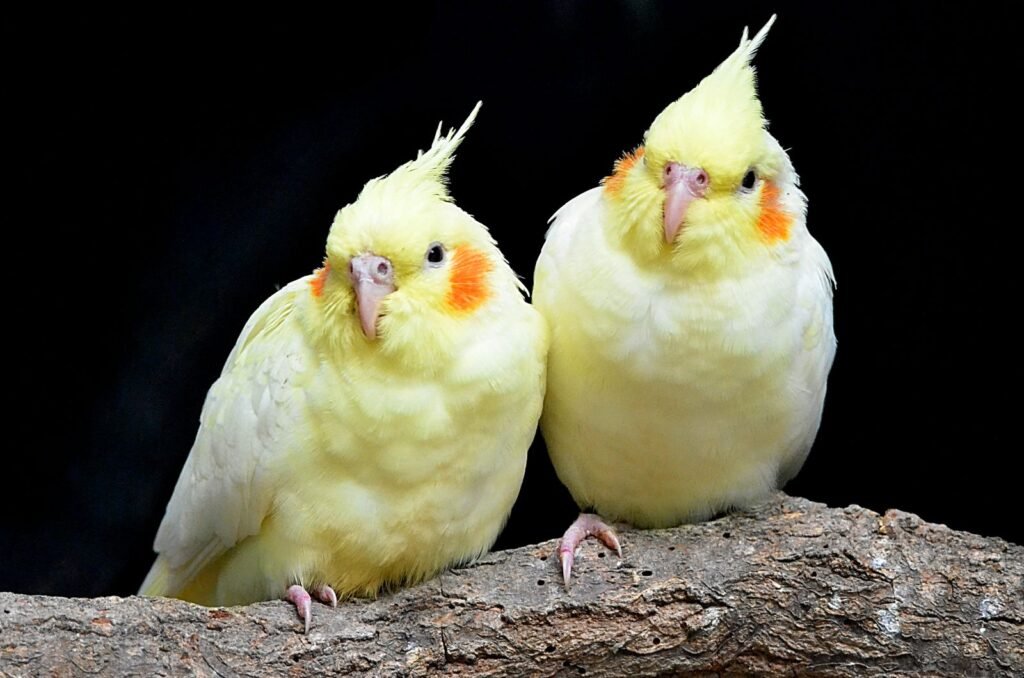
The best cockatiel food is not a bag of seeds. In the wild, cockatiels eat grass seeds, native fruits, and berries — but a pet cockatiel that eats only seeds will almost always end up with vitamin A deficiency and fatty liver disease. A healthy cockatiel diet is built on pellets, with fresh vegetables and a little fruit every day, and seeds kept as a small part of the mix.
What Is the Best Food for a Cockatiel?
A formulated pellet made for small parrots should be the foundation of the diet. Pellets are nutritionally complete, so your bird gets vitamins and minerals in every bite — unlike a seed mix, where a picky bird can eat only the sunflower seeds and leave the rest.
A good daily balance looks like this:
| Food group | Share of the daily diet | Examples |
|---|---|---|
| Pellets (small-parrot formula) | 60–70% | Cockatiel or small-parrot pellets |
| Fresh vegetables | 20–25% | Broccoli, carrots, kale, sweet potato, peppers, peas |
| Fruit | 5–10% | Apple (no seeds), pear, berries, banana, melon |
| Seeds and grains | Small share | Millet, canary seed, oats, a little sunflower seed |
| Treats | Occasional only | Millet spray, a nut, a small piece of whole-grain bread |
Some guides suggest a mix closer to 75% pellets and 25% seeds as the mainstay, with fresh food on top — the exact split matters less than the principle: pellets and fresh food first, seeds as a side dish, never the whole meal.
Can Cockatiels Eat Only Seeds?
No — a seed-only diet is one of the most common causes of illness in pet cockatiels. Seeds are high in fat and low in vitamin A, calcium, and protein. A bird that eats only seeds is at real risk of vitamin A deficiency, obesity, and fatty liver disease, and it will often look fine until the damage is advanced.
That does not mean seeds are banned. A quality small-parrot seed mix — canary seed, millet, oats, and a limited amount of sunflower seed — is a fine part of the diet. The trap is letting seeds be the whole diet because that is what your bird prefers.
What Vegetables Can Cockatiels Eat?
Fresh vegetables should be offered every day, in a separate bowl from the pellets, and removed after a few hours so they do not spoil. Wash everything first and chop it into small pieces.
Safe vegetables include broccoli, carrots, sweet potato (cooked), kale, dandelion leaves, spinach, green beans, peas, corn, capsicum, and bok choy. Dark leafy greens are especially valuable — they are a good natural source of vitamin A, the very nutrient seed-only birds lack.
Can Cockatiels Eat Fruit?
Yes, in small amounts — fruit should be about 5 to 10% of the daily diet. Good choices are apple (always without the seeds), pear, banana, berries, grapes, melon, and mango — a few small pieces a day is enough. Always remove apple seeds and the pits of stone fruits such as cherries, peaches, and plums — they contain compounds that can release cyanide when chewed. Never offer fruit that has gone soft or mouldy, and wash all fruit before serving.
How Much Should a Cockatiel Eat a Day?
A mature cockatiel needs roughly 1.5 to 2 level tablespoons (about 30 to 40 grams) of pellets or seed mix a day, plus fresh vegetables and fruit. If your bird is underweight, check with your avian vet before increasing food, since weight loss can have a medical cause.
Keep the food bowl about three-quarters full and refill it daily with fresh food — do not just top up yesterday’s leftovers, since empty seed husks look like food. Fresh, clean water must be available at all times and changed daily. Our what do parrots eat guide explains the same pellet-first approach for parrots in general.
How to Switch a Cockatiel from Seeds to Pellets
Most seed-addicted cockatiels will not switch overnight, and a sudden switch is not safe — a bird that refuses new food can go hungry. Convert gradually over several weeks:
- Mix pellets into the seed. Start with a bowl that is mostly the familiar seed mix with a small share of pellets.
- Increase the pellet share slowly. Every few days, add a little more pellets and a little less seed.
- Offer pellets first thing in the morning. Birds are hungriest in the morning, so put fresh pellets in first and add the seed mix later in the day.
- Make pellets fun. Try different pellet sizes or brands, or moisten them slightly.
- Watch the droppings. If droppings shrink or your bird seems lethargic, go back a step and switch more slowly — and ask your avian vet if you are worried.
Never starve a cockatiel into eating pellets. If your bird refuses completely, keep offering pellets alongside seeds and talk to an avian vet.
What Foods Are Toxic to Cockatiels?
Some everyday human foods can seriously harm or kill a cockatiel — keep them all away from your bird:
| Never feed | Why it is dangerous |
|---|---|
| Avocado | Contains persin, which is toxic to birds |
| Chocolate | Contains theobromine, toxic to birds |
| Caffeine (coffee, tea, cola) | Can cause heart problems and hyperactivity |
| Alcohol | Even small amounts can be fatal to a small bird |
| Onion and garlic | Can damage red blood cells |
| Salt and salty snacks | Too much salt can cause dehydration and kidney problems |
| Apple seeds and fruit pits | Contain compounds that release cyanide when chewed |
| Raw dried beans | Contain toxins that cooking removes — never feed raw |
| Xylitol and sugary sweets | Toxic sweetener; sugar also feeds obesity |
| Fried and processed human food | Too much fat and salt, no nutritional value |
If your cockatiel eats any of these, contact your avian vet or an animal poison helpline right away.
Treats, Millet Spray, and Extras
Treats are fine in small amounts. Millet spray is the classic cockatiel treat — hang a small piece in the cage a few times a week, not all day, or it becomes a meal instead of a treat. Honey sticks are also treats only, not food. Cockatiels are one of the most popular small parrots — our types of parrots guide compares them with other small parrots.
Can Cockatiels Eat Human Food?
Some, in small amounts — plain cooked vegetables, fruit, cooked rice or pasta, or scrambled egg. But most human food is either too salty, too fatty, too sugary, or simply not made for a bird’s digestion. As a rule, if it is processed, fried, seasoned, or sweetened, do not share it. For a closer look at a related species, see our quaker parrot guide.
Frequently Asked Questions
+ What is the best food for a cockatiel?
A formulated small-parrot pellet as the base (about 60 to 70% of the diet), plus fresh vegetables daily (20 to 25%), a little fruit (5 to 10%), and a small share of seed mix. Pellets give complete nutrition that seeds alone cannot.
+ Can cockatiels eat only seeds?
No. A seed-only diet is high in fat and low in vitamin A, calcium, and protein, and it commonly causes vitamin A deficiency, obesity, and fatty liver disease. Seeds should be a small part of a pellet-based diet, not the whole diet.
+ What foods are toxic to cockatiels?
Avocado, chocolate, caffeine, alcohol, onion, garlic, salt, apple seeds and fruit pits, raw dried beans, and xylitol are all dangerous for cockatiels. If your bird eats any of these, contact an avian vet or poison helpline right away.
+ How often should I feed my cockatiel?
Refill the pellet and seed bowl daily, offer fresh vegetables and a little fruit every day, and keep fresh water available at all times. A mature cockatiel needs roughly 1.5 to 2 tablespoons (30 to 40 grams) of pellets or seed mix per day.
+ Can cockatiels eat human food?
Some plain foods in small amounts — cooked vegetables, a piece of fruit, plain cooked rice or pasta, a little scrambled egg. Avoid processed, fried, seasoned, or sweetened human food, and never share anything from the toxic list above.
Sources
- Lafeber Pet Birds — Cockatiel: https://lafeber.com/pet-birds/species/cockatiel/
- VCA Animal Hospitals — Cockatiels: Feeding: https://vcahospitals.com/know-your-pet/cockatiels-feeding
- ASPCA — People Foods to Avoid Feeding Your Pets: https://www.aspca.org/pet-care/animal-poison-control/people-foods-avoid-feeding-your-pets
If you saw the word “weiro” on an Australian site, it is not a different bird at all — see weiro bird for what the name means and a compact care summary.
For the full picture — cage, daily routine, and health checks — see our cockatiel care guide.
Pingback: Cockatiel Care Guide: Cage, Diet & Daily Routine