
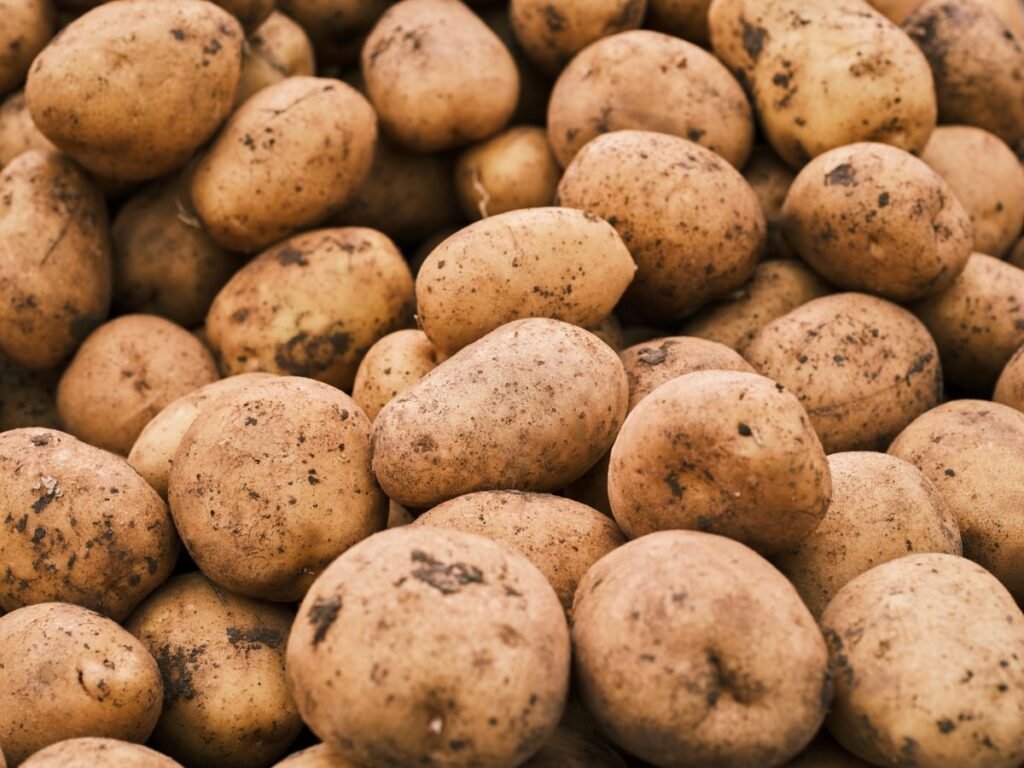
Can Dogs Have Potatoes? Safety, Benefits & Risks Explained
Yes — dogs can have potatoes, but only when they are plain and fully cooked. A few cubes of boiled or baked potato, with nothing added, are a safe occasional treat for most healthy dogs. Raw potatoes are a different story: they contain solanine, a natural toxin that can make dogs seriously ill. So the answer depends entirely on how the potato is prepared.
If you are peeling potatoes for dinner, do not toss a raw piece to your dog. Set aside a small plain portion from the pot instead — cooked, cooled, and completely unseasoned.
Are Potatoes Good for Dogs?
Cooked potatoes offer some nutrition: vitamin C, potassium, vitamin B6, and fiber. They are also a common ingredient in commercial dog foods and treats, which tells you that potatoes themselves are not a problem food for dogs.
But potatoes are mostly starch, so they are not a nutritional powerhouse. Your dog gets everything it needs from a complete and balanced dog food, and potatoes are best thought of as a small, starchy extra rather than a health food. They are a fine occasional treat, not a reason to change your dog’s diet.
The Danger: Raw Potatoes and Solanine
Raw potatoes, green potatoes, potato sprouts, and the potato plant itself contain solanine, a natural toxin that protects the plant from pests. According to PetMD, solanine can cause vomiting, diarrhea, and lethargy, and in large amounts it can lead to neurologic problems, coma, and even death. Potato skins concentrate solanine, which is why peeling matters — and why a lot of raw peel is far more dangerous than a little cooked flesh.
Cooking reduces solanine, which is why a fully cooked potato is safe while a raw one is not. But cooking does not make green or sprouted potatoes safe, so always throw away any potato that is green, sprouting, or rotten. Never let your dog chew on potato plants from the garden either.
If your dog eats raw or green potatoes, potato sprouts, or the plant, watch closely for vomiting, diarrhea, weakness, or wobbling — and call your vet right away if you see any of these signs.
Which Potato Dishes to Avoid
Most of the ways people eat potatoes are not safe for dogs. Skip all of these:
- French fries and chips: fried in oil and loaded with salt.
- Hash browns: fried and usually seasoned.
- Mashed potatoes with butter, milk, cream, salt, or garlic: butter is high in fat and can trigger pancreatitis, and many dogs are lactose-intolerant, so milk and cream can cause gas, bloating, and diarrhea.
- Roast potatoes cooked in fat or with herbs and garlic: the seasoning and fat are the problem, not the potato.
- Instant mashed potatoes: these often contain salt, milk powder, and flavorings.
What is safe is simple: a potato that has been boiled, baked, or steamed with nothing added, peeled, cooled, and cut into small pieces.
Sweet Potatoes vs Regular Potatoes
Sweet potatoes are a different plant from regular potatoes, and they are also safe for dogs when cooked plain. They must be cooked too — raw sweet potato is hard to digest. Sweet potatoes are richer in fiber and vitamin A than white potatoes, which is why they appear in many dog foods and treats. The same rules apply: plain and cooked only, no butter, marshmallows, sugar, or seasoning, and only in small portions.
How Much Potato Can Dogs Have?
Potatoes should be an occasional treat within the 10% rule — all treats combined should make up no more than 10% of your dog’s daily calories. A few small cubes or a spoonful of plain mash is plenty for most dogs. Start with a tiny portion the first time and watch your dog for 24 hours; if there is no digestive upset, you can offer the same small amount again another day.
Potatoes are starchy, so they can contribute to weight gain if they become a habit, and their carbohydrates can spike blood sugar. PetMD notes that potatoes are not recommended for diabetic dogs unless your vet approves. If your dog has diabetes or is overweight, ask your vet before sharing potatoes at all.
How to Serve Potatoes Safely
- Wash and peel the potato, and throw out any that are green or sprouting.
- Boil, bake, or steam it until soft, with nothing added.
- Let it cool, then cut it into small, bite-size cubes.
- Offer only a few pieces as an occasional treat.
- Never add butter, salt, milk, garlic, onion, or oil.
For another plain, gentle carbohydrate, you can also read whether dogs can eat rice — white rice is the classic bland-diet food for upset stomachs. And for a full overview of kitchen foods, see what human foods dogs can eat. One food that must never be shared, unlike potatoes, is the onion — read why dogs can eat onions is a firm no.
Frequently Asked Questions
Can dogs eat raw potatoes?
No. Dogs should never eat raw potatoes. Raw potatoes contain solanine, a toxin that can cause vomiting, diarrhea, weakness, and, in larger amounts, nervous system problems. Always cook potatoes fully before sharing them.
Can dogs eat potato skins?
It is best to peel potatoes before feeding them to your dog. Skins concentrate solanine and are hard to digest, especially raw. A tiny amount of cooked peel is unlikely to cause harm, but peeling removes the riskiest part entirely.
Can dogs eat mashed potatoes?
Only if they are plain. Mashed potatoes made with just potato and water are fine in small amounts. Mashed potatoes with butter, milk, cream, salt, or garlic are not safe — the butter and dairy can upset your dog’s stomach and, in large amounts, butter can trigger pancreatitis.
Can dogs eat french fries?
No. French fries are fried in oil and covered in salt, which can cause digestive upset and contribute to obesity. They offer your dog nothing but fat and salt.
Can dogs eat sweet potatoes?
Yes. Plain cooked sweet potatoes are safe for dogs in moderation. They are a different plant from regular potatoes and are richer in fiber and vitamin A. Serve them boiled, baked, or steamed with nothing added, and never raw.
When to Call a Vet
Call your vet right away if your dog eats raw potatoes, green potatoes, potato sprouts, or the potato plant — especially if you notice vomiting, diarrhea, lethargy, weakness, confusion, or wobbling. These can be signs of solanine poisoning, and prompt treatment matters. Also call your vet if your dog has ongoing vomiting or diarrhea after eating potatoes, or if your dog has diabetes and has eaten a large portion. If you are ever unsure, a quick call to your vet is always the right move.
Sweet potatoes are a different food from white potatoes — see can dogs eat sweet potatoes for the cooked-only rule and safe portions.
Pingback: Can Dogs Eat Sweet Potatoes? Benefits & Safe Guide