
Hunting Dogs: Breeds, Traits & Training
Long before dogs were pets, they were working partners — and few jobs shaped dogs more than hunting. For centuries, hunters bred dogs to find game, flush it from cover, point to it, or retrieve it. The result is a remarkable family: intelligent, athletic, eager to please, and happiest with a job.
Today most hunting dogs live as family pets rather than working dogs, but their instincts have not gone away: a Labrador will still carry your slippers, and a pointer will still freeze at a bird in the garden. This guide covers the main types, the best-known breeds, what they need, and whether one is right for your home.
The AKC Sporting Group: Gun Dogs
The American Kennel Club groups most hunting dogs in the Sporting Group, which currently holds 33 breeds. These “gun dogs” were developed to work closely with hunters to locate and retrieve game birds; the AKC describes four basic types:
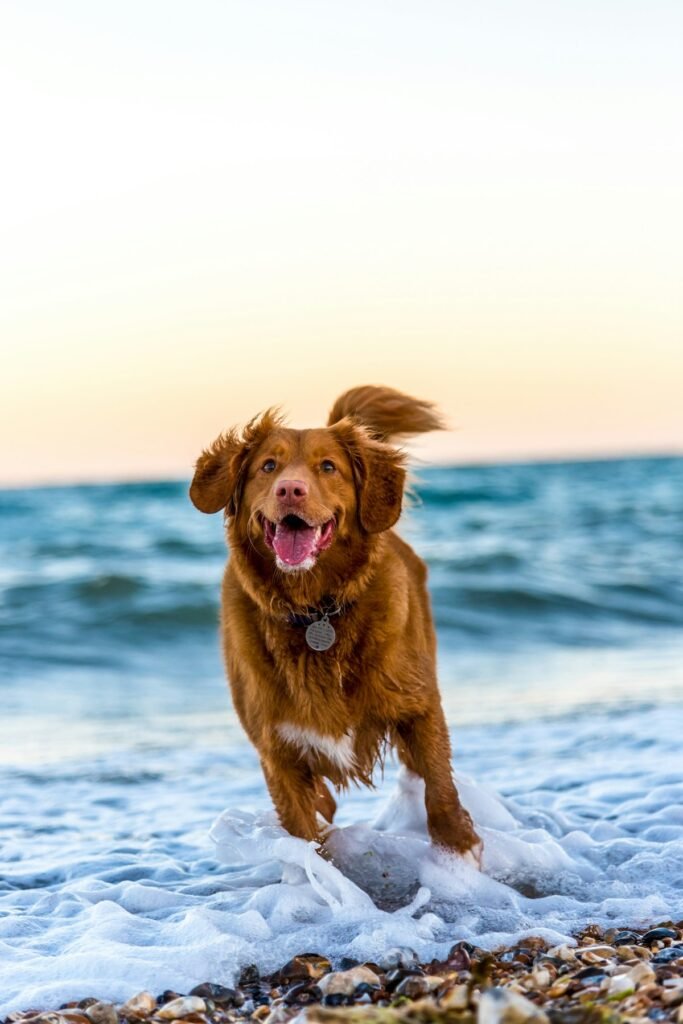
Retrievers. Bred to find fallen game and bring it back undamaged, thanks to a “soft mouth” — carrying a bird gently. They love water, and many have water-repellent coats and webbed feet. AKC retrievers are the Labrador, Golden, Chesapeake Bay, Curly-Coated, and Flat-Coated Retrievers, and the Nova Scotia Duck Tolling Retriever.
Pointers. Bred to find game by scent and freeze in a rigid pose, nose aimed at the bird, showing the hunter where it is. The AKC pointers are the Pointer, German Shorthaired Pointer, and German Wirehaired Pointer.
Setters. Close cousins of the pointers, setters also find game by scent — but instead of standing, they crouch or “set” low. AKC setters are the English, Gordon, Irish, and Irish Red and White Setters.
Spaniels. Bred to flush game from dense cover — to spring birds into the air for the hunter. Spaniels are agile, busy, and responsive, and many also retrieve. AKC spaniels include the English Springer Spaniel, Cocker Spaniel, Brittany, Boykin Spaniel, Clumber Spaniel, Field Spaniel, Sussex Spaniel, Welsh Springer Spaniel, American Water Spaniel, and Irish Water Spaniel.
The Sporting Group also includes versatile hunters — the Vizsla, Weimaraner, and Wirehaired Pointing Griffon — which point, track, and retrieve.
Hounds: The Other Hunting Family
Not all hunting dogs belong to the Sporting Group. The AKC’s Hound Group covers dogs that hunt by tracking scent or by sight. Scent hounds such as the Bloodhound, Beagle, and Basset Hound follow a trail with their nose for miles, while sighthounds such as the Greyhound and Whippet spot and chase prey by eye. Hounds tend to be more independent than gun dogs — bred to work at a distance and decide on their own — which makes them wonderful but sometimes stubborn.
The Best-Known Hunting Breeds
Labrador Retriever. The world’s most popular dog: friendly, patient, trainable, and tireless. Bred to retrieve waterfowl, Labradors love swimming, need plenty of exercise, and are famously good with children.
Golden Retriever. Much like the Labrador — gentle, devoted, and eager to please — with a long coat needing brushing.
German Shorthaired Pointer. The classic all-round hunting dog: it points, retrieves on land and water, and tracks. GSPs are athletic, intelligent, and need a lot of exercise daily.
English Springer Spaniel. A cheerful, busy flushing dog that thrives on activity and company. Springers are affectionate, but can become destructive when bored.
Brittany. A compact, energetic pointing breed, often described as the most people-loving of the gun dogs. A good choice for active owners wanting a smaller hunting dog.
Vizsla and Weimaraner. Two sleek, athletic pointers. The Vizsla, a golden Hungarian breed known as the “Velcro dog,” sticks closely to its owners. The Weimaraner, the elegant “grey ghost,” is powerful and demanding, needing an experienced owner.
Beagle. A small scent hound with a superb nose and a merry, curious nature. Beagles follow scents single-mindedly, so recall training and a secure garden matter. Our guide to the Carolina dog covers another breed with strong hunting roots.
Traits All Hunting Dogs Share
Despite their differences, hunting dogs share traits from their working history. They are high-energy — most need at least an hour of vigorous exercise daily. They are intelligent and trainable — gun dogs especially were bred to work closely with people, so they are eager to please and quick to learn, and bore quickly without training and games. They have a powerful nose — scent games and nose work are excellent outlets. They love water and mud — expect wet dogs and muddy paws. And they have a strong prey drive — recall training and lead work matter, especially with hounds and pointers.
Training a Hunting Dog
Hunting dogs are among the easiest breeds to train — and the most demanding to keep occupied. Short, fun, reward-based sessions work best, and they thrive on having a job: gundog training, agility, scent work, or fetch games all channel their instincts.
Start recall training early — a hunting dog that catches a scent can switch off its ears entirely. Use a long line until recall is reliable, socialise the puppy well, and teach a solid “leave it”. Formal gundog training is worth it if you hunt; if not, dog sports and scent games give the same satisfaction. With no outlet, a hunting dog will invent its own job — digging, barking, chewing, or escaping.
Hunting Dogs as Family Pets
Hunting dogs make wonderful family pets in the right home: generally friendly, good with children, and deeply bonded to their people. The Labrador and Golden Retriever are among the most popular family dogs in the world for this reason.
But they are not right for everyone. A hunting dog in a small flat with an owner who works long hours is a recipe for trouble: these dogs need space, exercise, training, and companionship. They shed, drool, bring mud indoors, and need grooming — spaniels and retrievers especially. If you want a calmer companion, a breed with a different history — such as many terrier breeds — may suit you better.
Frequently Asked Questions
What is the best hunting dog for beginners?
The Labrador Retriever is the usual recommendation: friendly, forgiving, and easy to train. The Springer Spaniel and Brittany are also good first choices.
Do hunting dogs need to hunt?
No — but it needs an outlet for its instincts. Scent games, retrieving, agility, and long active walks can satisfy a gun dog that never goes near a field.
How much exercise does a hunting dog need?
Most need at least an hour of active exercise daily, plus training and stimulation. Puppies need less, but adults given only a short walk quickly become restless and destructive.
Is a Hunting Dog Right for You?
A hunting dog is a superb choice if you lead an active life, enjoy training, and want a loyal, intelligent companion outdoors in all weathers. It is a poor choice if you want a calm, low-energy dog happy with a short walk and a sofa. Be honest about your lifestyle — and when you have picked your breed, our list of dog names has ideas for every dog.
Sources
- https://www.akc.org/akc-breeds-by-group/
- https://www.akc.org/expert-advice/dog-breeds/history-akc-breed-groups/
- https://www.petfinder.com/dogs-and-puppies/breeds/groups/sporting-dog-breeds/
Related reading: Plott Hound: Temperament, Traits & Complete Care Guide — a rugged brindle hound bred for big-game hunting.