
Hypoallergenic Dog Breeds: The Complete Guide
If you love dogs but sneeze, itch, or wheeze around them, you have probably searched for a hypoallergenic dog breed. The good news is that some breeds spread far fewer allergens around the home, and many allergy sufferers live happily with the right dog. The important truth first: no dog breed is 100% hypoallergenic. Every dog produces the proteins that trigger allergies — but some breeds produce and spread much less of them.
This guide explains what “hypoallergenic” really means, which breeds the American Kennel Club (AKC) lists as the best choices for allergy sufferers, what grooming they need, and how to reduce allergens at home.
What Does “Hypoallergenic” Actually Mean?
Dog allergies are not caused by fur itself. They are caused by proteins found in a dog’s dander (tiny flakes of skin), saliva, and urine. The main culprit is a protein called Can f 1. When a dog sheds, dander rides on loose hair and spreads through the house and into the air you breathe. Dogs that shed very little therefore spread less dander, and that is what makes a breed “hypoallergenic” in practice — not the absence of allergens, but a much lower allergen load in your home.
Individual reactions also vary a lot, because every dog produces slightly different amounts of Can f 1. Before committing to any dog, spend time with that exact dog to see how you react. If your allergies are severe, talk to your doctor or an allergist first.
The Best Hypoallergenic Dog Breeds
The AKC lists these breeds as the best choices for people with allergies. They all share low- or no-shedding coats, but they differ widely in size, energy, and personality.
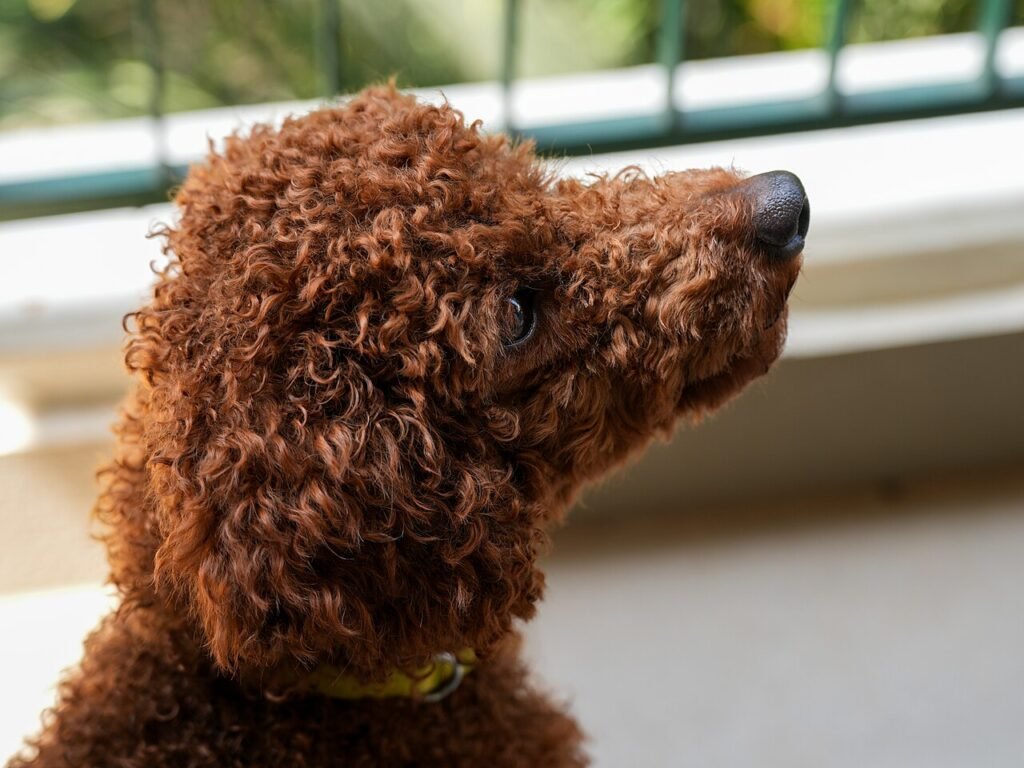
Poodle (Toy, Miniature, and Standard). The classic hypoallergenic dog. Poodles have dense, curly coats that trap dander instead of shedding it. They are among the smartest breeds, athletic, and come in three sizes, so there is a poodle for apartments and for active families alike.
Bichon Frise. A small, cheerful companion with a soft, curly double coat that sheds very little. Bichons are affectionate, playful, and good with children, but their white coat needs regular brushing to prevent matting.
Maltese. A tiny lap dog with long, silky hair that sheds minimally. Maltese dogs are gentle and devoted, and they adapt well to apartment life.
Shih Tzu. A small companion breed with long hair that sheds very little. Shih Tzus are friendly, sturdy for their size, and happy with moderate exercise.
Yorkshire Terrier. A toy breed with fine, silky hair that grows continuously, much like human hair. Yorkies are bold, lively, and shed very little.
Miniature Schnauzer. A wiry-coated terrier that sheds minimally. Miniature Schnauzers are alert, intelligent, and good family dogs; the Standard and Giant Schnauzers are sturdier and more protective.
Portuguese Water Dog. A medium-sized, athletic breed with a thick, curly or wavy coat that sheds very little. Bred to work alongside fishermen, these dogs love water and need plenty of exercise.
Soft Coated Wheaten Terrier. A friendly, medium-sized terrier with a soft, silky coat that sheds little. Wheatens are energetic and people-loving, and they stay puppy-like well into adulthood.
Irish Water Spaniel and Lagotto Romagnolo. Two curly-coated water dogs that shed very little. The Irish Water Spaniel is the tallest spaniel, smart and a little clownish; the Lagotto, an Italian truffle-hunting dog, is affectionate and highly trainable.
Hairless breeds — Xoloitzcuintli, Chinese Crested, and American Hairless Terrier. With little or no hair, these breeds spread almost no dander on fur. They still produce skin oils and saliva, so they are not allergy-free, and their exposed skin needs sun and cold protection.
Low-shedding coat is only one part of the picture. Energy level, size, grooming needs, and temperament matter just as much. If you are also thinking about a cat, our guide to hypoallergenic cats covers the same idea for feline friends.
The Grooming Trade-Off
Low-shedding does not mean low-maintenance — it is usually the opposite. A coat that does not shed keeps growing, so it needs regular brushing to prevent painful mats, regular baths to wash away trapped dander, and professional grooming every 4 to 6 weeks for most curly- and long-coated breeds. A matted coat traps moisture and skin irritation, which is uncomfortable for the dog and can increase the very dander you are trying to control.
Be honest about the time and budget grooming will take. A poodle clipped short is much easier to maintain than one in a long show coat. If grooming sounds like too much, a short-coated, low-shedding breed such as the American Hairless Terrier — or a terrier with a wiry coat — may suit you better.
Living With Allergies and a Dog
The breed is only half the story. How you manage your home matters just as much:
- Wash bedding and soft furnishings often, and use a vacuum with a HEPA filter on floors and furniture.
- Bathe and brush your dog regularly — ideally outdoors or in a ventilated bathroom — to remove loose dander before it spreads.
- Keep the dog out of the allergic person’s bedroom, so there is at least one low-allergen room in the house.
- Wash your hands after handling your dog, and avoid rubbing your eyes after petting.
- Use an air purifier with a HEPA filter in the rooms where you spend the most time.
These habits do not eliminate allergens, but together with a low-shedding breed they can reduce exposure enough for many people to live comfortably with a dog. Heavy shedders such as Labradors, German Shepherds, Huskies, and Pugs tend to be hardest on allergy sufferers, so a low-shedding breed is the safer starting point. Labradors are a good example of the opposite end: even the palest ones shed heavily — see our guide to the white Labrador before choosing one for an allergy-sensitive home.
Frequently Asked Questions
Are poodles really hypoallergenic?
Poodles are the most widely recommended breed for allergy sufferers, because their dense, curly coat traps dander instead of shedding it. No dog is completely hypoallergenic, though — even poodles produce the Can f 1 protein — so spend time with a poodle before deciding.
Are Labradoodles and Goldendoodles hypoallergenic?
Not reliably. These poodle crosses are popular, but their coats are unpredictable: some puppies inherit the poodle’s low-shedding coat and others inherit the shedding coat of the Labrador or Golden Retriever parent. The AKC warns there is no way to guarantee a litter of designer mixes will have poodle-like coats.
Do hairless dogs cause no allergies at all?
Hairless breeds such as the Xoloitzcuintli and Chinese Crested spread very little dander, but they still produce saliva and skin oils that contain allergens. Many people with severe allergies tolerate them well, but they are not completely allergy-free.
Before You Bring One Home
A hypoallergenic breed can make dog ownership possible for many allergy sufferers, but it is not a guarantee. Meet the breed, meet the individual dog, be realistic about grooming, and set up your home to keep allergens down from day one. And when the time comes to pick a name for your new best friend, our list of dog names has ideas for every personality.
Allergy-prone breeds also need the right bathing routine — see how often should I bathe my dog for the vet-backed schedule by coat and lifestyle.
Sources
- https://www.akc.org/expert-advice/dog-breeds/hypoallergenic-dog-breeds/
- https://health.clevelandclinic.org/are-any-dogs-hypoallergenic
- http://images.akc.org/pdf/press_center/hypoallergenic_breeds.pdf
Related reading: Miniature Poodle: Temperament, Size, Traits & Care Guide — a smart, low-shedding companion.
Pingback: Bernedoodle: Temperament, Size, Traits & Complete Care Guide - PawMeridian
Pingback: How Often Should You Bathe a Dog? Vet-Backed Bathing Schedule