
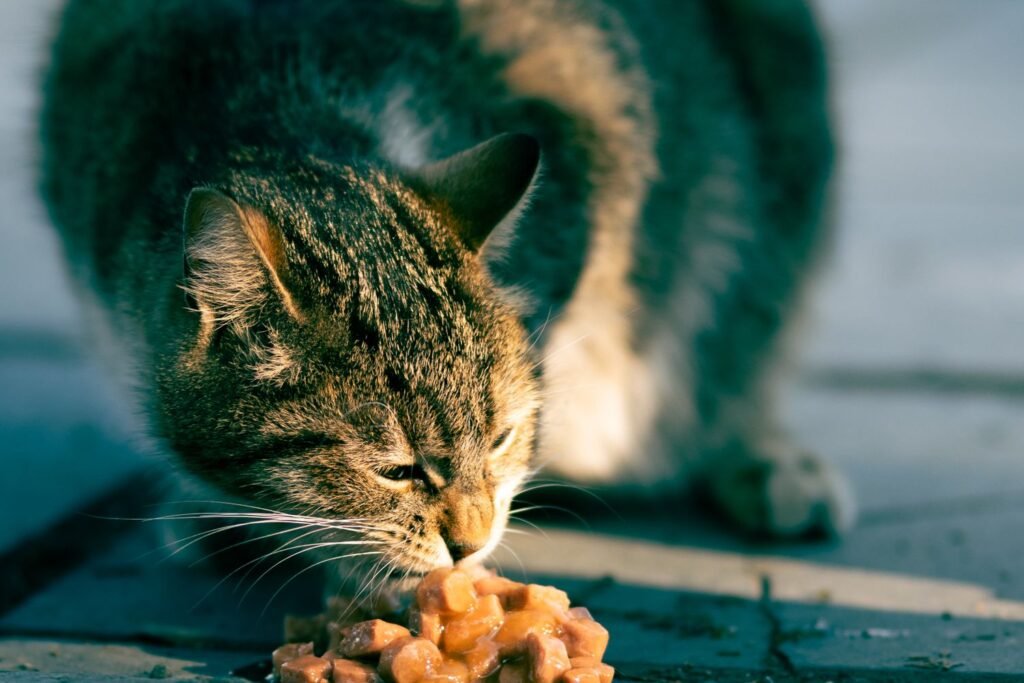
Wet Cat Food: Benefits, How Much to Feed & Choosing the Best
Wet cat food is the soft, moist food that comes in cans and pouches — and for many cats, it is the healthiest everyday choice. It is typically 70–80% water, so every meal quietly tops up your cat’s hydration. Cats descend from desert animals and have a famously weak thirst drive, so many on dry-only diets chronically under-drink.
But wet food is not automatically better than dry food, and it is not right for every household. Here is an honest look at the benefits, the downsides, how much to feed, and how to choose a good one.
What Is Wet Cat Food?
Wet cat food is cooked, sealed food with a high moisture content, sold in cans (usually 3-ounce or 5.5-ounce) and pouches. It comes in textures like pâté, minced, chunks in gravy, and shreds, and in flavors from chicken and turkey to salmon and tuna. A good wet food is “complete and balanced,” meaning it contains everything a cat needs — look for the AAFCO adequacy statement on the label.
Cats are obligate carnivores, so they need animal protein and nutrients such as taurine, essential for heart, eye, and liver health. A quality wet food leads with a named animal protein — chicken, turkey, beef, or fish — rather than vague “meat by-products.”
The Benefits of Wet Cat Food
Hydration
This is wet food’s biggest advantage. Because cats often do not drink enough water on their own, the moisture in wet food supports kidney and urinary tract health — vets often steer cats with urinary or kidney issues toward it.
Easier Weight Management
Wet food packs fewer calories into each bite because so much of it is water: a typical 3-ounce can holds roughly 70–100 calories, and a 5.5-ounce can around 150. That bulk-per-calorie helps dieting cats feel fed on fewer calories.
Easier to Eat
Soft food is kinder to kittens, seniors, and cats with dental problems or a sore mouth.
Picky Cats Love It
Wet food smells stronger and tastes richer than dry food, so it is often the best option for fussy eaters. If your cat suddenly stops eating, though, do not just switch foods — a loss of appetite can be a sign of illness, and you should consult a vet.
The Downsides of Wet Cat Food
Wet food costs more per calorie than dry food, and it spoils quickly: uneaten food should not sit out for more than a few hours, and an opened can must be refrigerated and used within two to three days.
One myth needs correcting: wet food does not cause dental disease, and dry food does not clean teeth — only diets specifically designed for dental health do that. Dental disease comes from a lack of dental care, so brushing, vet-approved dental treats, and regular checkups matter far more than wet versus dry.
How Much Wet Cat Food Should a Cat Eat?
How much to feed depends on calories, not cans. An average adult cat needs roughly 200–250 calories a day, but the exact number varies with size, age, and activity — kittens need far more per pound, and older cats often need fewer.
Every can lists its calories and a feeding guide. As a rough guide, an average 10-pound (4.5 kg) adult cat eating only wet food might need about two to three small 3-ounce cans a day — but brands differ, so always work from your food’s label and adjust to keep your cat at an ideal weight. You should be able to feel the ribs easily under a thin layer of fat, with a visible waist from above.
If you mix wet and dry food, reduce the dry portion to match the wet food’s calories, so the total stays the same. Check with your vet if your cat is gaining or losing weight unexpectedly.
How to Choose the Best Wet Cat Food
- AAFCO statement: the label must state the food is complete and balanced for your cat’s life stage — kitten, adult, or senior.
- Named protein first: chicken, turkey, beef, or salmon should be the first ingredient.
- Taurine: check that it is included — it is essential for cats and must come from the diet.
- Low on fillers and additives: avoid foods that lean on artificial colors, flavors, or cheap fillers.
- Texture and flavor: pâté, chunks, and shreds are all equally healthy, so feed whatever your cat prefers.
There is no single “best” brand. The best wet food is one your cat reliably eats, that you can afford, and that keeps your cat at a healthy weight.
Wet vs Dry Cat Food
Neither format is universally better. Dry food is cheaper, convenient, and suits puzzle feeders and grazers. Wet food wins on hydration and is easier for kittens, seniors, and cats with urinary or kidney concerns. Mixed feeding is a good compromise. Whatever you choose, the AAFCO statement and your cat’s body condition matter far more than the format.
How to Switch to Wet Food
Switch gradually over seven to ten days: mix a little wet food into the current food, then slowly increase the wet portion while reducing the old food. A sudden switch can cause digestive upset. If your cat refuses the new food, try a different texture or flavor, or warm refrigerated food slightly to room temperature — never serve it hot.
If you have a young cat, read our guide to kitten food for life-stage portions and weaning advice. And before offering treats, check they are safe — for example, read whether cats can have peanut butter first.
Frequently Asked Questions
Is wet cat food better than dry cat food?
Neither is universally better. Wet food wins on hydration and is easier to eat, which helps cats with urinary, kidney, or dental problems. Dry food is cheaper and more convenient. The best food is complete and balanced, enjoyed by your cat, and keeps them healthy.
Can kittens eat wet cat food?
Yes. Kittens should eat wet food made for kittens, with more calories and nutrients for growth, in three to four small meals a day.
Can I mix wet and dry cat food?
Yes, mixed feeding is fine and very common. Just reduce the dry portion to match the wet food’s calories, and always provide fresh water.
How long can wet cat food sit out?
Only a few hours at most — wet food spoils quickly at room temperature. Refrigerate opened cans and use them within two to three days.
Does wet cat food cause dental problems?
No. Wet food does not clean teeth, but it does not cause dental disease either — that comes from a lack of dental care. Brush your cat’s teeth, offer vet-approved dental treats, and keep up with vet checkups.
When to Call a Vet
Call your vet if your cat suddenly stops eating for more than a day, vomits or has diarrhea after a food change that lasts more than a day, is losing weight, or is drinking much more or less water than usual. These can be signs of illness, not fussiness. If your cat has kidney disease, diabetes, or urinary problems, ask your vet which formula is best.
If you are adding real fish to the bowl, read our salmon for cats guide first — cooked, plain and boneless only — and our oatmeal for cats guide before offering any grains.
Pingback: Can Cats Eat Pumpkin? Benefits, Digestion & Safe Serving Guide - PawMeridian