
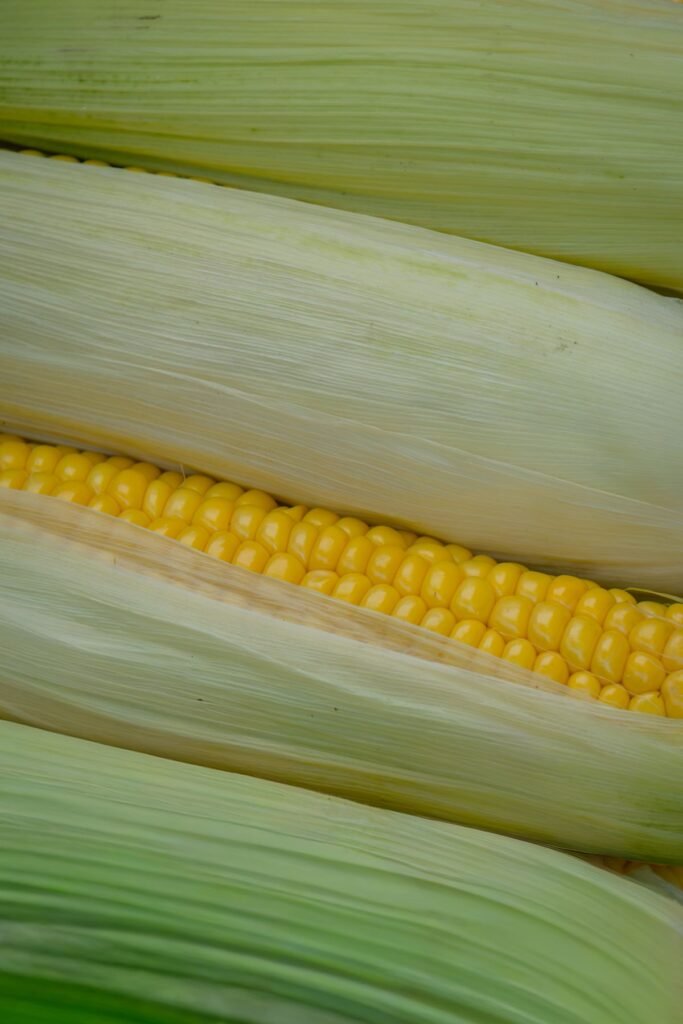
Can Dogs Eat Corn (Maize)? Safety, Benefits & Risks
Yes — dogs can eat corn, also known as maize. Plain, cooked corn kernels served off the cob are safe for most dogs in moderation. Corn is not toxic to dogs. The one form you must never feed is corn on the cob: the cob is a serious choking and intestinal blockage hazard that can require emergency surgery.
Maize and Corn: The Same Thing
“Maize” is simply the name used for corn in much of the world, including the UK, South Asia, and Africa. When pet owners ask “can dogs eat maize,” they are asking about the same sweetcorn sold on the cob at markets and grocery stores.
Is Corn Safe for Dogs?
Plain corn kernels are safe for most dogs when served the right way. Veterinary nutritionists at Tufts University’s Cummings School of Veterinary Medicine note that corn is a safe and healthy ingredient in pet food, and there is no reason to avoid corn meal, corn gluten, or ground whole corn in a dog’s diet.
That said, corn is a treat, not a dietary staple. A dog eating a complete, balanced commercial food already gets everything it needs, so corn adds enjoyment rather than essential nutrition. As with all treats, corn should make up no more than 10% of your dog’s daily calories.
The Nutritional Benefits of Corn
Corn offers modest nutritional value for dogs. It is rich in carbohydrates, giving active dogs a quick, low-fat energy source. It contains linoleic acid, an omega-6 fatty acid dogs cannot make themselves, which supports healthy skin and a glossy coat. Its fibre supports healthy digestion and regular stools, and it contains beta-carotene and other antioxidants that help protect cells from damage.
You may see whole kernels in your dog’s stool — that is normal, since dogs do not fully break down the tough outer hull of every kernel.
How to Serve Corn Safely
Not all corn is equal. Plain cooked kernels, off the cob, are the safest way to serve corn. Plain frozen kernels, thawed, are a convenient off-season option, and plain low-sodium canned corn, drained and rinsed, is fine in small amounts.
Never feed corn on the cob or corn husks — both are choking and blockage hazards. Avoid buttered, salted, or seasoned corn, and skip creamed corn, which is usually made with dairy and sugar. To serve kernels, boil or steam them plain, let them cool, and cut them off the cob first. Skip butter, salt, pepper, and all seasonings — and never add garlic or onion, which are toxic to dogs. If you are exploring other safe foods, see our guide to what human foods dogs can eat.
How Much Corn Can a Dog Eat?
Portion size depends on your dog’s size. Keep corn under 10% of daily calories and serve it only a few times a week, not daily. As a rough guide: under 10 lbs, 1–2 teaspoons; 10–25 lbs, 1–2 tablespoons; 26–60 lbs, 2–3 tablespoons; 61–100 lbs, up to ¼ cup; over 100 lbs, up to ⅓ cup — all occasionally. These are general guidelines only — ask your vet to tailor portions to your dog. Overfeeding corn, like any starchy treat, can contribute to weight gain, so keep servings small. Other plain, cooked foods such as rice and potatoes follow the same small-portion rule.
Corn on the Cob: A Serious Danger
The cob is the one part of corn that is genuinely dangerous. Dogs’ strong teeth can snap off chunks of cob, and the cob itself is indigestible. A swallowed piece can lodge in the throat, stomach, or intestines, causing a partial or complete blockage that often needs surgery to remove.
Blockage symptoms usually appear 24 to 72 hours after the cob is eaten, so a dog that seems fine right after swallowing one is not in the clear. Watch for repeated vomiting or retching, loss of appetite, lethargy or weakness, abdominal pain or a hunched “prayer” posture with the front end down, and straining to defecate or no bowel movement at all. Any of these signs after a known or suspected corn cob is a veterinary emergency. Call your vet or the nearest emergency clinic immediately — the ASPCA Animal Poison Control Center (888-426-4435) can advise as well. Do not wait to see if your dog passes it, and never try to induce vomiting at home unless a veterinarian tells you to.
What About Popcorn?
Plain, air-popped popcorn is generally safe in very small quantities as an occasional treat. The rules are strict, though: no butter, no salt, no sugar, and no flavourings — most popcorn served to people fails this test. Also watch out for unpopped kernels, which can crack teeth and pose a choking hazard, so pick them out before sharing.
Signs Your Dog May Be Having Trouble with Corn
Stop feeding corn and call your vet if you notice vomiting or diarrhoea, excessive gas or bloating, lethargy or loss of appetite, or skin itching, redness, or hives, which may signal a food sensitivity. Pawing at the mouth, gagging, or retching can mean choking or a lodged cob fragment, which needs immediate veterinary care. Increased thirst or urination can follow excess salt from seasoned corn. Corn allergy is uncommon in dogs, but any new food can cause digestive upset, so introduce corn gradually and consult a vet if symptoms persist.
The Bottom Line
Plain, cooked kernels cut off the cob are a safe, occasional treat in small portions. Just remember the two rules that matter: never feed corn on the cob, and never serve corn with butter, salt, or seasonings. Get those right, and corn is one of the easier human foods to share safely with your dog.
FAQ
Can dogs eat maize (corn)?
Yes. Plain, cooked corn kernels served off the cob are safe for most dogs in moderation.
Can dogs eat corn on the cob?
No, never. The cob is indigestible and can cause choking or a life-threatening intestinal blockage that may require surgery. Always cut the kernels off the cob first.
How much corn can I give my dog?
Keep it under 10% of daily calories, served only occasionally: up to ¼ cup for a large dog, 2–3 tablespoons for a medium dog, and 1–2 tablespoons for a small dog.
Is popcorn safe for dogs?
Plain, air-popped popcorn with no butter, salt, or flavourings is generally safe in very small amounts. Remove unpopped kernels first, as they can crack teeth and pose a choking hazard.
Can dogs eat canned corn?
Plain, low-sodium canned corn that has been drained and rinsed is fine in small amounts. Avoid creamed corn and any canned corn with added salt, butter, or seasonings.
Another vegetable that is safe only in small plain portions is covered in our brussels sprouts for dogs guide — watch out for the gas.
Sources
- Chewy — Can Dogs Eat Corn? — https://www.chewy.com/education/dog/food-and-nutrition/can-dogs-eat-corn
- Tufts University Cummings School of Veterinary Medicine, Petfoodology — Stalk About Nutritious: It’s Corn! — https://sites.tufts.edu/petfoodology/2023/09/19/stalk-about-nutritious-its-corn/
- Petco — Can Dogs Eat Corn? What Pet Parents Should Know — https://www.petco.com/pet-education/dog/food-nutrition/can-dogs-eat-corn
- ASPCA Animal Poison Control Center — https://www.aspca.org/pet-care/animal-poison-control