
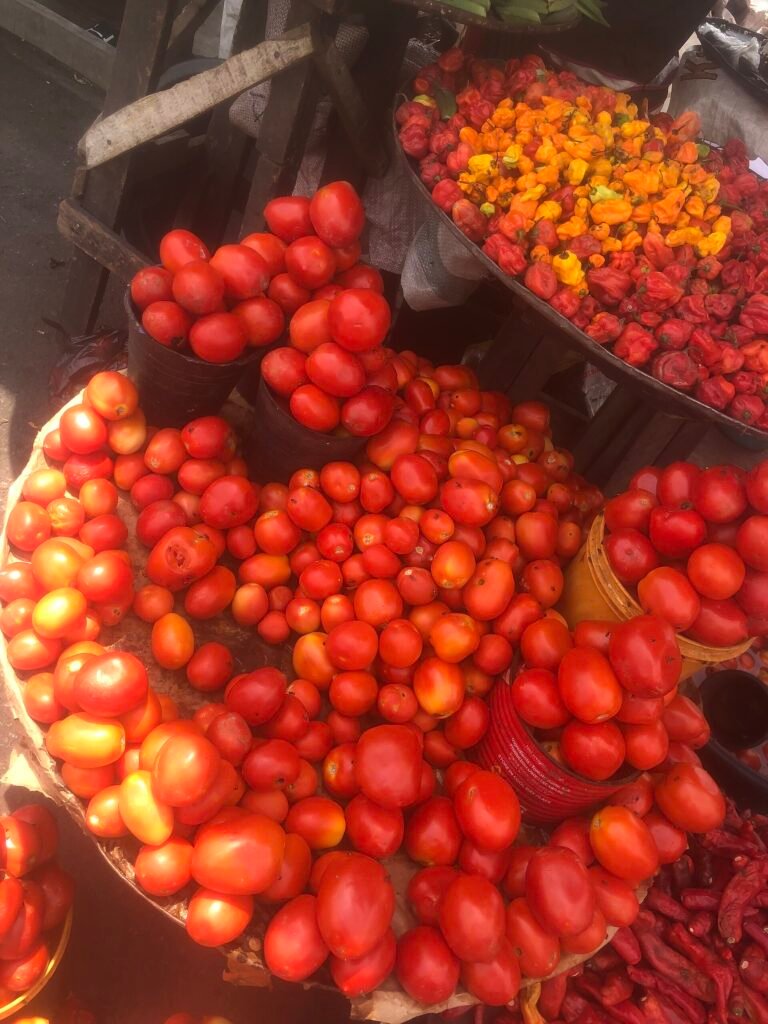
Can dogs have tomatoes? The answer is both yes and no. Fully ripe, red tomato flesh is generally safe for dogs in small amounts. But the green parts of the tomato plant — leaves, stems, vines and unripe green tomatoes — contain compounds that are toxic to dogs and must never be fed. The fruit itself is only half the story, though — our guide to tomato sauce for dogs explains why the sauce on your pizza or spaghetti is a different food, and what to do if your dog already ate some.
Tomatoes are nightshades (Solanaceae), like potatoes and eggplant. They produce natural defence compounds called solanine and tomatine, but as a tomato ripens to red, these drop to negligible levels in the fruit. That is why a slice of ripe tomato from your salad is usually nothing to worry about, while a dog chewing garden vines is a genuine concern.
Are Tomatoes Poisonous to Dogs?
Ripe tomatoes are not considered poisonous to dogs. The ASPCA lists the tomato plant as toxic to dogs, cats and horses — but that refers to the green parts, not the ripe red fruit. Pet Poison Helpline and Purina draw the same line: ripe red flesh in moderation is non-toxic; unripe fruit and foliage are the danger.
Severe tomato poisoning is rare and generally requires a large ingestion of green plant material, not a nibble of ripe fruit. Small dogs face greater risk, because the same amount of toxin is a bigger dose for a smaller body. If your dog has eaten a significant amount of tomato plant material, call your vet or an animal poison control centre rather than waiting.
Ripe vs Green: The Safety Breakdown
| Tomato part | Safe for dogs? | Why |
|---|---|---|
| Fully ripe red flesh | Yes, in small amounts | Solanine and tomatine have dropped to negligible levels |
| Unripe green tomatoes | No | High solanine and tomatine levels |
| Leaves, stems, vines, flowers | No | Concentrated glycoalkaloids; never feed |
| Cherry tomatoes (fully ripe, stem removed) | Yes, in small amounts | Same rule as regular ripe tomatoes; halve them for small dogs |
| Cooked ripe tomato (plain, unseasoned) | Yes, in small amounts | Heat does not make green parts safe, but ripe flesh stays safe |
| Tomato sauce, soup, salsa, ketchup | No | Salt, seasonings, and often onion or garlic, which are toxic to dogs |
| Canned tomatoes | No | Salt, preservatives and possible onion/garlic flavouring |
The rule is simple: red, ripe and plain is fine in a small amount. Anything green — green fruit, stem or leaf — keep away from your dog.
Benefits of Ripe Tomatoes for Dogs
Ripe tomatoes are not a necessary part of a dog’s diet, but as an occasional treat they offer vitamin C and vitamin A, potassium, folate and fibre, plus lycopene, the antioxidant that gives tomatoes their red colour. They are low in calories and high in water, making a small piece a light snack on a hot day. Still, they should never replace proper dog food. Many commercial dog foods already include tomato pomace — the processed skin and seed by-product — which is quite different from feeding raw plant parts at home.
How Much Tomato Can a Dog Eat?
Tomatoes should be an occasional treat within the 10% treat rule, not a regular part of meals:
| Dog size | Ripe tomato serving | Frequency |
|---|---|---|
| Toy / small (under 30 lbs) | 1–2 small pieces, or 1 halved cherry tomato | Once or twice a week |
| Medium (30–60 lbs) | 1–2 small slices | Once or twice a week |
| Large (over 60 lbs) | 2–3 small slices | Once or twice a week |
Dogs with sensitive stomachs, gastroenteritis or acid reflux should skip tomatoes, since their acidity can aggravate an upset stomach. As with any new food, consult a vet before offering tomatoes to a dog with a health condition or on a prescription diet.
How to Safely Serve Tomatoes to Your Dog
- Choose a fully ripe, bright red tomato. Reject any with green patches.
- Wash it thoroughly to remove dirt and pesticide residue.
- Remove all green parts — stem, leaves, vine and green core.
- Cut it into small pieces. Halve cherry tomatoes so small dogs cannot swallow them whole.
- Serve it plain. No salt, oil, dressing or seasoning — never as part of a sauce.
- Start small. Offer one piece first and watch for stomach upset over the next day.
- Keep tomato plants fenced off. A dog raiding garden vines is the most common tomato danger.
Cooking does not rescue unsafe parts: heat does not reliably destroy solanine or tomatine in green tomatoes or leaves. Only fully ripe fruit should ever be cooked for a dog, and it must still be plain and unseasoned.
Can Dogs Eat Cherry Tomatoes?
Yes — with the same conditions as regular tomatoes. Cherry tomatoes must be fully ripe and red, washed, stems removed, and halved for small dogs to avoid choking. Count them: one or two for a small dog, a few at most for a large dog, only occasionally. Never feed green or yellow-green cherry tomatoes.
Can Dogs Eat Cooked Tomatoes, Sauce or Ketchup?
Plain cooked ripe tomato — peeled, seeded, unseasoned — is safe in the same small amounts as raw ripe tomato. But ketchup, pasta sauce, soup and salsa are unsafe: they typically contain salt and seasonings, and very often onion or garlic, both toxic to dogs (see our guide on whether dogs can eat onions). Canned tomatoes carry the same problem. If a tomato product has an ingredient list, it does not belong in your dog’s bowl.
What If a Dog Eats Tomato Leaves or Green Tomatoes?
Watch for signs of tomatine poisoning, usually within a few hours: vomiting, diarrhoea, drooling, loss of appetite, lethargy, weakness, confusion and, in serious cases, tremors or a slowed heart rate.
What to do:
- Remove access — get your dog away from the plant and remove any plant material from its mouth if you safely can.
- Note how much was eaten — a nibbled leaf is very different from a stripped vine.
- Call your vet or poison control — describe what was eaten and follow their advice. The ASPCA Animal Poison Control Center (888-426-4435) and Pet Poison Helpline (855-764-7661) both handle these calls.
- Do not induce vomiting yourself unless a vet tells you to.
A dog that stole a ripe tomato from your salad, by contrast, almost certainly needs nothing more than monitoring. Ripe fruit is not the emergency — green plant material in quantity is.
Can Puppies Eat Tomatoes?
Puppies can eat a tiny amount of fully ripe tomato, but their stomachs are more sensitive, so upset is likelier and the benefit is nil. There is no reason to offer tomatoes to a puppy at all. If you do, keep it to one small piece of ripe flesh with all green parts removed. Keep puppies away from tomato vines entirely, just like adult dogs.
Protecting Your Dog in a Tomato Garden
- Fence off tomato plants or grow them in raised beds your dog cannot reach.
- Clear fallen fruit promptly, especially green tomatoes knocked off the vine.
- Do not compost tomato vines where your dog can get at them.
- Watch puppies and curious breeds most closely — they are the likeliest vine-chewers.
The same nightshade caution applies to a close relative: green or raw potatoes also contain solanine, which is why our guide on whether dogs can have potatoes draws a similar line. For a wider picture, see what human foods dogs can eat.
The Bottom Line
Can dogs have tomatoes? Yes — but only the fully ripe red flesh, in small, occasional, plain servings. Green tomatoes, leaves, stems and vines are toxic and must be kept away from dogs, and sauces, ketchup and canned tomatoes are off the menu because of salt, seasonings and often onion or garlic. If your dog eats a large amount of green plant material or shows symptoms like vomiting, lethargy or weakness, contact your vet or an animal poison control centre right away.
Sources
- ASPCA — Tomato Plant (toxic plants database) https://www.aspca.org/pet-care/animal-poison-control/toxic-and-non-toxic-plants
- Pet Poison Helpline — Are Tomatoes Bad for Dogs? https://www.petpoisonhelpline.com/uncategorized/are-tomatoes-poisonous-to-dogs/
- Purina — Can Dogs Eat Tomatoes? https://www.purina.com/articles/dog/feeding/can-dogs-eat/tomatoes
- Rover — Can Dogs Eat Tomatoes? https://www.rover.com/blog/can-dogs-eat-tomatoes/
- ASPCA Animal Poison Control Center https://www.aspca.org/pet-care/animal-poison-control
Frequently Asked Questions
+ Can dogs eat tomatoes?
Yes, but only fully ripe red tomato flesh, in small amounts, as an occasional treat. Green tomatoes and all green parts of the plant (leaves, stems, vines) are toxic and must be avoided.
+ Are tomatoes poisonous to dogs?
Ripe red tomatoes are not poisonous to dogs. The tomato plant’s green parts are toxic because they contain solanine and tomatine, but these compounds drop to negligible levels as the fruit ripens to red.
+ Can dogs eat green (unripe) tomatoes?
No. Unripe green tomatoes contain higher levels of solanine and tomatine and can cause vomiting, diarrhoea, lethargy and weakness. Never feed green tomatoes to dogs, and keep garden vines fenced off.
+ What happens if a dog eats tomato leaves or stems?
Watch for vomiting, diarrhoea, drooling, lethargy, weakness or confusion. Remove access to the plant, note how much was eaten, and call your vet or an animal poison control centre, especially if a large amount was eaten or symptoms appear.
+ Can dogs eat cherry tomatoes?
Yes, if they are fully ripe and red, washed, with stems removed and cut in half for small dogs. Never feed green or partly green cherry tomatoes, and keep portions to one or a few at a time.
+ Can dogs eat cooked tomatoes, tomato sauce or ketchup?
Plain cooked ripe tomato is safe in small amounts, but sauces, soups, salsa and ketchup are not — they contain salt and seasonings and often onion or garlic, which are toxic to dogs. Canned tomatoes are also unsuitable.
+ Can puppies eat tomatoes?
Puppies can have a tiny piece of fully ripe tomato, but their stomachs are more sensitive, so it is best avoided. Never let puppies chew tomato vines or eat green tomatoes.
+ How much tomato can a dog safely eat?
Keep it small and occasional: 1–2 small pieces for small dogs and 2–3 small slices for large dogs, once or twice a week at most, always within the 10% treat rule and always plain ripe flesh only.
Pingback: Can Dogs Eat Tomato Sauce? Safety, Risks & What to Do